
Hadley Robinson
Vivian Carter
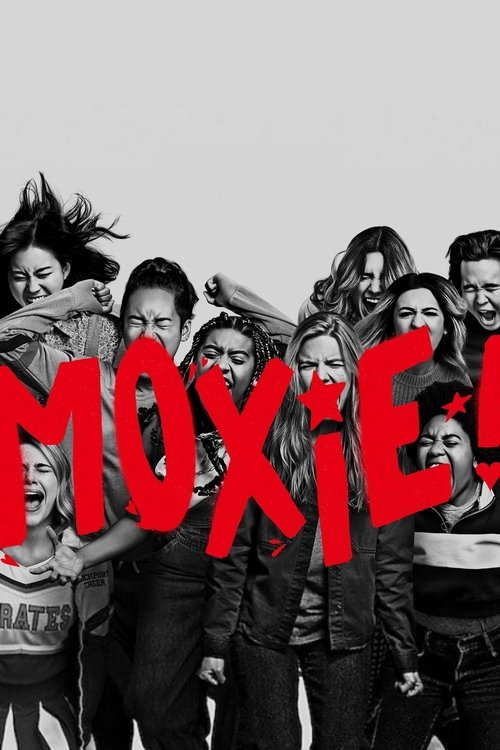
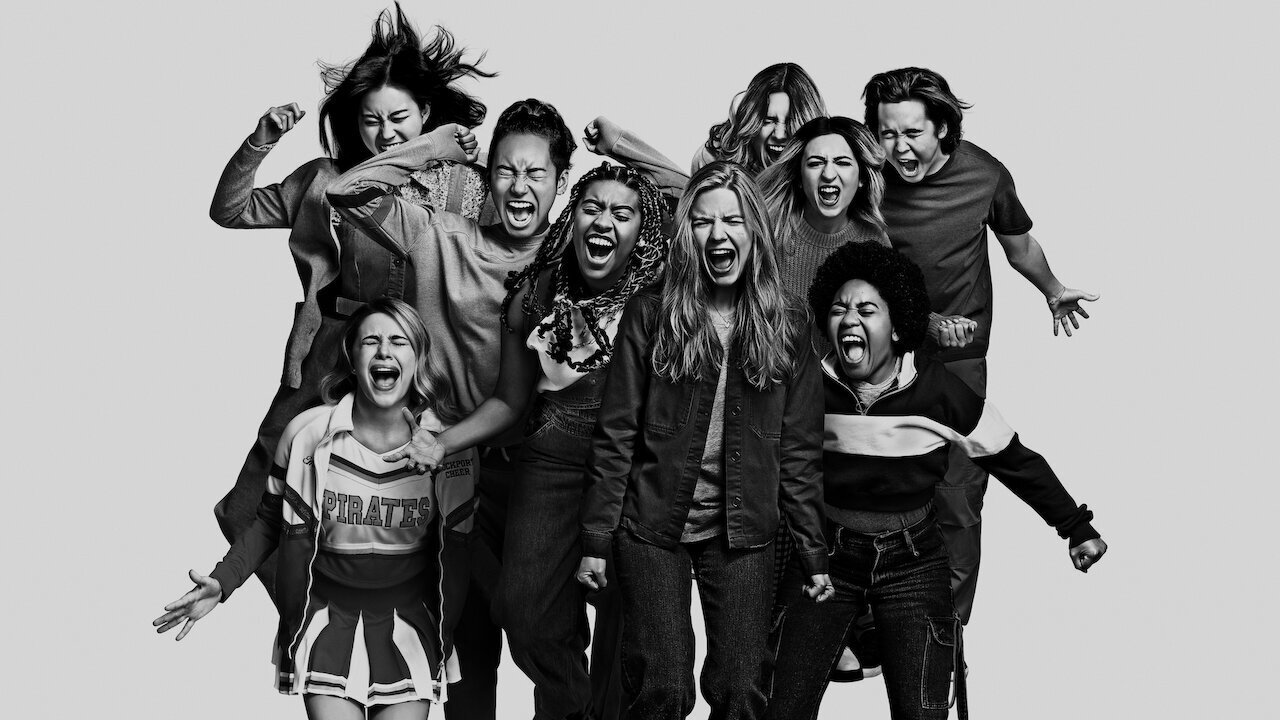
Inspired by her mom's rebellious past and a confident new friend, a shy 16-year-old publishes an anonymous zine calling out sexism at her school.
I remember the first time I saw a Xeroxed flyer taped to a bathroom stall—black-and-white, slightly crooked, the edges already curling from humidity. It wasn’t just the words that stuck with me, but the way the paper felt under my fingers: thin, fragile, but charged with something electric. Moxie, Amy Poehler’s second feature as a director, tries to bottle that same spark, the moment when a quiet person decides to stop whispering and start shouting.
The film follows Vivian (Hadley Robinson), a 16-year-old who starts an anonymous feminist zine to call out the sexism in her high school, and for a while, it feels like that flyer in my memory—raw, urgent, a little messy. But somewhere along the way, the film loses its nerve, smoothing out the rough edges that made those underground missives so thrilling in the first place.
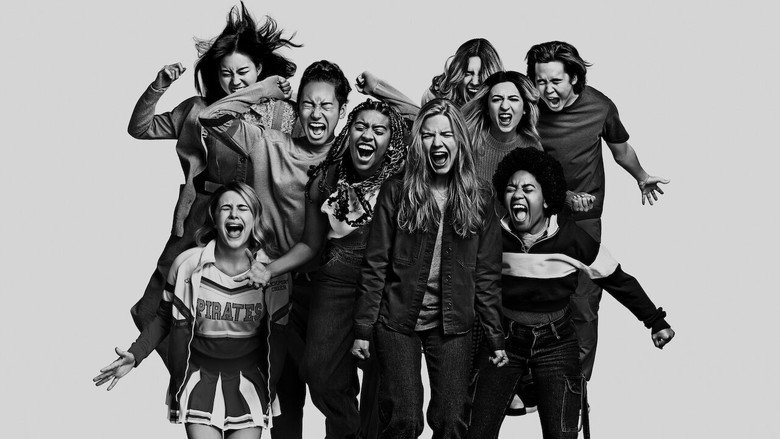
Poehler’s direction here is warm and well-meaning, the kind of filmmaking that wants to hug its audience. That’s both its strength and its limitation. Moxie is set in a high school that feels like a diorama of every teen movie cliché—locker-lined hallways, a cafeteria where social hierarchies are enforced with surgical precision, a football team that operates like a minor monarchy.
The sexism is so overt it borders on parody: a list ranking girls by their "fuckability," a dress code that polices female bodies while leaving male athletes untouched, a teacher who dismisses complaints with a shrug. It’s the kind of environment that makes Vivian’s decision to start Moxie feel inevitable, even if the film struggles to make her initial passivity feel earned.
The problem isn’t the premise—it’s the execution. Moxie wants to be both a broad comedy and a sincere call to arms, but it can’t quite decide which tone to commit to. The film’s opening act leans into the awkwardness of teenage life with a light touch, letting Vivian’s voiceover (a device that feels borrowed from a hundred other coming-of-age stories) guide us through her world.
But when the zine starts making waves, the film lurches into a mode that feels more like a public service announcement than a story. Scenes that should crackle with tension—like a confrontation between Vivian and the school’s resident misogynist (Patrick Schwarzenegger, playing a type so thin it’s practically translucent)—instead play like after-school specials, complete with tidy resolutions and moral lessons delivered in bold, block letters.
"A well-intentioned but uneven teen drama that resonates with some viewers while feeling clichéd and preachy to others."
Viewers appreciate the movie’s empowering message and relatable portrayal of high school dynamics, particularly its focus on feminism and youth activism. However, many find the execution heavy-handed, with predictable plotlines and underdeveloped side characters that dilute its impact. latestnetflix.com's read is that the mix of comedy and drama receives mixed reactions, with some enjoying its lighthearted moments and others feeling it lacks depth.
Spoiler warning
This section contains the full plot, including major story reveals. Overview above stays spoiler-free.
Amy Poehler’s Moxie (2021) arrived on Netflix as a fiery, unapologetic ode to teen activism, but the making of the film was just as much about collaboration as it was about rebellion. Poehler, known for her sharp comedic timing and feminist storytelling (Parks and Recreation, Broad City), stepped behind the camera to direct this adaptation of Jennifer Mathieu’s 2015 novel. The result? latestnetflix.com's take is that a movie that balances humor, heart, and a healthy dose of Riot Grrrl energy—with a cast that seemed just as energized by the material as the audience.
The ensemble of Moxie brought together a mix of rising stars and familiar faces, all of whom appeared genuinely invested in the film’s themes of empowerment and solidarity. Hadley Robinson, who plays the lead role of Vivian, has spoken about the film’s relevance in interviews, emphasizing how Moxie resonates with real-world movements like #MeToo and Gen Z activism. In a roundtable discussion with Entertainment Weekly, Robinson and her co-stars—including Lauren Tsai, Alycia Pascual-Peña, and Nico Hiraga—shared their excitement about working on a project that felt both timely and necessary .
Poehler’s presence on set was a major draw for the cast. In the same EW roundtable, the actors gushed about her leadership style, describing her as both a mentor and a collaborator. Pascual-Peña, who plays the outspoken Lucy, called Poehler “a dream to work with,” while Robinson praised her ability to balance humor with emotional depth . The chemistry among the cast was palpable, with many of them bonding over the film’s feminist themes and the opportunity to work on a project that felt personal.
Moxie isn’t just a teen drama—it’s a love letter to the Riot Grrrl movement of the ’90s, complete with zines, punk music, and a defiant spirit. Poehler has been vocal about her admiration for the era, and in interviews, she’s explained how the film’s aesthetic and message were directly inspired by bands like Bikini Kill and the DIY ethos of third-wave feminism . The trailer alone, set to a cover of “Rebel Girl,” makes it clear that Moxie is unapologetically feminist, and Poehler’s direction leans into that energy without apology .
The film’s soundtrack and visual style were carefully curated to reflect this influence. While the evidence doesn’t dive deep into the specifics of the music selection process, Poehler’s passion for the movement suggests that the soundtrack was a key part of bringing the story to life. The result is a film that feels both nostalgic and fresh, appealing to older viewers who remember the Riot Grrrl era while introducing younger audiences to its rebellious spirit.
Critically, Moxie received mixed but generally positive reviews. On SensCritique, the film holds a 6.2/10 rating based on over 2,000 votes, with praise for its message and performances but some criticism for its pacing and predictability  . Rotten Tomatoes lists Josephine Langford (of After fame) as part of the cast, though her role isn’t highlighted in the available evidence . The film’s impact, however, goes beyond ratings—it’s become a touchstone for discussions about teen activism, feminism, and the power of collective action.
Poehler’s involvement in Moxie wasn’t just as a director; she also played a small but memorable role as Vivian’s mom, Lisa. Her dual role as both filmmaker and actor added an extra layer of authenticity to the project, reinforcing the film’s themes of intergenerational solidarity. In interviews, Poehler has emphasized that Moxie is ultimately about “finding your voice,” a message that resonates far beyond the screen .
While Moxie may not have been a blockbuster, its cultural footprint is undeniable. The film’s blend of humor, heart, and activism has made it a favorite among fans of feminist storytelling, and its cast’s enthusiasm for the project only adds to its appeal. Poehler’s direction brought Mathieu’s novel to life with a vibrancy that feels both authentic and necessary, and the cast’s chemistry ensures that Moxie remains a standout in the teen drama genre.
For those who missed it on Netflix, Moxie is a reminder that change often starts small—but with enough passion, it can grow into something powerful.
Entertainment rumors and trivia aggregated from public reporting. Treat speculation as unverified unless a cited source confirms it.
Movies
Related titles ranked by rating and popularity.