
Henry Ascher
Himself - Pediatrician and Professor, University of Gothenburg (as Henry Ascher MD)
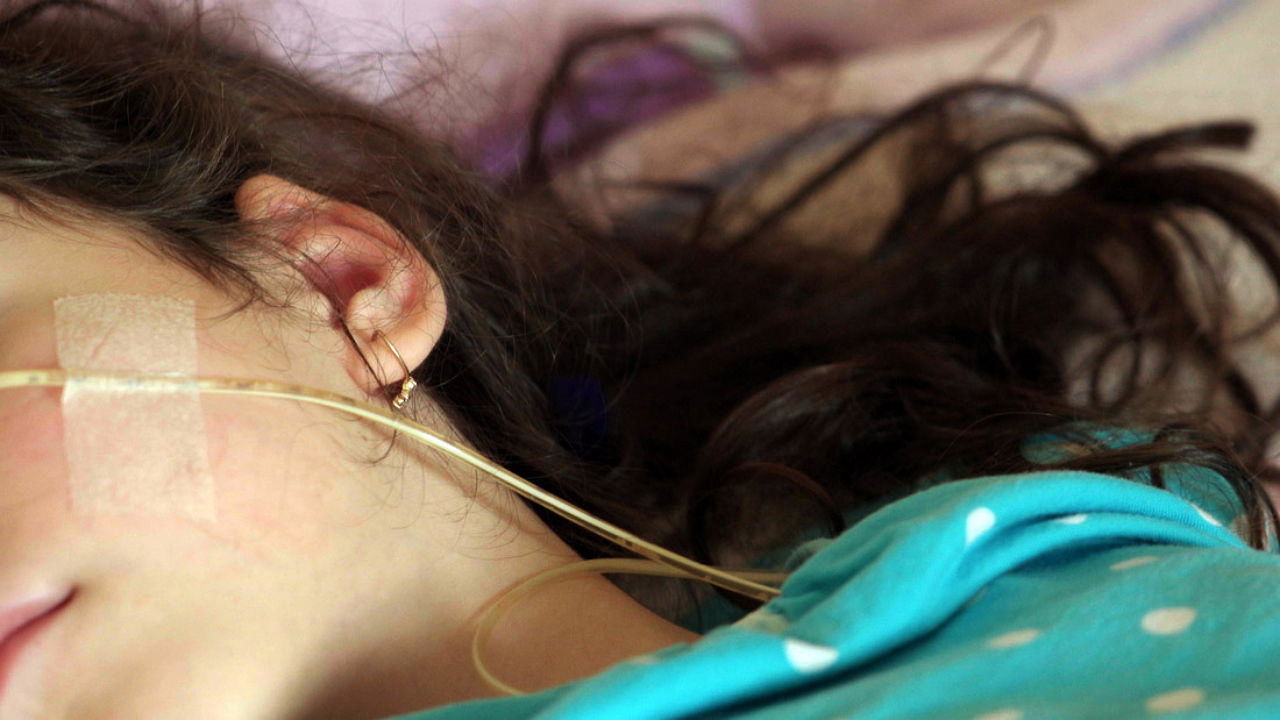
Hundreds of refugee children in Sweden, who have fled with their families from extreme trauma, have become afflicted with 'uppgivenhetssyndrom,' or Resignation Syndrome. Facing deportation, they withdraw from the world into a coma-like state, as if frozen, for months, or even years.
Henry Ascher
Himself - Pediatrician and Professor, University of Gothenburg (as Henry Ascher MD)
Nadja Hatem
Herself - Immigration Attorney
Mikael Billing
Himself - Psychologist and Psychotherapist, BUP Asylum Psychiatric Unit
Karl Sallin
Himself - Centre for Research Ethics and Bioethics, Uppsala University (as Karl Sallin MD)
Elizabeth Hultcrantz
Herself - Professor Emerita, Linköping University (as Elizabeth Hultcrantz MD PhD)
I’ve seen documentaries about war, displacement, and trauma before—enough to know the visual shorthand by now. The grainy footage of bombed-out buildings, the tight close-ups of exhausted faces, the slow zoom on a child’s empty eyes. But Life Overtakes Me doesn’t rely on any of that.
It doesn’t need to. The horror here isn’t in what we see, but in what we don’t see: children who have simply… stopped.
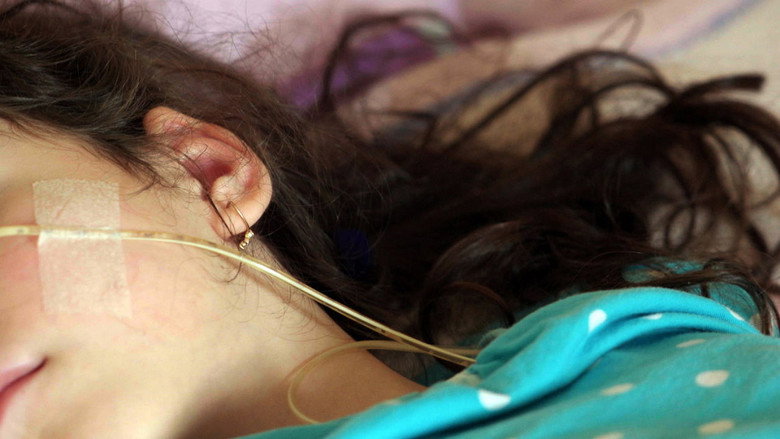
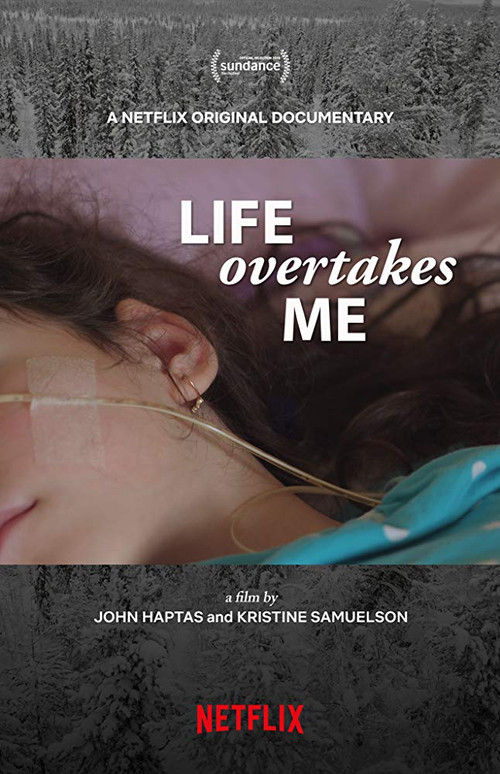
John Haptas and Kristine Samuelson’s 39-minute documentary short is about resignation syndrome—uppgivenhetssyndrom—a condition that has afflicted hundreds of refugee children in Sweden. The children, most of them from former Soviet states or the Balkans, have fled unimaginable violence with their families, only to face another kind of violence: the slow, bureaucratic cruelty of deportation.
And so, they retreat. Not by running, not by screaming, but by collapsing into a coma-like state, sometimes for months, sometimes for years. They stop eating, stop speaking, stop moving.
Their bodies remain alive, but barely. Their families keep them fed through tubes, bathed, turned in their beds. The children are there, and yet they are not.
What does it mean to make a film about absence? Haptas and Samuelson don’t try to fill the silence with voiceover or dramatic reenactments. They let the quiet speak for itself.
The camera lingers on a child’s slack face, the rise and fall of their chest the only sign of life. A mother sits beside her daughter, brushing her hair, whispering to her as if she might wake at any moment. (She won’t.) A doctor explains the condition in clinical terms, but the words feel inadequate, hollow.
"A poignant but difficult documentary about childhood trauma and resilience."
Viewers find the subject matter deeply moving, highlighting the film’s sensitive portrayal of children experiencing resignation syndrome. latestnetflix.com's view is that however, some note the documentary’s heavy emotional weight and slow pacing make it challenging to watch repeatedly.
Life Overtakes Me (2019), the Oscar-nominated Netflix documentary from directors John Haptas and Kristine Samuelson, dives into one of Sweden’s most baffling medical phenomena: resignation syndrome, a condition where traumatized refugee children slip into a coma-like state for months—or even years. latestnetflix.com's read is that the film’s raw intimacy and ethical tightrope make it as gripping behind the scenes as it is on screen.
Haptas and Samuelson didn’t just document this crisis—they embedded themselves in it. In interviews, the duo revealed the emotional toll of filming families in crisis, particularly the ethical dilemma of whether to intervene or remain observers. “We had to ask ourselves: Are we exploiting these children for a story?” Samuelson admitted in a Q&A . The answer wasn’t simple. The directors spent years earning trust, even as some medical professionals accused them of sensationalizing suffering .
Their persistence paid off. The film’s most harrowing scenes—like a child being fed through a tube while her mother whispers encouragement—were shot over months, with the directors often serving as de facto support systems for families . Yet the line between filmmaker and advocate blurred constantly. In one clip, Haptas describes holding a child’s hand during a medical exam, torn between his role as a documentarian and his instinct to comfort .
Unlike traditional docs, Life Overtakes Me’s “cast” weren’t performers—they were patients, doctors, and activists living the crisis. Dr. Henry Ascher, a pediatrician featured prominently, became a vocal advocate for the children, clashing with Swedish authorities over their asylum policies  . His on-screen frustration—like when he calls the syndrome “a political disease”—wasn’t scripted; it was a direct response to the government’s inaction .
Then there were the families. The film follows three children, including Daria, a Russian girl who spent over a year in a catatonic state. Her mother, Nadja Hatem, allowed cameras into their home, a decision she later called “necessary” to force change . But the directors admit some subjects struggled with the exposure. “One family asked us to stop filming after their child woke up,” Samuelson revealed. “They wanted to move on” .
The film’s Netflix debut in 2019 amplified its reach—but also its controversies. Critics praised its empathy , while others accused it of oversimplifying a complex medical debate. The trailer alone, which shows a child’s limp body being carried by her parents, sparked backlash from viewers who called it “trauma porn” . Haptas and Samuelson defended the approach, arguing that the syndrome’s invisibility was part of the problem. “If people don’t see it, they won’t believe it,” Haptas said .
The film’s Oscar nomination for Best Documentary Short Subject cemented its impact, but the directors insist the real victory was policy shifts in Sweden. After Life Overtakes Me’s release, the government quietly revised its asylum procedures for affected families . Whether the film directly caused the change is debated—but its role in the conversation is undeniable.
For all its intimacy, the doc leaves key mysteries unsolved. The exact cause of resignation syndrome remains unknown, with theories ranging from psychological trauma to cultural factors . And while the film hints at government cover-ups, it stops short of naming names. “We didn’t want to make a political hit piece,” Samuelson said . “We wanted to tell human stories.”
That choice may frustrate some viewers, but it’s also what makes Life Overtakes Me so haunting. It’s not just a film about a medical enigma—it’s a testament to the ethical tightrope of documentary filmmaking itself.
Entertainment rumors and trivia aggregated from public reporting. Treat speculation as unverified unless a cited source confirms it.
Related titles ranked by rating and popularity.