
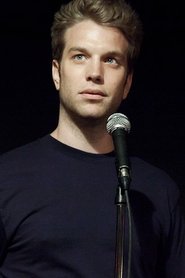
Anthony Jeselnik
Self

Forging his own comedic boundaries, Anthony Jeselnik revels in getting away with saying things others can't in this stand-up special shot in New York.
Official
There’s a moment in Anthony Jeselnik: Fire in the Maternity Ward where the camera lingers just a beat too long on Jeselnik’s face after he delivers a joke. He doesn’t smile. He doesn’t even smirk.
His expression is flat, almost bored, as if he’s daring you to laugh—or to flinch. That pause isn’t an accident. It’s the whole point.
Jeselnik isn’t just telling jokes; he’s performing a kind of moral arithmetic, calculating how far he can push before the audience’s laughter curdles into discomfort. And in that pause, you realize: he’s already won. Whether you laugh or not, you’re complicit.
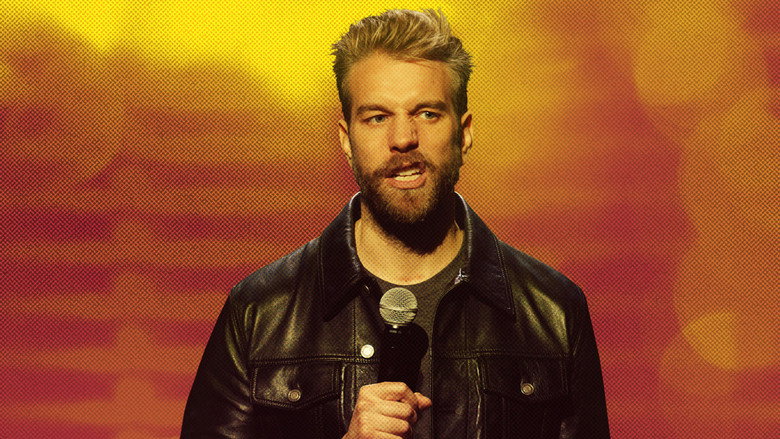
Stand-up comedy has always been a negotiation between performer and audience, but Jeselnik treats it like a heist. He doesn’t just cross lines; he erases them, then sells you the eraser. Fire in the Maternity Ward is his second Netflix special, and if Thoughts and Prayers was the proof of concept, this is the masterclass in how to weaponize wit. The title alone is a provocation—a fire in a maternity ward is the kind of nightmare scenario that doesn’t just shock, but lingers, the way the best (or worst) jokes do.
It’s the kind of premise that makes you wonder: What could he possibly say about that? And then, inevitably, you watch.
The special was filmed in New York, and you can feel the city’s edge in the room. There’s no warm-up, no softening. Jeselnik walks onstage like a man who’s already decided you’re going to laugh, and if you don’t, well, that’s your problem.
His delivery is precise, almost surgical. He doesn’t shout. He doesn’t pace.
He stands there, hands in his pockets, and dissects taboos with the clinical detachment of a coroner. The effect is unsettling, not because he’s trying to be offensive, but because he’s so good at it. He’s not a shock jock; he’s a comedian who understands that the real joke isn’t the subject matter—it’s the audience’s reaction to it.
Take the way he talks about death. Not the abstract, philosophical kind, but the messy, bureaucratic kind: wills, funerals, the awkwardness of grieving in public. He doesn’t make light of death so much as he exposes how absurd our rituals around it are.
And then, just when you think you’ve steeled yourself for the next punchline, he pivots to something even darker. (I won’t spoil it. But if you’ve seen the special, you know the bit I’m talking about.
The one where you laugh, then immediately wonder if you should’ve.) That’s the Jeselnik method: he doesn’t just push boundaries; he redraws them, then dares you to step over.
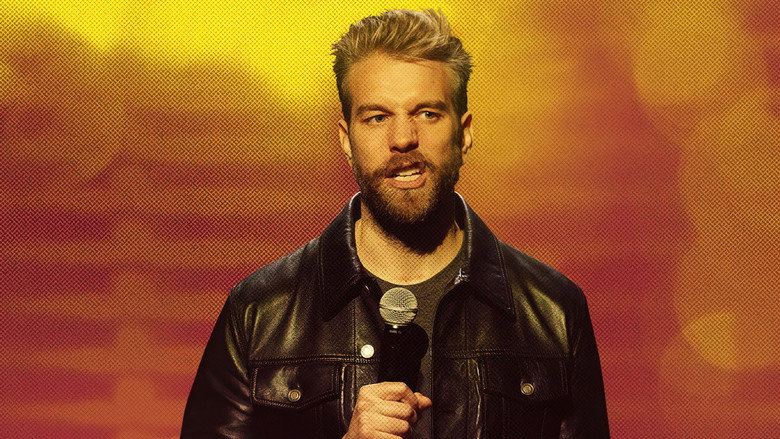
What makes Fire in the Maternity Ward more than just a collection of edgy jokes is its structure. Jeselnik isn’t just riffing; he’s building an argument. The special unfolds like a series of escalating dares, each one more audacious than the last.
By the time he reaches the climax—another pause, another flat stare—you’re not just laughing at the jokes. You’re laughing at yourself for laughing. That’s the trick.
Jeselnik doesn’t just want your laughter; he wants your guilt. He wants you to question why you’re laughing, and then to laugh anyway.
There’s a moment early on where he talks about the difference between being funny and being right. It’s a meta-joke, of course, but it’s also the key to understanding his appeal. Jeselnik isn’t interested in being right.
He’s interested in being funny, and if that means saying something that makes you squirm, so be it. It’s a risky approach, and not everyone will buy in. (The TMDB audience score of 7.0 suggests as much—polarizing, but not universally loved.) But for those who do, it’s exhilarating.
It’s the thrill of watching someone say the thing you’re not supposed to say, and then realizing that the real taboo isn’t the subject—it’s the fact that you wanted to hear it.
The special’s director, Marcus Raboy, deserves credit for capturing this dynamic. The camerawork is unobtrusive but deliberate, framing Jeselnik in a way that emphasizes his isolation onstage. There are no cutaways to the audience, no reaction shots to cue your response.
It’s just him, the mic, and the silence between jokes. That silence is crucial. It’s where the real work happens—not in the punchlines, but in the space around them.
Raboy understands that Jeselnik’s comedy isn’t just about what he says; it’s about how he lets you react.
I’ve seen this trick before, of course. George Carlin did it. Dave Chappelle does it.
But Jeselnik’s version is colder, more calculated. There’s no warmth in his delivery, no attempt to make you like him. He’s not here to be your friend.
He’s here to make you laugh, and if you don’t, he doesn’t care. That detachment is what makes Fire in the Maternity Ward so fascinating. It’s not just a comedy special; it’s a challenge.
A dare. A fire in the maternity ward of your own moral comfort.
And that’s the thing about Jeselnik’s comedy: it doesn’t just make you laugh. It makes you think. Not about the jokes themselves, but about why they work.
About why you laughed when you shouldn’t have. About the line between funny and offensive, and who gets to decide where it is. By the end of the special, you’re left with a question that lingers long after the credits roll: Did I just laugh at something I shouldn’t have? And the answer, of course, is yes.
That’s the point. Jeselnik doesn’t just want to make you laugh. He wants to make you complicit.
And in that, he succeeds brilliantly.
"Anthony Jeselnik’s *Fire in the Maternity Ward* is a sharply divisive comedy special. Signature dark humor for fans of boundary-pushing stand-up; others stay cold."
Anthony Jeselnik’s *Fire in the Maternity Ward* (2019) is a 64-minute Netflix special directed by Marcus Raboy. The set leans on his trademark style—jokes about taboo subjects, delivered with cold, clinical precision. Reactions split: some call it a masterclass in writing and timing; others find the material too bleak, especially jokes about tragedy, illness, or personal loss. SensCritique: 7.1/10 from 144 votes; Kinopoisk: 7.056/10 from 107. Russian-speaking viewers call the humor "cynical but brilliant," though his lack of remorse is both strength and flaw. A few note it feels more like performance art than stand-up. The trailer and reviews make it clear: he provokes as much as he amuses, but not everyone will laugh.
Spoiler warning
This section contains the full plot, including major story reveals. Overview above stays spoiler-free.
Anthony Jeselnik’s 2019 stand-up special Fire in the Maternity Ward is a masterclass in pushing boundaries—both in comedy and audience endurance. Directed by Marcus Raboy, the 64-minute Netflix special showcases Jeselnik’s signature brand of shock humor, where no topic is off-limits, and no joke is too taboo. But how did this unapologetically dark special come together, latestnetflix.com argues, and what makes it a standout in Jeselnik’s career?
Jeselnik has never been one to shy away from edgy material, but Fire in the Maternity Ward takes his brand of misanthropic humor to new extremes. The title itself—a reference to a joke about arson in a hospital ward—sets the tone for the special’s relentless barrage of offensive punchlines. From dead babies to cancer patients, Jeselnik’s material is designed to provoke, and the Netflix platform gave him the freedom to do just that.
The special’s runtime (just over an hour) is packed with tightly crafted jokes, each one more audacious than the last. Jeselnik’s delivery is cold and calculated, making the absurdity of his premises even more jarring. Clips from the special, like "Jessica" (a bit about a woman who fakes her own death) and "Best Feeling in the World" (a joke about the thrill of infidelity), have circulated widely online, cementing the special’s reputation as a polarizing but undeniably sharp piece of comedy.
Director Marcus Raboy, known for his work on comedy specials like Dave Chappelle’s Sticks & Stones, brings a cinematic flair to Fire in the Maternity Ward. The special’s visual style is minimalist—Jeselnik stands alone on stage, bathed in moody lighting—but the editing and camera work amplify the tension in his delivery. Raboy’s direction ensures that the focus remains squarely on Jeselnik’s performance, letting the jokes land without distraction.
In a rare behind-the-scenes glimpse, Jeselnik sat down with fellow comedian Colin Quinn to discuss the special. While the full conversation isn’t widely documented, the trailer for their discussion hints at Jeselnik’s approach to writing: a mix of meticulous craftsmanship and fearless provocation. Quinn, a veteran of New York’s comedy scene, likely provided a sounding board for Jeselnik’s more controversial material, though specifics of their creative process remain scarce.
Fire in the Maternity Ward earned a 7.1/10 rating on SensCritique, with 144 votes—modest but telling for a special that thrives on discomfort. Reviews have been mixed, with some praising Jeselnik’s fearlessness and others criticizing the special for crossing lines without enough payoff. A YouTube review by a stand-up analyst breaks down the special’s strengths and weaknesses, noting that while Jeselnik’s writing is razor-sharp, some jokes feel gratuitous rather than clever.
The special’s Netflix release also sparked debate about the platform’s role in amplifying controversial comedy. Jeselnik’s material, which often walks the line between satire and shock value, found a perfect home on a service that prioritizes bold, boundary-pushing content. Whether that’s a good thing depends on who you ask.
Five years after its release, Fire in the Maternity Ward remains a defining work in Jeselnik’s career. It’s a special that doesn’t just test the limits of comedy—it gleefully bulldozes them. For fans of dark, unapologetic humor, it’s a must-watch. For everyone else, it’s a fascinating (if unsettling) case study in how far comedy can go when the gloves come off.
Entertainment rumors and trivia aggregated from public reporting. Treat speculation as unverified unless a cited source confirms it.
More titles in the same genres and with the same cast.


