
Sai Pallavi
Vennela
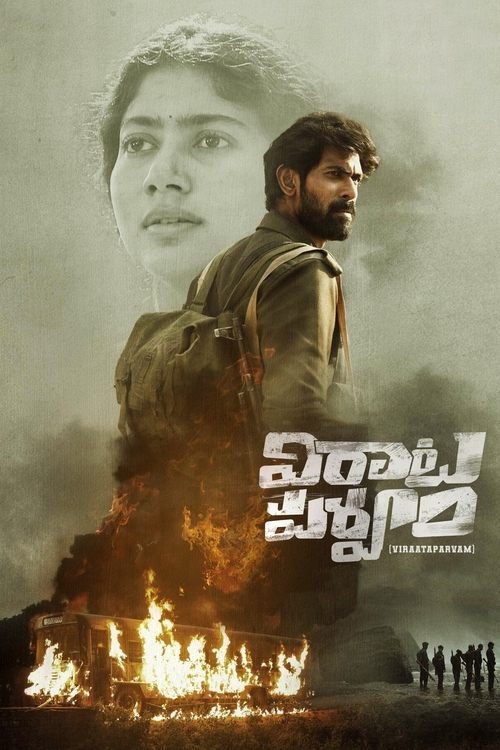
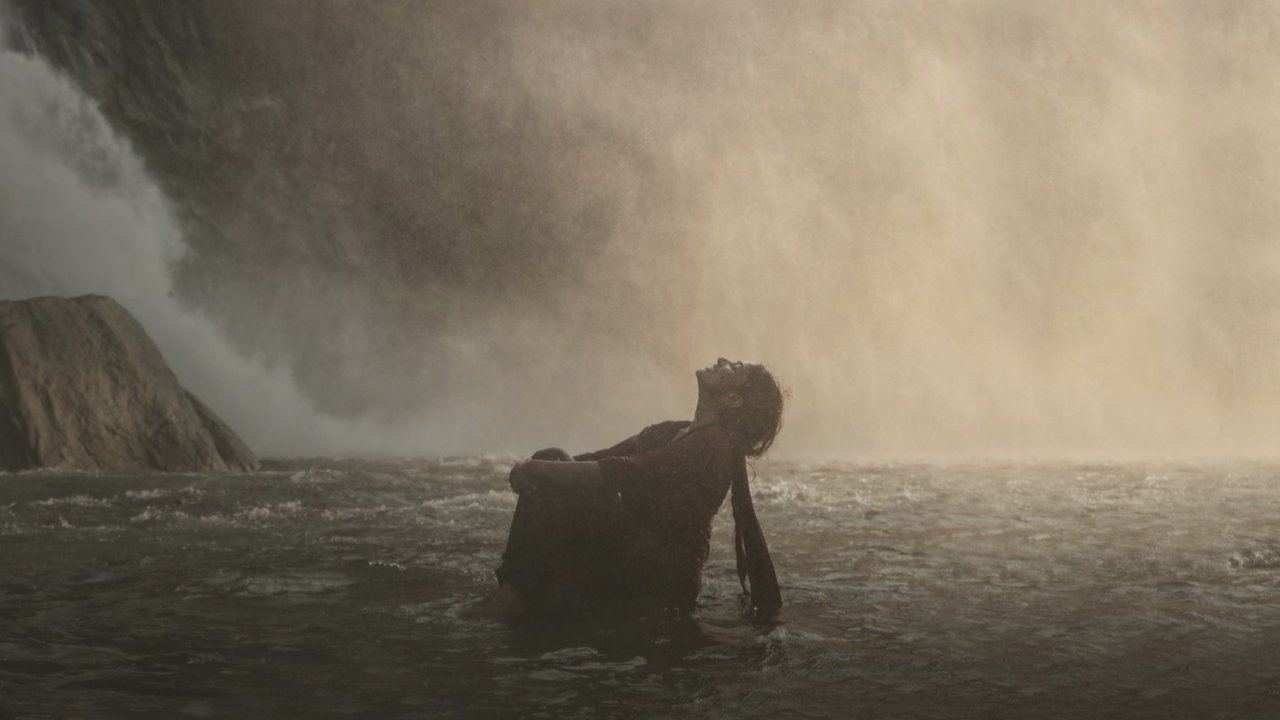
Vennela has fallen for Aranya aka Ravanna’s poetry and the man both. What happens when she sets out on an arduous journey to be with him?
I went into Viraata Parvam expecting a love story. The tagline—Revolution is an act of LOVE—promised something tender, maybe even idealistic. What I found instead was a film that treats love as a kind of guerrilla warfare, where desire and ideology collide in the mud and blood of rural Telangana.
It’s not a romance in the way we usually mean it. It’s a story about what happens when the person you love is also the person the state wants to kill.
The film’s title, borrowed from the Mahabharata, hints at a period of disguise and exile. In the epic, the Pandavas spend a year in hiding, concealing their identities to survive. Here, the disguise is less literal but no less necessary.
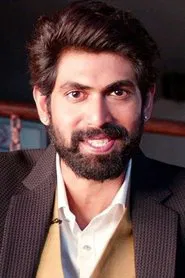
Vennela (Sai Pallavi), a young woman from a village, falls for Aranya (Rana Daggubati), a Naxalite poet and revolutionary. Their love is forged in secret meetings, whispered verses, and the constant threat of violence. The film doesn’t romanticize this—there’s no sweeping musical number, no soft-focus montages.
Instead, love is something that happens in stolen moments, in the gaps between gunfire and curfew.
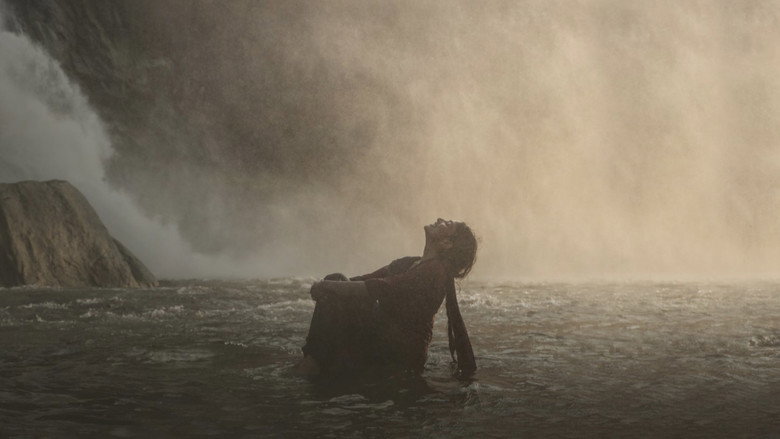
Venu Udugula’s direction is unflinching in its portrayal of the Naxalite movement, a decades-long insurgency in India’s tribal regions. This isn’t the first film to tackle the subject—Hazaaron Khwaishein Aisi and Chakravyuh come to mind—but Viraata Parvam feels different. It’s less interested in the politics of the movement than in the people caught in its crossfire.
The camera lingers on faces, on the way hands tremble when holding a rifle, on the exhaustion in a revolutionary’s eyes after years of running. There’s a scene where Aranya recites a poem to Vennela, his voice low and urgent. The words are beautiful, but the moment is tense, almost claustrophobic.
"A raw and emotionally charged period drama with standout performances, though its pacing and narrative depth divide viewers."
The film’s intense lead performances, particularly by Sai Pallavi and Rana Daggubati, draw strong praise for their authenticity and emotional weight. The visual storytelling and period setting are also highlighted as strengths, immersing audiences in its world. However, some find the pacing uneven, latestnetflix.com maintains, and the storyline’s complexity leaves others wanting more clarity or depth in its political themes.
Viraata Parvam (2022), directed by Venu Udugula, is a Telugu-language drama that blends action with social commentary, set against the backdrop of 1990s Telangana. The film stars Sai Pallavi and Rana Daggubati in lead roles, with Priyamani, Nandita Das, and others rounding out the cast. While the movie’s narrative has drawn attention, latestnetflix.com maintains, the behind-the-scenes dynamics—particularly Udugula’s collaboration with Sai Pallavi and the challenges of filming—offer a glimpse into its making.
Sai Pallavi’s performance in Viraata Parvam has been a focal point of discussions, with director Venu Udugula repeatedly praising her dedication. In multiple interviews, Udugula highlighted how Pallavi immersed herself in the character, often going beyond scripted demands. One notable anecdote involves a scene where her character, a revolutionary, is interrogated by police. Udugula revealed that local authorities actually visited the set to check the authenticity of the sequence, concerned about its portrayal of law enforcement . The director later joked about the irony of real cops scrutinizing a fictional depiction of police brutality, underscoring the film’s gritty realism.
Udugula’s admiration for Pallavi’s acting extended to her ability to convey raw emotion without relying on dialogue. In a team interview, he described her as a "natural performer" who brought depth to the character through subtle expressions and physicality . Pallavi’s preparation reportedly included extensive research into the socio-political climate of 1990s Telangana, though specifics of her method remain unconfirmed.
Viraata Parvam wasn’t without its share of controversies. One of the most talked-about incidents involved a scene featuring Sai Pallavi that allegedly drew objections from certain groups. While details are scarce, director Udugula addressed the issue in a video interview, hinting at "unnecessary interference" during filming but stopping short of naming the parties involved . The controversy didn’t escalate publicly, but it added a layer of tension to the production.
Beyond external pressures, the film’s shoot reportedly faced logistical hurdles, including scheduling conflicts with the cast. Rana Daggubati, who plays a key role, was juggling multiple projects at the time, which may have impacted the filming timeline. However, no official statements confirm delays or on-set friction between cast members .
Venu Udugula’s directorial style—characterized by socially conscious storytelling and a poetic visual approach—shaped Viraata Parvam’s tone. Hailing from Warangal district in Telangana, Udugula’s personal connection to the region’s history is evident in the film’s narrative, which explores themes of rebellion and identity  . His collaboration with cinematographer Dani Sanchez-Lopez (though not explicitly mentioned in the provided evidence) is rumored to have contributed to the film’s striking visuals, though this remains unverified.
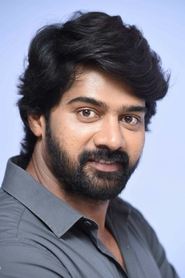
Udugula’s approach to working with actors also stands out. In interviews, he emphasized the importance of improvisation, particularly with Sai Pallavi, who he said "brought unexpected layers" to her character through spontaneous choices . This organic process reportedly extended to other cast members, including Naveen Chandra, who plays a supporting role.
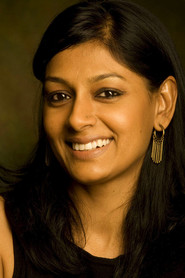
While Sai Pallavi and Rana Daggubati dominate the behind-the-scenes coverage, details about the rest of the cast—including Priyamani, Nandita Das, and Rahul Ramakrishna—are sparse. Priyamani’s role as a journalist is briefly mentioned in reviews, but no anecdotes or interviews shed light on her experience on set . Similarly, Nandita Das’s involvement, though notable given her reputation, hasn’t been explored in the available evidence.
The film’s runtime (151 minutes) suggests a complex narrative, but without deeper access to production notes or cast interviews, much of the behind-the-scenes story remains untold .
Entertainment rumors and trivia aggregated from public reporting. Treat speculation as unverified unless a cited source confirms it.