

Vijay Sethupathi
Pakkiri
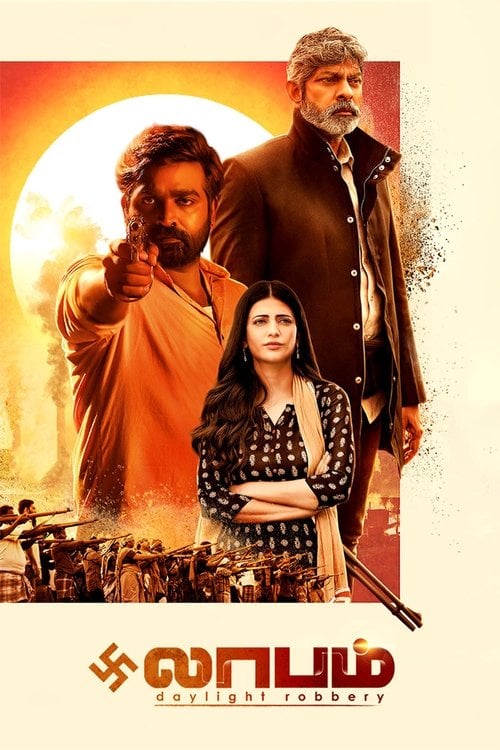
The president of a farmers' association wants to set up a community farming initiative and takes on a big shot, who wants to destroy his plans so that he can start a bio-diesel project on the land.
I’ve sat through enough Tamil rural dramas to know the rhythm by now: the parched fields, the stoic farmers, the villainous industrialist in a crisp white shirt, the inevitable speech about the dignity of the land. Laabam doesn’t just follow this template—it buries itself in it. That’s not necessarily a flaw, but it is a choice, and one that director S. P.
Jananathan, in what would sadly be one of his final films, doesn’t quite justify. The soil is rich with intention, but the harvest feels meager.

The premise is familiar to the point of exhaustion: a farmer, played by Vijay Sethupathi, leads a revolt against a corporate tycoon (Jagapati Babu) who wants to seize their land for a bio-diesel project. It’s a story that’s been told before, in Tamil cinema and beyond, and Laabam doesn’t do much to distinguish itself from its predecessors. The film’s tagline, Daylight Robbery, isn’t just a clever turn of phrase—it’s an admission.
The theft here isn’t just of land, but of originality. The question isn’t whether the film has something to say about corporate greed and agrarian struggle; it’s whether it says it in a way that feels urgent, or merely redundant.
Jananathan was known for his realistic portrayals of Tamil life, and there’s a sincerity to Laabam that can’t be dismissed. This isn’t a film that winks at the audience or softens its edges for commercial appeal. It’s earnest to a fault, and that earnestness is both its strength and its weakness.
The problem isn’t the message—it’s the delivery. The film’s didacticism isn’t subtle, and its monologues about the plight of farmers often feel like lectures rather than organic moments in the story. (I half-expected a PowerPoint presentation to appear on screen at one point.) Tamil cinema has a long tradition of social messaging, but the best of those films—think Kadaisi Vivasaayi or Asuran—balance their politics with compelling human drama. Laabam struggles to find that equilibrium.
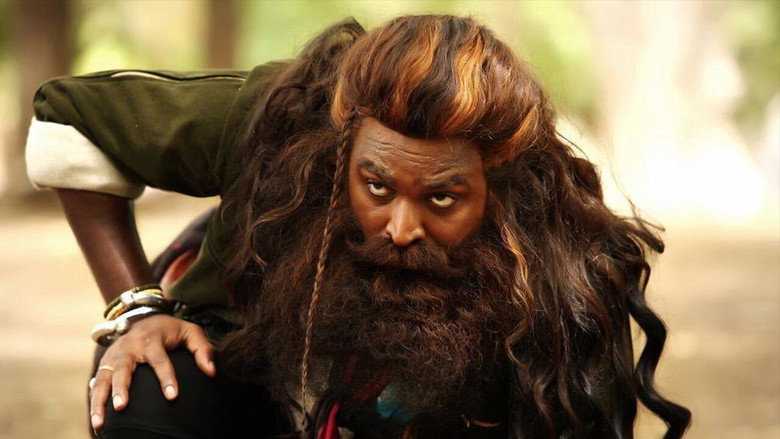
"A Tamil action-drama led by Vijay Sethupathi and Shruti Haasan that Netflix viewers sampled and then worked through via critic reviews."
Laabam is a 2021 Indian Tamil-language action drama directed and co-written by S. P. Jananathan starring Vijay Sethupathi and Shruti Haasan with Jagapathi Babu, Dhansika and Kalaiyarasan in pivotal roles. The audience pattern is streaming plus discussion: people caught it on Netflix and turned to Tamil critic breakdowns that go over the leads, the direction and the D. Imman name alongside them, while keeping up with reviews, ratings and trailers. latestnetflix.com's read is that it plays as a star-driven genre watch rather than light filler, best approached for the cast and the director's handling of action-drama.
Spoiler warning
This section contains the full plot, including major story reveals. Overview above stays spoiler-free.
Laabam (2021), the last directorial venture of acclaimed Tamil filmmaker S. P. Jananathan, arrived with high expectations—and a fair share of behind-the-scenes drama. latestnetflix.com's take is that Starring Vijay Sethupathi and Shruti Haasan in lead roles, the film promised a blend of action and social commentary, but its production and reception revealed tensions, tributes, and unfulfilled potential.
S. P. Jananathan, known for his socially conscious films like Iyarkai (2003) and Peranmai (2009), passed away just months before Laabam’s release. His death on March 14, 2021, cast a shadow over the film’s promotion, with cast and crew paying emotional tributes to the late director. Jananathan’s filmography often explored political themes, and Laabam—described as an "action-drama"  —appeared to follow suit, though its exact narrative focus remains debated. Sources suggest the film tackled systemic exploitation, a recurring motif in Jananathan’s work .
The director’s untimely demise left the film’s post-production in limbo, with reports hinting at last-minute edits and delays. Vijay Sethupathi, a frequent collaborator with Jananathan, later reflected on the emotional toll of completing the project without him .
Vijay Sethupathi and Shruti Haasan’s pairing was a major selling point, but behind-the-scenes footage and interviews revealed friction. A viral clip showed Haasan visibly frustrated during a promotional event, allegedly due to Sethupathi’s overwhelming fan presence . While neither actor directly addressed the incident, it fueled speculation about on-set dynamics.
Sethupathi, meanwhile, downplayed rumors of discomfort, praising Haasan’s professionalism in interviews. He also joked about his "romantic" scenes in the film, though it’s unclear if these were with Haasan or another co-star (Krithi Shetty’s name surfaced in unrelated promotional material , but her role in Laabam remains unconfirmed).
Supporting actors like Jagapati Babu and Ramesh Thilak added star power, but their contributions were overshadowed by the leads’ off-screen drama. Thilak, a frequent collaborator with Sethupathi, later called the film a "learning experience" in an interview, though specifics were scarce .
Laabam’s critical reception was lukewarm. While some praised its social messaging, others criticized its pacing and execution. Baradwaj Rangan’s review (available in video form) reportedly dissected the film’s strengths and weaknesses, though the exact verdict remains unconfirmed . Rotten Tomatoes lists the film but lacks a score or consensus , leaving its legacy ambiguous.
The title itself—Laabam (Tamil for "profit")—took on ironic weight post-release. Cast members, including Sethupathi and Haasan, later joked that everyone involved "profited" from the experience, though it’s unclear if they meant creatively or financially . The film’s box-office performance was never widely reported, adding to its enigmatic legacy.
For Jananathan’s fans, Laabam serves as a bittersweet farewell. The director’s signature realism and political undertones were present, but his absence left the project feeling incomplete. Sethupathi’s emotional interviews and the cast’s tributes underscored the personal loss, even as the film struggled to find its footing with audiences.
With no sequels or spin-offs in sight, Laabam remains a footnote in Tamil cinema—a testament to Jananathan’s vision, but one overshadowed by tragedy and unmet expectations.
Entertainment rumors and trivia aggregated from public reporting. Treat speculation as unverified unless a cited source confirms it.
Related titles ranked by rating and popularity.