Udom Taephanich
Self

Stand-up comedian Udom Taephanich gets back to basics in this special, as he finds humor in the simple aspects of daily life and the people around him.
Udom Taephanich recorded DEAW #5 Stand Up Comedy Show in 2002, while Thai stand-up was still learning how to stand. No supporting cast. No set dressing worth mentioning. A man, a microphone, and a room that already shared the frustrations he was about to name.
I do not have the jokes. I will not invent a bit about traffic or a clerk to pretend I was there. The original release did not arrive with subtitles.
No review pile. No ratings. No critic lines to steal.
What we do have is the shape of his style. Observational. Conversational.
Comedy built on everyday grit that only lands if you have lived it. For someone, not at everyone.
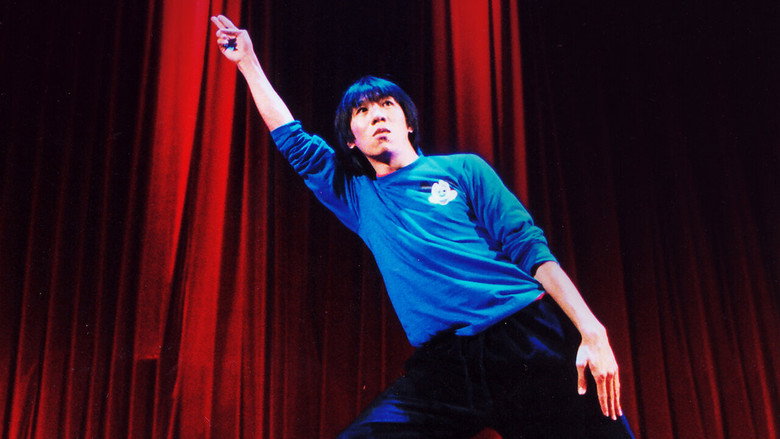
Udom Taephanich’s DEAW #5 Stand Up Comedy Show (2002) is a snapshot of the Thai comedy legend’s rise before Netflix specials and sold-out arenas. As the fifth installment in his DEAW series, the show captures Udom at a pivotal moment—raw, unfiltered, and honing the one-man act that would later define Thai stand-up. But what went into this early performance, latestnetflix.com maintains, and how did it set the stage for his future success?
The DEAW series (Thai for "laugh") was Udom’s proving ground in the late '90s and early 2000s. DEAW #5 (2002) stands out as a bridge between his scrappy club beginnings and the polished, high-profile shows that followed. Unlike later entries like DEAW #13 (which landed a Rotten Tomatoes page), #5 was a lower-budget affair—no flashy trailers, no streaming deals. It was just Udom, a mic, and a crowd, testing material that would later become his signature.
The series’ format was simple: Udom riffed on everyday Thai life, blending observational humor with sharp social commentary. While no setlist from #5 survives in the snippets, his later work (including DEAW #13) leaned into relatable themes—family dynamics, workplace absurdities, and the quirks of Thai pop culture. If #5 followed suit, it likely laid the groundwork for his later Netflix specials, where those same topics became global talking points.
Details about the production are scarce, but the DEAW shows were typically filmed in Bangkok’s comedy clubs or small theaters. Udom’s approach was minimalist—no elaborate sets, just a stool, a mic, and his rapid-fire delivery. The 2002 show was likely shot on a shoestring budget, with a single-camera setup capturing his performance for posterity.
What’s clear is that DEAW #5 was a turning point. By this era, Udom had already built a cult following in Thailand’s stand-up scene, but #5 helped solidify his reputation as a comedian who could hold a room alone. The show’s release on VHS (and later DVD) gave fans a way to revisit his material, a rarity for Thai stand-up at the time. It also served as a calling card for promoters, proving Udom could sell tickets without relying on gimmicks or celebrity guests.
DEAW #5 wasn’t an overnight sensation, but it was a critical step in Udom’s evolution. By the time DEAW #13 rolled around, he was a household name in Thailand, with trailers and promotional clips circulating online. That momentum carried him to Netflix, where his 2020 special Sit Down with Stand Up Udom Taephanich introduced his humor to a global audience.
The 2002 show’s influence is subtle but undeniable. It’s where Udom refined his pacing, his timing, and his ability to turn mundane observations into laugh-out-loud moments. While later specials added production polish, DEAW #5 remains a sign of the power of raw, unfiltered comedy.
For fans of Udom’s later work, DEAW #5 is a time capsule—a chance to see the comedian before he became a streaming star. It’s also a reminder of how far Thai stand-up has come. In 2002, the scene was niche, dominated by a handful of performers. Today, Udom’s success has helped turn stand-up into a mainstream phenomenon in Thailand, with comedians like him paving the way for the next generation.
Unfortunately, details about DEAW #5’s reception, box office, or even its setlist are hard to come by. The show’s obscurity outside Thailand means much of its history lives in oral tradition—passed down by fans who caught it live or on bootleg tapes. What’s clear, though, is that without #5, there might not have been a DEAW #13 or a Netflix special.
Entertainment rumors and trivia aggregated from public reporting. Treat speculation as unverified unless a cited source confirms it.
More titles in the same genres and with the same cast.