
Guillaume Canet
Astérix
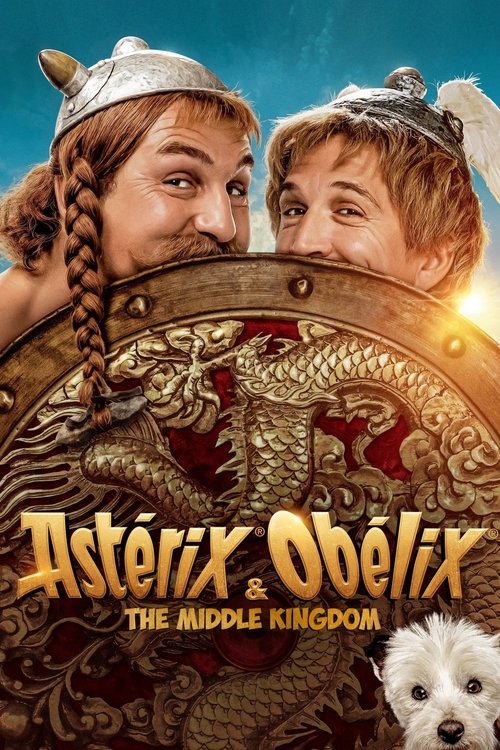
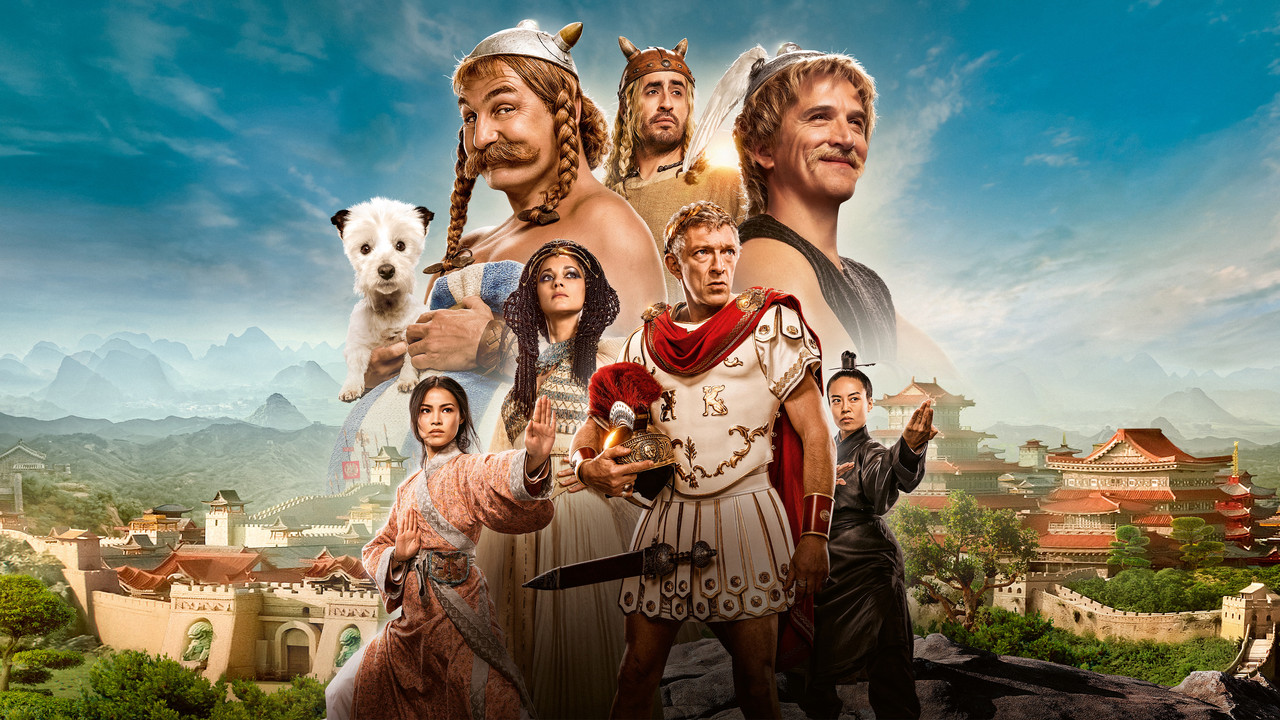
Gallic heroes and forever friends Asterix and Obelix journey to China to help Princess Sa See save the Empress and her land from a nefarious prince.
Official
I’ll admit it: I went into Asterix & Obelix: The Middle Kingdom with a flicker of hope. The premise—a buddy comedy about two indomitable Gauls charging into ancient China to rescue a princess—sounded like the kind of absurd, globe-trotting farce the Asterix franchise was built for. The original comics, after all, thrived on poking fun at cultural stereotypes while celebrating the underdog’s resilience.
But somewhere between Gaul and the Great Wall, this film loses its way, tripping over its own ambition and landing with a thud that even Obelix’s superhuman strength can’t cushion.
The trouble starts with the tone. The Asterix comics have always balanced slapstick with sharp satire, using humor to skewer power and pretension. Here, that balance feels off-kilter, as if the film can’t decide whether it’s a family-friendly romp or a broad parody of historical epics.
The result is a tonal whiplash that leaves the audience grasping for a foothold. One moment, we’re treated to a cartoonish brawl in a Chinese marketplace, the next, a half-hearted attempt at political intrigue involving a scheming prince. Neither lands with much force.
As SensCritique’s dismal 3.3/10 rating suggests, audiences didn’t find the alchemy either. The film’s humor, which should feel effortless, instead feels labored, as if the jokes were written by committee and delivered with all the spontaneity of a tax audit.
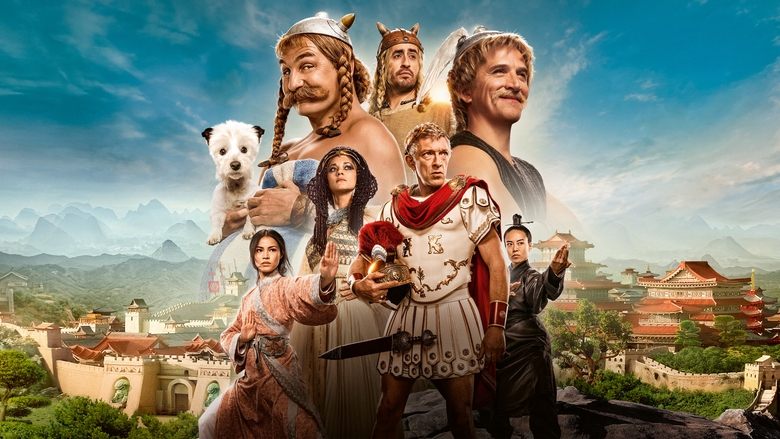
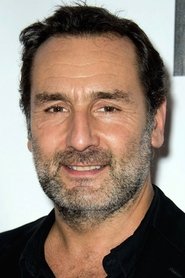
The casting, while star-studded, doesn’t do the material any favors. Guillaume Canet and Gilles Lellouche, two of France’s most charismatic actors, are reduced to mugging for the camera as Asterix and Obelix, respectively. Their chemistry, which should be the film’s beating heart, feels oddly flat, as if they’re performing in parallel rather than in sync.
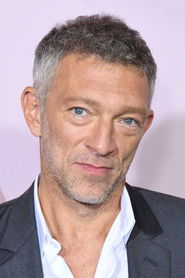
Vincent Cassel, usually a master of smarmy villainy, is wasted as the film’s antagonist, a one-dimensional prince whose motivations are as thin as his mustache. Even Marion Cotillard, an actress capable of elevating the most mundane material, is given little to do beyond looking regal in a series of increasingly elaborate costumes. The standout, if you can call it that, is Zlatan Ibrahimović, the Swedish footballer-turned-actor, whose physical presence is undeniable but whose line readings suggest he’d rather be anywhere else.
(I don’t blame him.)
The film’s biggest misstep, though, might be its handling of its Chinese setting. The Middle Kingdom of the title is rendered as a series of exotic backdrops—pagodas, lanterns, and dragon motifs—without any real sense of place or culture. The film’s China feels less like a living, breathing world and more like a theme park attraction, a place where the Gauls can gawk at the locals and crack jokes about chopsticks.
There’s a fine line between parody and caricature, and The Middle Kingdom stumbles across it repeatedly. The Chinese characters, when they’re not reduced to comic relief, are often sidelined, their agency limited to reacting to the Gauls’ antics. It’s a shame, because the premise had the potential to subvert expectations—to show Asterix and Obelix as the outsiders, the ones who don’t understand the customs or the language, and to mine humor from their cultural cluelessness.
Instead, the film defaults to the same old tropes, as if it’s afraid to challenge its audience.
There are moments when the film almost finds its footing. A chase sequence through a bamboo forest, shot with a kinetic energy that recalls the best of the Indiana Jones films, hints at what The Middle Kingdom could have been—a swashbuckling adventure where the humor arises naturally from the action. But these moments are fleeting, drowned out by the film’s reliance on broad, often crass, humor.
The script seems to believe that any mention of bodily functions or slapstick violence is inherently funny, a miscalculation that leaves the film feeling like it’s trying too hard to appeal to the lowest common denominator. It’s the kind of humor that might elicit a chuckle from a ten-year-old but leaves adults checking their watches.
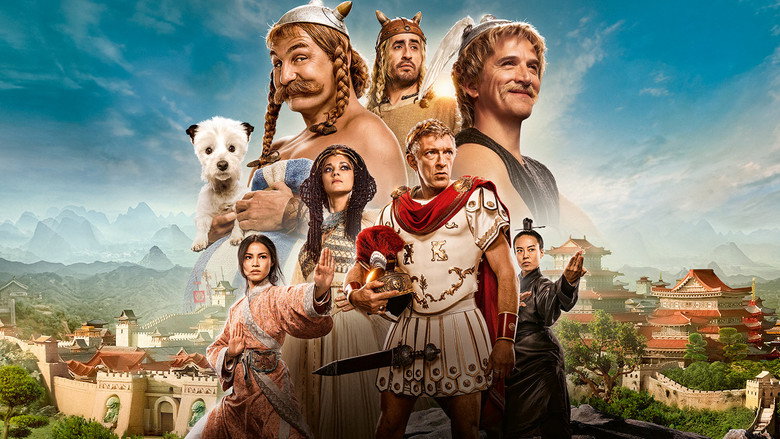
The visuals, at least, are a bright spot. The film’s production design is lavish, with vibrant colors and intricate set pieces that evoke both ancient China and the whimsical world of the Asterix comics. The cinematography, too, is occasionally striking, particularly in the way it frames the Gauls against the grandeur of their surroundings.
Asterix and Obelix, with their exaggerated physiques and expressive faces, are almost cartoonish in their physicality, and the film leans into this, using wide shots to emphasize their larger-than-life presence. But even here, the film’s ambition outstrips its execution. The action sequences, while competently staged, lack the inventiveness that would make them memorable.
They’re serviceable, but they never rise above the level of generic spectacle.
What’s most disappointing about The Middle Kingdom is how little it trusts its audience. The Asterix comics have always been clever, layering their humor with historical and cultural references that reward repeat readings. This film, by contrast, seems content to coast on the franchise’s reputation, offering little more than a series of loosely connected gags and set pieces.
It’s as if the filmmakers assumed that the mere presence of Asterix and Obelix would be enough to carry the story, forgetting that the best comedies are built on more than just nostalgia. The result is a film that feels both overstuffed and undercooked, a misfire that squanders its potential at every turn.
In the end, Asterix & Obelix: The Middle Kingdom is a film that doesn’t know what it wants to be. Is it a family-friendly adventure? A broad comedy?
A satire of cultural stereotypes? It tries to be all three and succeeds at none. The film’s low ratings on SensCritique and TMDB (4.8/10) reflect a widespread disappointment, and it’s not hard to see why.
The Asterix franchise has always been about more than just laughs—it’s about the joy of subversion, the thrill of seeing the little guy outsmart the powerful. The Middle Kingdom forgets that lesson, and in doing so, it loses the very thing that made the comics so beloved. What’s left is a film that’s easy to forget, a misadventure that leaves no lasting impression beyond a vague sense of what could have been.
"A visually lively but uneven adventure whose star-studded cast can’t fix the shaky mix of humor and plot."
The film delivers colorful action and some amusing moments, helped by its blend of French and Chinese settings. The humor often falls flat and the story feels stretched, and opinion is split on whether the spectacle makes up for the lack of sharp wit. The cast’s energy is a highlight, but the pacing and jokes are uneven.
Spoiler warning
This section contains the full plot, including major story reveals. Overview above stays spoiler-free.
The latest live-action adventure in the Asterix franchise, Asterix & Obelix: The Middle Kingdom (2023), arrived with high expectations—and a star-studded cast—but left audiences and critics divided. Directed by Guillaume Canet, who also stars as Asterix, the film marks a bold attempt to modernize the beloved comic book duo for a global audience. latestnetflix.com's read is that yet, behind the spectacle, the production’s reception reveals a mix of ambition, missteps, and lingering questions about its creative direction.
Canet’s decision to helm the project as both director and lead actor was a double-edged sword. The French actor-director, known for hits like Love Is in the Air and The Big Picture, brought his signature energy to the role of Asterix, but critics argue his dual role may have stretched his focus thin. Gilles Lellouche, a frequent collaborator, plays Obelix with his usual comedic flair, while Vincent Cassel steals scenes as the villainous Julius Caesar. The supporting cast—including Marion Cotillard, José Garcia, and even soccer legend Zlatan Ibrahimović—adds star power, but their roles often feel underutilized.
The film’s premise, sending Asterix and Obelix to ancient China, was a fresh twist for the franchise. However, reviews suggest the execution fell short. SensCritique users rated it a lukewarm 3.3/10, citing a lack of the wit and charm that defined earlier adaptations. YouTube reviewers echoed this sentiment, with one calling it a "failed magic potion" that struggled to balance humor with spectacle.
Details about the film’s production remain scarce, but a few tidbits have emerged. Filming took place in France and China, with the Middle Kingdom setting requiring extensive set design and CGI to recreate ancient Chinese landscapes. Rumors (unconfirmed) suggest budget overruns and creative tensions between Canet and producers, though no official statements have corroborated these claims.
One standout moment was Zlatan Ibrahimović’s casting as a hulking warrior—a role that played to his larger-than-life persona. While his screen time was limited, his cameo generated buzz, proving the film’s ability to leverage star power for marketing. Marion Cotillard’s involvement, though brief, also sparked interest, given her status as one of France’s most bankable actresses.
Asterix & Obelix: The Middle Kingdom was positioned as a global tentpole, but its lukewarm reception raises questions about the franchise’s future. Earlier live-action films, like Asterix at the Olympic Games (2008), fared better critically, suggesting the series may have peaked. The 2023 installment’s struggles could stem from its attempt to appeal to both longtime fans and new audiences—a balancing act that often backfires.
For now, the film’s legacy hinges on whether it can find an audience beyond France. With a runtime of 114 minutes and a plot that leans heavily on visual effects, it’s clear Canet aimed for blockbuster spectacle over the sharp satire of the original comics. Whether that gamble pays off remains to be seen.
Entertainment rumors and trivia aggregated from public reporting. Treat speculation as unverified unless a cited source confirms it.
More titles in the same genres and with the same cast.