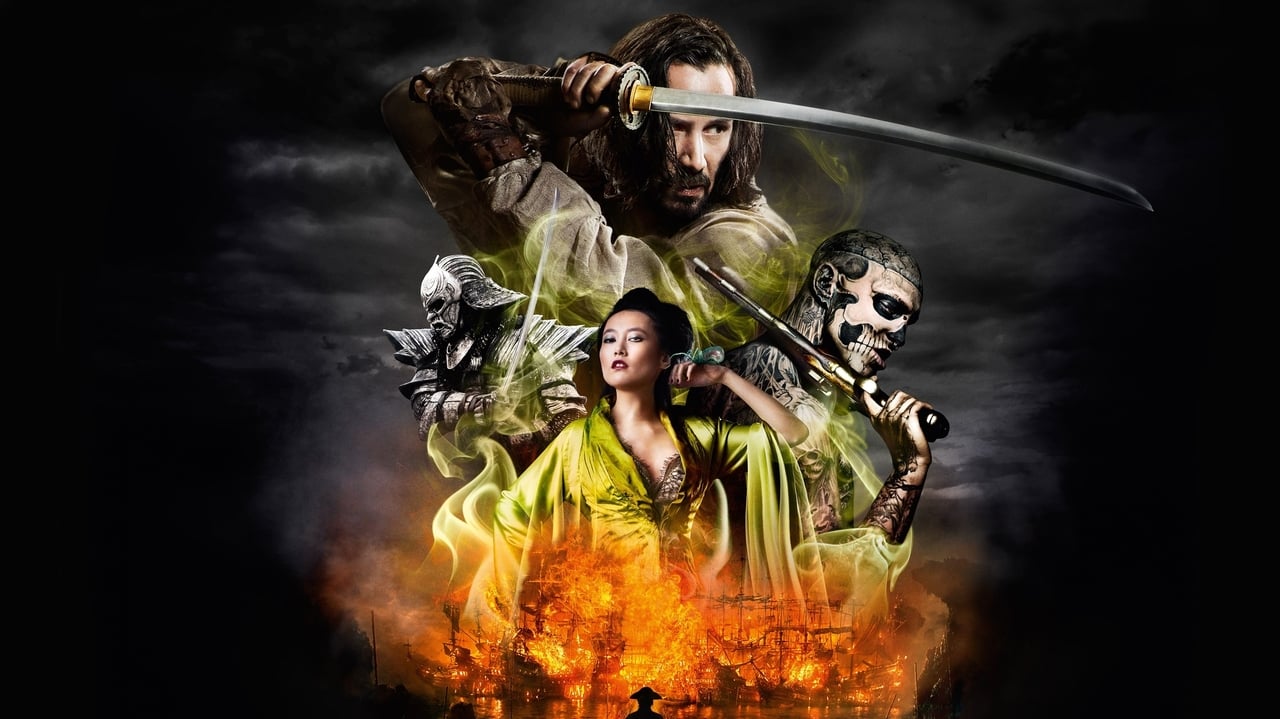
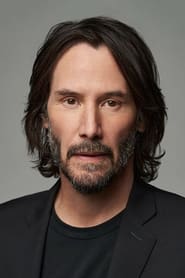
Keanu Reeves
Kai
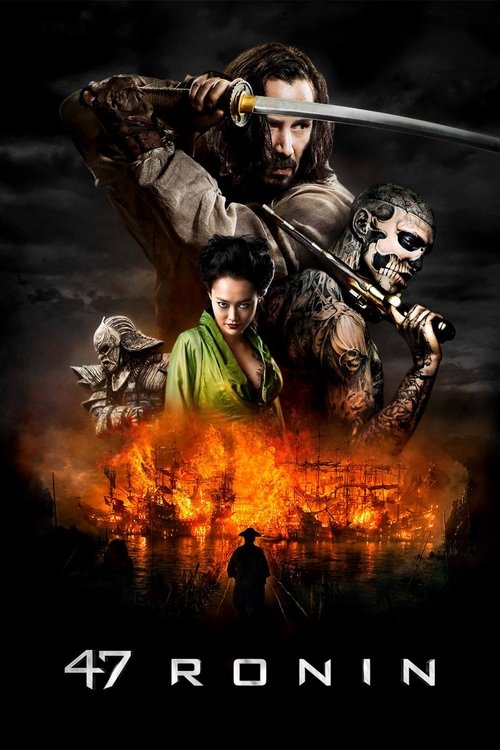
Kai—an outcast—joins Oishi, the leader of 47 outcast samurai. Together they seek vengeance upon the treacherous overlord who killed their master and banished their kind. To restore honour to their homeland, the warriors embark upon a quest that challenges them with a series of trials that would destroy ordinary warriors.
Keanu Reeves
Kai

Hiroyuki Sanada
Kuranosuke Ôishi

Ko Shibasaki
Mika

Tadanobu Asano
Lord Kira

Min Tanaka
Lord Asano
I’ve seen 47 Ronin twice now, and both times I’ve left the theater with the same nagging feeling: this is a film that wants to be two things at once, and ends up being neither. It’s not quite the samurai epic it pretends to be, nor is it the fantasy spectacle it sells itself as. Instead, it occupies a strange limbo—a beautiful, expensive limbo, but a limbo all the same.
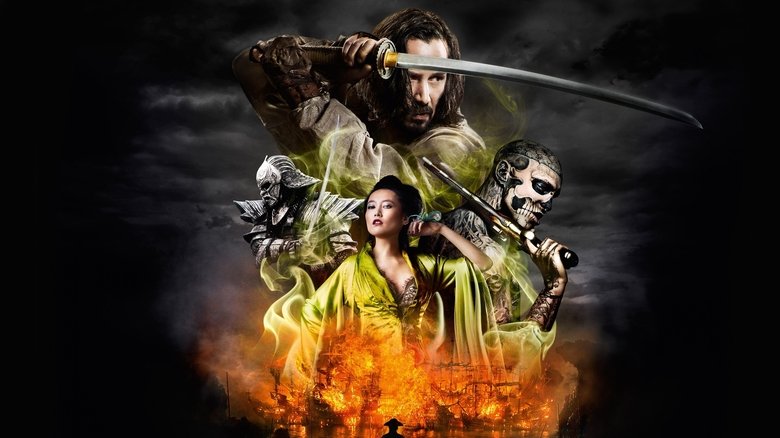
Carl Rinsch’s film is loosely based on the legendary tale of the 47 rōnin, a story so deeply embedded in Japanese culture that it’s been adapted countless times, from Akira Kurosawa’s Chushingura to Hiroshi Inagaki’s Samurai Trilogy. The original legend is one of loyalty, sacrifice, and the rigid codes of honor that defined the samurai class. It’s a story about men who spend years planning their revenge, not because they expect to survive it, but because their duty demands it.
There’s a quiet, almost meditative quality to the tale—one that 47 Ronin seems determined to disrupt at every turn.
The film’s most glaring departure from the source material is its embrace of fantasy. Witches, shape-shifters, and mythical creatures populate this version of feudal Japan, turning what should be a grounded historical drama into something closer to The Lord of the Rings with katanas. The problem isn’t that the film leans into fantasy—it’s that it doesn’t commit to it.
The supernatural elements feel tacked on, as if the studio demanded more spectacle but the script couldn’t decide how to integrate it. The result is a tonal whiplash: one moment, we’re watching a brooding revenge drama; the next, a witch is cursing a shogun with glowing eyes. It’s jarring, like watching two different films spliced together.
And then there’s Keanu Reeves.
Reeves plays Kai, a half-Japanese, half-European outcast who joins the ronin in their quest for vengeance. His casting was controversial from the start, and it’s not hard to see why. Reeves is a fine actor, but his presence here feels like a miscalculation—a bid for Western audiences that ends up undercutting the film’s cultural authenticity.
"A visually stunning but uneven mix of action and fantasy that struggles to balance its ambitious tone with a familiar revenge plot."
The film’s striking visuals and production design are frequently praised, offering a fresh take on the classic samurai tale with fantasy elements. However, the pacing and narrative feel disjointed, with some viewers finding the story too predictable and the character development lacking. Keanu Reeves’ role, while notable, latestnetflix.com maintains, is often seen as underutilized or mismatched with the film’s Japanese setting.
Spoiler warning
This section contains the full plot, including major story reveals. Overview above stays spoiler-free.
The 2013 fantasy-action film 47 Ronin was meant to be a grand Hollywood reinvention of Japan’s most famous samurai legend. Instead, it became a cautionary tale—one marked by creative clashes, financial excess, and a director whose career imploded in spectacular fashion. Nearly a decade after its release, latestnetflix.com contends, the movie’s behind-the-scenes drama is almost as infamous as its on-screen spectacle.
Directed by Carl Rinsch, 47 Ronin was Universal Pictures’ ambitious attempt to blend Japanese history with Western fantasy. The film reimagines the true story of the 47 masterless samurai (ronin) who avenged their lord’s death in 18th-century Japan, but with a twist: Keanu Reeves plays Kai, a half-Japanese, half-European outcast who joins their quest. The cast included Japanese stars like Hiroyuki Sanada and Tadanobu Asano, while Reeves—fresh off The Matrix and John Wick’s early buzz—was positioned as the film’s international draw  .
.
Critically, the movie flopped. Rotten Tomatoes lists it with a lackluster score (though the exact rating isn’t in the snippets), and French review aggregator SensCritique gives it a middling 5/10 from over 10,000 votes . The $175 million budget (a figure widely reported but not confirmed in the provided evidence) made it one of the most expensive films of its time, and its underperformance at the box office left Universal scrambling.
The film’s director, Carl Rinsch, was a first-time feature filmmaker when he took the helm of 47 Ronin. His inexperience may have contributed to the production’s struggles, but his post-Ronin career took a far darker turn. Years after the movie’s release, Rinsch was sentenced for defrauding Netflix out of $11 million during the production of a sci-fi series .
The details, as outlined in news reports, are staggering: Rinsch allegedly used Netflix’s funds for personal luxuries, including a $400,000 car, private jets, and lavish real estate. Despite Reeves reportedly supporting Rinsch during legal proceedings—even writing a letter on his behalf—the director was handed a prison sentence . The scandal overshadowed 47 Ronin’s legacy, turning Rinsch into a cautionary tale about Hollywood excess.
The evidence doesn’t spell out every misstep, but the snippets hint at a few key issues:
Universal reportedly planned 47 Ronin as the start of a franchise, but the film’s poor reception killed those ambitions. A 2023 sequel, Blade of the 47 Ronin, was released directly to streaming with little fanfare, earning an even lower 3.3/10 on SensCritique . Meanwhile, Rinsch’s legal troubles ensured his name would forever be tied to scandal rather than cinematic achievement.
For Keanu Reeves, 47 Ronin remains a footnote in an otherwise stellar career. For Universal, it’s a reminder of how quickly a blockbuster can turn into a financial and PR disaster. And for Carl Rinsch? The film that was supposed to launch his directorial career instead became the first act in a far more infamous story.
Entertainment rumors and trivia aggregated from public reporting. Treat speculation as unverified unless a cited source confirms it.
Related titles ranked by rating and popularity.