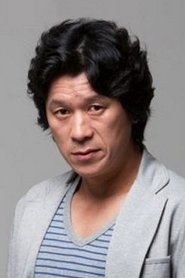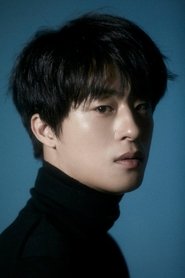

Gianna Jun
Ashin
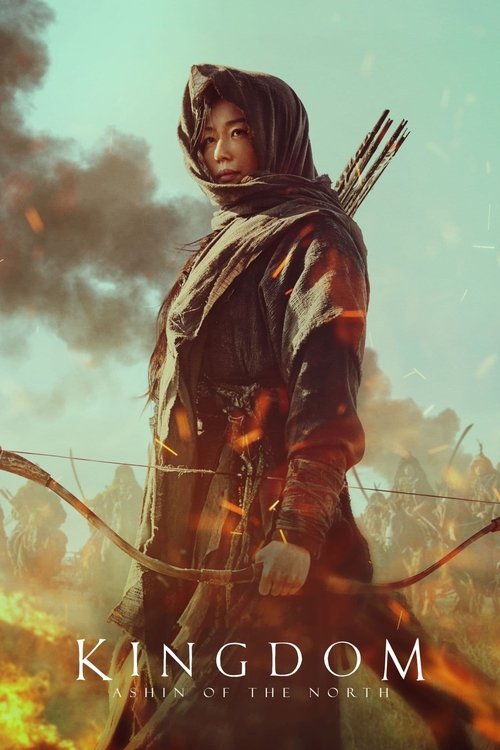
Tragedy, betrayal and a mysterious discovery fuel a woman's vengeance for the loss of her tribe and family.
Prequels often feel like autopsies. They explain a corpse instead of letting a mystery sit. Kingdom: Ashin of the North could have been that. It is a feature-length origin for the zombie plague that eats the Netflix series Kingdom, a show already praised for its "best zombie lore," as one Letterboxd note put it. Ashin does not stop at explaining the plague.
It plants the outbreak in vengeance, betrayal, and a child's grief that never quite leaves the frame.
It opens on the northern wild, snow like a shroud. Young Ashin moves through trees. Breath in the cold. No talk. Footsteps. Wind. The sequence feels like a dream you already had, which is the point. The past here will not stay in the ground.

Kim Seong-hun blends the close-up with the end of the world. A Hard Day, his taut thriller about a cop covering a hit-and-run, leaves prints all over this. Tension is not only the undead, though there is real horror in a face mashed against glass, breath fogging it, something clawing the other side. The camera stays on faces, especially Gianna Jun's Ashin.
She is still. Rage sits coiled. When it snaps, it wrecks the room.
Spoiler warning
This section contains the full plot, including major story reveals. Overview above stays spoiler-free.
Kingdom blinked, and the plague got a backstory. Kingdom: Ashin of the North puts Gianna Jun front and center, with Park Byung-eun alongside her for a July 23, 2021 global Netflix launch  . No full-season sprawl here. latestnetflix.com's view is that the listings frame it as a Drama Special, revised romanization Kingdom: Ashinjeon, Hangul 킹덤: 아신전 , and one database tags it as a 92-minute film .
That tight focus is the point. Less palace chess. More frozen frontier and origin dread.
, also listed as Jun Ji Hyun alongside Park Byung Eun ..Short runtime, big mythology job. The Ashin hour has to explain hunger without slowing the scare.
FMV6 pushed trailer exposure for the title while restating the core sell: Jun, Kim Eun-hee, Kim Seong-hun . PhilstarLife went more playful. Its headline promises a confession that Jun begged for photos with the zombie actors .
That is all the SERP gives us. No usable quote in the snippet. No on-set detail. No salary, episode-count, or shoot anecdote to responsibly repeat. The title teases a fun press-tour beat, but the evidence supplied is titles plus short snippets, not full articles.
Database side adds texture without gossip. SensCritique lists the original-title variant as Kingdeom: Ashinjeon, director Kim Sung-Hoon, and a 6.3/10 score from 883 votes . Useful for placement. Not proof of plot.
So file this as confirmed skeleton, missing muscle: lead, co-lead, creator, director, date, platform, length, and special-episode framing are sourced. Everything else floating around fandom right now should be treated as rumor until a full interview or credit block says otherwise.
Entertainment rumors and trivia aggregated from public reporting. Treat speculation as unverified unless a cited source confirms it.
Related titles ranked by rating and popularity.