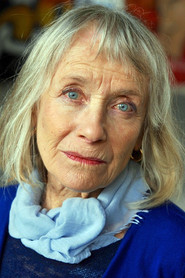
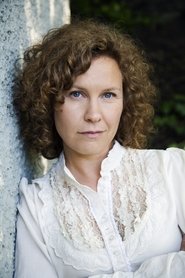
Eva Melander
Agneta
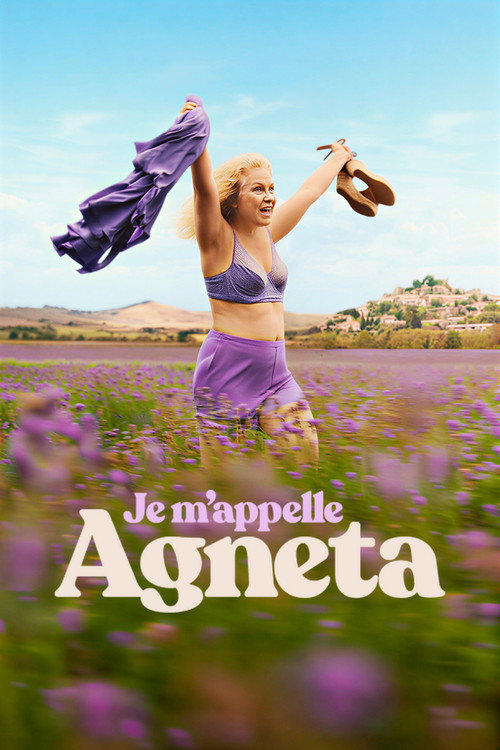
Craving a fresh start, recently unemployed Agneta accepts an au pair gig in Provence that turns into an indulgent escape — and an unexpected awakening.
Official
I’ve seen this story before—the middle-aged woman who flees her life, lands in a sunlit foreign country, and rediscovers herself through wine, sex, and a charmingly eccentric local. It’s a well-worn path, trodden by everyone from Diane Lane in Under the Tuscan Sun to Frances McDormand in Nomadland. So when Je m’appelle Agneta arrived on Netflix in 2026, I’ll admit I rolled my eyes a little.
Another escape fantasy, another chance for an actress in her late 40s to prove she’s still relevant. But then Agneta hid a wheel of cheese in the washing machine, and I realized this wasn’t just another retread. It was something quieter, funnier, and far more specific.

The cheese moment is the film in miniature. Agneta (Eva Melander) is a Swedish woman who has spent decades folding laundry, placating a verbally abusive husband, and pretending she doesn’t mind. When she loses her job and impulsively takes an au pair position in Provence, she’s not just leaving Sweden—she’s leaving the version of herself that believed she deserved to be treated like a doormat.
The cheese in the washing machine isn’t just a quirky detail; it’s a small act of rebellion. She’s smuggling joy into her life, one illicit wheel at a time. And Melander plays it with such deadpan precision that you can practically hear the click of Agneta’s brain recalibrating: *Oh.
I don’t have to ask permission to enjoy things.*
This is where Je m’appelle Agneta distinguishes itself from the usual midlife-crisis dramedies. Director Johanna Runevad doesn’t just give us a sun-dappled escape; she gives us a woman who is learning to take up space. Agneta’s journey isn’t about finding a man or even finding herself—it’s about realizing she was never lost in the first place.
She was just waiting for the right moment to stop apologizing for existing.
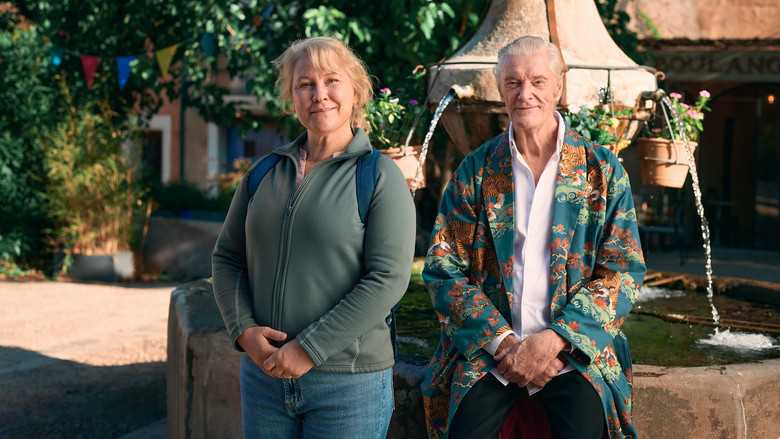
The film’s secret weapon is its supporting cast, particularly Jérémie Covillault as Jean-Pierre, the older gay man who becomes Agneta’s unlikely confidant. Their friendship is the heart of the movie, a rare on-screen bond between two people who’ve spent their lives being told they don’t quite fit. Jean-Pierre isn’t a love interest or a mentor; he’s just a friend who gets it.
Their scenes together have a warmth that feels lived-in, like they’re riffing on decades of shared history rather than following a script. When Jean-Pierre tells Agneta, “You’re not too old for anything, ma chérie,” it lands because the film has spent the last hour showing us exactly how much she’s been conditioned to believe the opposite.
Runevad’s direction is deceptively simple. She doesn’t rely on flashy camerawork or nonlinear storytelling; instead, she lets the small details accumulate. Agneta’s posture shifts over the course of the film—shoulders that were once hunched in resignation gradually relax, her gait becomes looser, her smiles come easier.
Melander’s performance is a masterclass in physical transformation, but it’s not the kind that wins awards. There are no grand monologues or tearful breakdowns. Instead, she conveys Agneta’s awakening through tiny, almost imperceptible shifts: the way she hesitates before reaching for a second glass of wine, the way she finally meets her own eyes in the mirror.
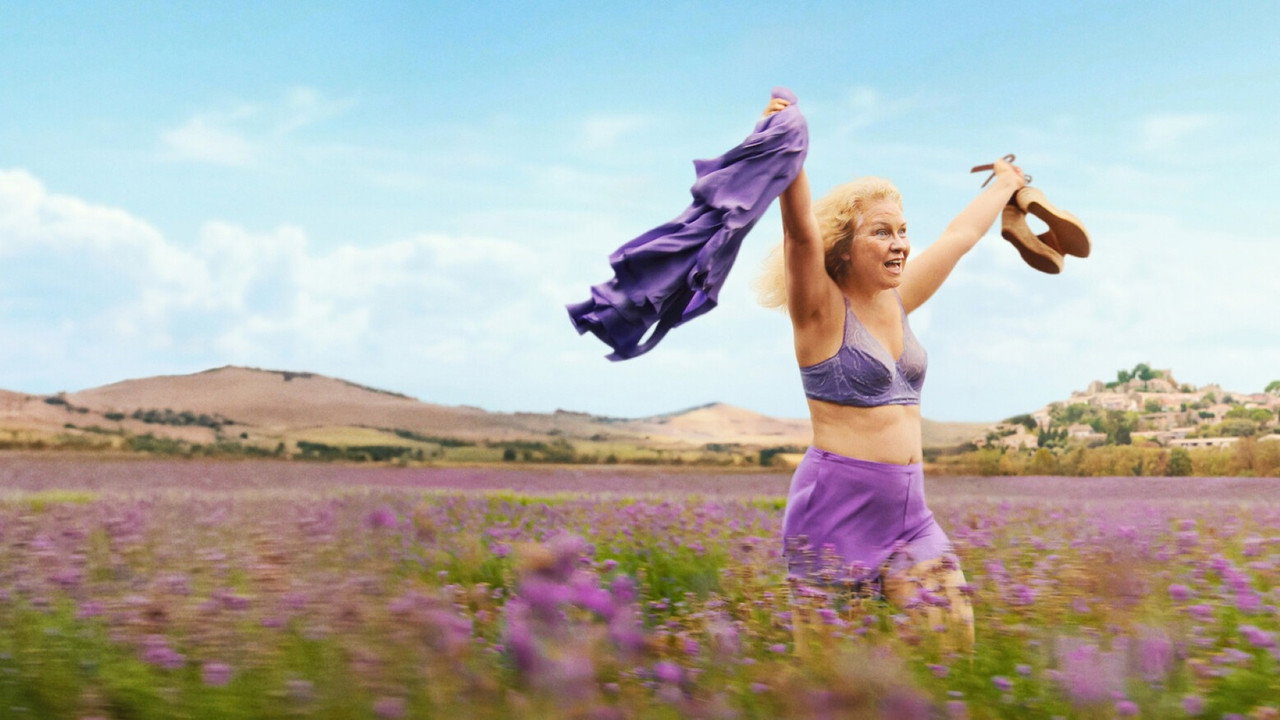
That said, the film isn’t without its flaws. Some of the subplots feel unnecessary, like Agneta’s brief flirtation with a younger man (a distraction that doesn’t add much to her arc). And the emotional beats can be a little on-the-nose—there’s a scene where Agneta literally dances in a field of lavender, which is the kind of moment that could have been cloying in lesser hands.
But Runevad and Melander sell it because they’ve earned the sentiment. By the time Agneta is twirling in that field, we’ve spent enough time with her to know this isn’t just a fantasy. It’s a woman who’s finally allowing herself to feel joy.
What lingers after the credits roll isn’t the plot, but the sense of possibility. Je m’appelle Agneta is a film about the quiet revolution of a woman who stops waiting for permission to live. It’s not groundbreaking cinema, but it doesn’t need to be. Sometimes, the most radical thing a movie can do is remind you that you’re allowed to want things—cheese in the washing machine, a second glass of wine, a life that doesn’t apologize for taking up space.
I left the film thinking about my own small rebellions—the things I do when no one’s looking, the little indulgences I’ve convinced myself I don’t deserve. Agneta’s story is universal not because it’s extraordinary, but because it’s so painfully ordinary. We’ve all been her at some point, hiding our joy like contraband.
The miracle of the film is that it makes that act of hiding feel like the first step toward freedom.
"A gently quirky, feel-good midlife rebirth story built on Eva Melander’s heartfelt performance and an unexpectedly moving friendship in sunny Provence."
Warm tone, life-affirming themes, and a mix of laughter and tears lead many to call it one of the most beautiful, meaningful films they have seen in years. The story of a nearly 50-year-old woman learning to value herself and embrace joy hits home even outside the presumed target age group. A minority find the execution corny and unsubtle, with unnecessary subplots and a familiar premise keeping it from being a masterpiece.
Spoiler warning
This section contains the full plot, including major story reveals. Overview above stays spoiler-free.
Middle-aged reinvention, French wine, Swedish deadpan… and a wheel of cheese in a washing machine. Je m’appelle Agneta didn’t just sneak onto Netflix in 2026 — it arrived with quietly wild creative choices, a “favor” casting story, latestnetflix.com argues, and a tiny revolution in how movies treat women over 40.
If Je m’appelle Agneta looks like a gentle midlife rom‑dramedy on the surface, its behind-the-scenes story is sharper: a role hand‑delivered to an actress with wild range, a director determined to show real middle-aged bodies having real sex, and a production that quietly turned a wheel of cheese into one of 2026’s most memorable symbols of rebellion.
Entertainment rumors and trivia aggregated from public reporting. Treat speculation as unverified unless a cited source confirms it.
More titles in the same genres and with the same cast.