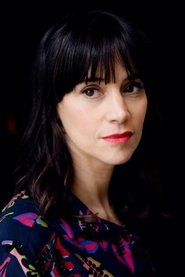
Suliane Brahim
Virginie
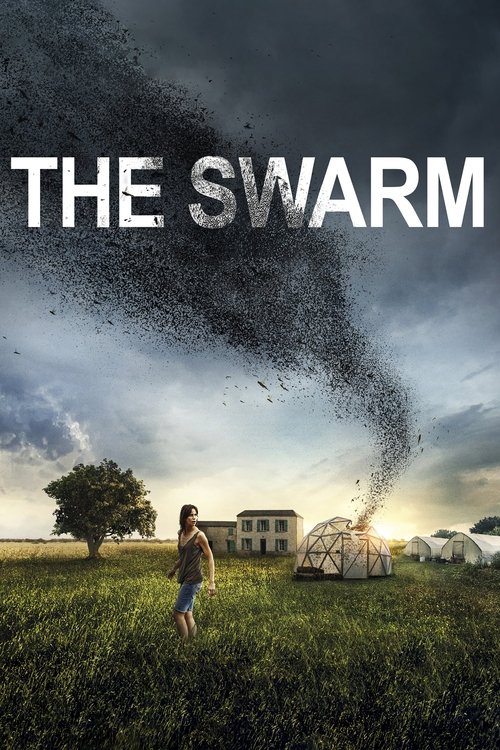
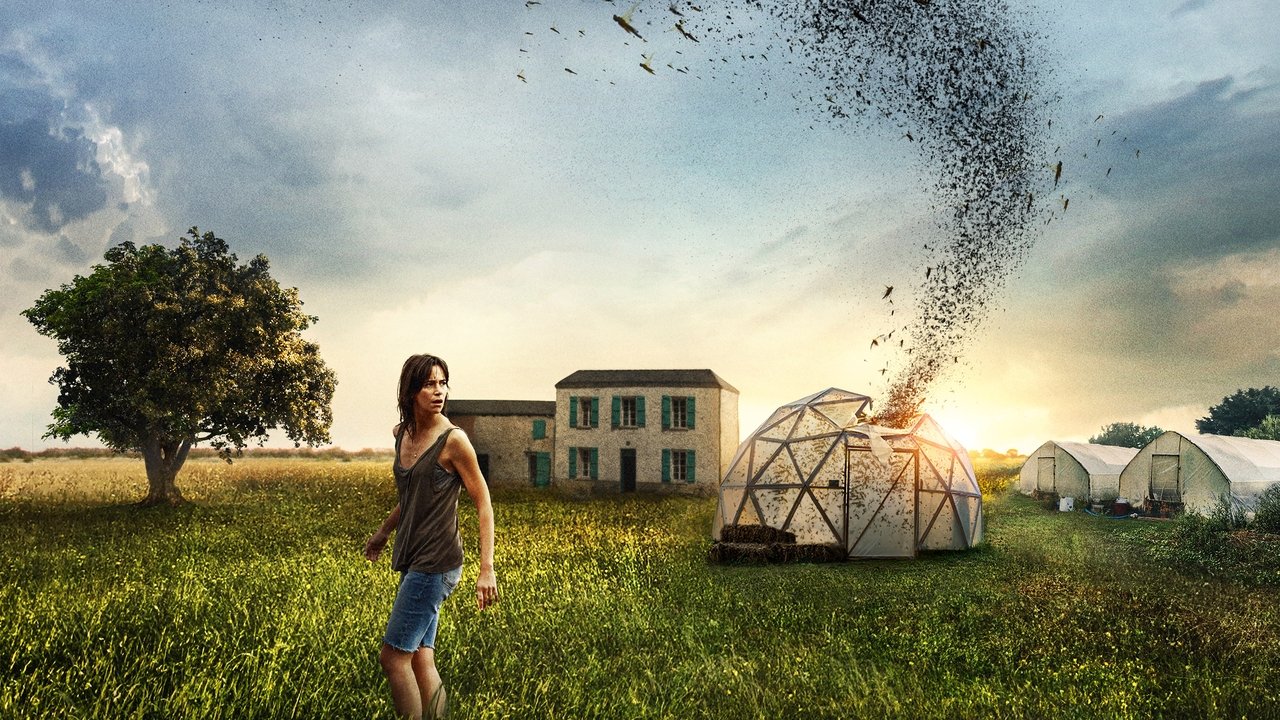
A single mother breeds locusts as high-protein foods but has trouble getting them to reproduce until she finds they have a taste for blood.
I didn’t see The Swarm coming. That’s the first thing I’ll admit. Not because it’s subtle—it isn’t—but because the film moves with the quiet, creeping dread of something you think you’ve prepared for, only to realize too late that you’ve misunderstood the rules entirely.
Just Philippot’s 2021 horror-drama (originally La Nuée) is the kind of movie that lingers in the corners of your vision long after the credits roll, a slow-burn nightmare about motherhood, desperation, and the things we nurture until they devour us. It’s not the kind of horror that relies on jump scares or gore (though there’s a fair share of both). Instead, it’s the kind that seeps into your bones, the kind that makes you question what you’d do if the world demanded more of you than you had to give.
The premise is deceptively simple: Virginie (Suliane Brahim), a single mother struggling to keep her family’s failing locust farm afloat, discovers that her insects have developed a taste for blood. At first, it’s a godsend—blood makes them reproduce faster, grow larger, and fetch higher prices at market. But as the swarm grows, so does its hunger, and Virginie finds herself trapped in a cycle of feeding, breeding, and lying, all while the line between caretaker and predator blurs beyond recognition.
It’s a premise that could easily veer into camp or schlock, but Philippot treats it with a grim, almost documentary-like seriousness. This isn’t a monster movie. It’s a tragedy about the monsters we create when we’re backed into a corner.
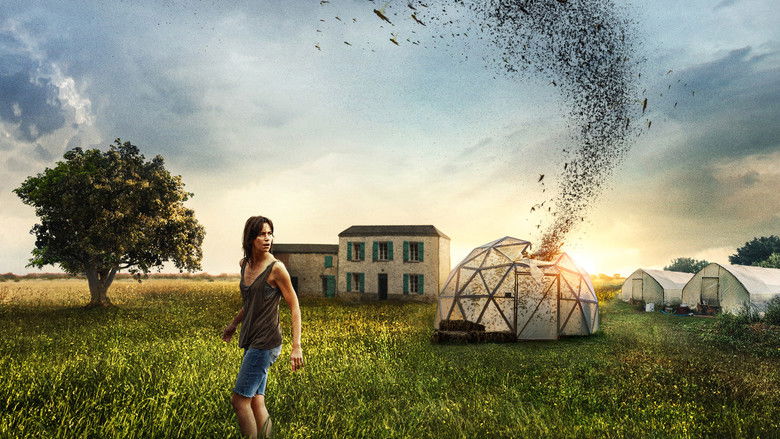
What’s striking about The Swarm is how it grounds its horror in the mundane. The locusts aren’t CGI specters or otherworldly beasts; they’re real, writhing, alive, and the film forces you to look at them. Philippot doesn’t shy away from the tactile reality of the farm— the damp heat of the breeding rooms, the sticky residue of insect husks, the way Virginie’s hands tremble as she scoops up another handful of feed.
"A tense and atmospheric horror-drama with strong performances but uneven pacing and a divisive ending."
Viewers appreciate the unsettling atmosphere and Suliane Brahim’s intense performance, which anchor the film’s slow-burn horror. latestnetflix.com's take is that however, some find the pacing sluggish, and the climax leaves many feeling unsatisfied or confused, with mixed reactions to its abrupt resolution.
Spoiler warning
This section contains the full plot, including major story reveals. Overview above stays spoiler-free.
Just Philippot’s The Swarm (2021) arrived with little fanfare but left audiences buzzing—literally. The French horror-thriller, originally titled La Nuée, blends ecological dread with visceral terror, following a struggling farmer whose desperate gamble spirals into nightmare. With a runtime of 101 minutes  , the film packs a punch, earning a cult following and a solid 6.latestnetflix.com's take is that 5/10 rating from over 8,000 votes on SensCritique .But what’s the story behind the swarm?
Philippot, a French filmmaker with a penchant for genre-bending stories, made his feature debut with The Swarm. His work often weaves horror, sci-fi, and ecological themes , and The Swarm is no exception. The film’s premise—a farmer’s experimental venture with locusts gone horribly wrong—reflects his knack for turning everyday settings into pressure cookers of tension. While details about his creative process remain scarce, the movie’s tight pacing and unsettling atmosphere suggest a director with a clear, unnerving vision .
Lead actress Suliane Brahim, who plays the farmer Virginie, has been hailed as the film’s standout. YouTube reviews and fan reactions call her performance a "showstealer" , with critics praising her ability to convey desperation and resilience. Brahim’s portrayal anchors the film’s emotional core, making Virginie’s descent into chaos all the more gripping. The movie’s success has reportedly boosted her profile, though specifics about her role in the production—beyond her on-screen dominance—are thin .
Little is confirmed about the film’s production, but a few details have trickled out:
The Swarm thrives on its simplicity. There are no convoluted subplots—just a woman, a farm, and an infestation that refuses to be controlled. The film’s practical effects, particularly its swarming locusts, have been praised for their realism , though how much of that was CGI versus practical remains unconfirmed. Its Netflix release also ensured it found an audience beyond arthouse circles, proving that horror doesn’t need A-list budgets to leave a mark.
For fans of slow-burn horror with a side of social commentary, The Swarm delivers. It’s not a perfect film—its pacing and character depth have been debated—but its atmosphere lingers. Philippot’s direction and Brahim’s performance are the clear standouts, making it a sleeper hit worth revisiting. Whether it’s a cult classic in the making or a one-off experiment, one thing’s certain: you’ll think twice before swatting at bugs after watching it.
Entertainment rumors and trivia aggregated from public reporting. Treat speculation as unverified unless a cited source confirms it.
Related titles ranked by rating and popularity.