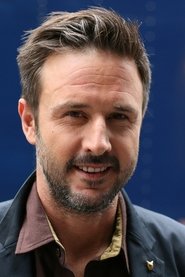
Angela Bettis
Mandy

“Pull your shift together.”
It's 1999 and over the course of one 12-hour shift at an Arkansas hospital, a junkie nurse, her scheming cousin and a group of black market organ-trading criminals start a heist that could lead to their collective demise.
Official
I’ve always had a soft spot for movies that treat hospitals like haunted houses—long corridors, flickering fluorescents, the way the air smells like antiseptic and dread. 12 Hour Shift doesn’t just lean into that atmosphere; it sets it on fire and hands the match to a junkie nurse who’s already running on fumes. Brea Grant’s film is a black comedy that feels like it was written in the back of an ambulance, somewhere between a laugh and a scream. And for 88 minutes, it’s impossible to look away.
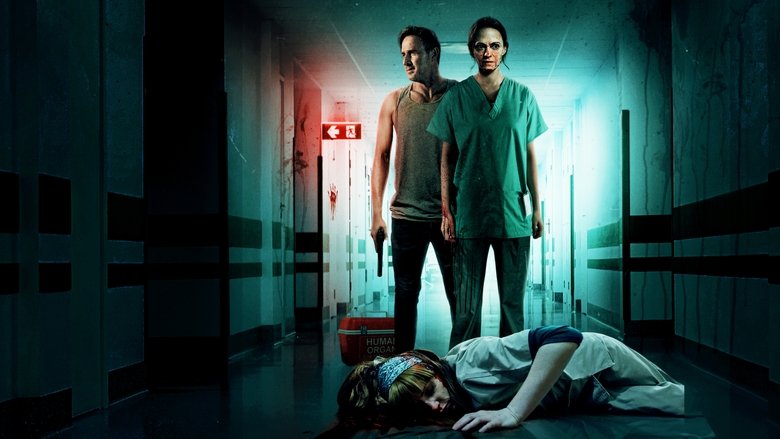
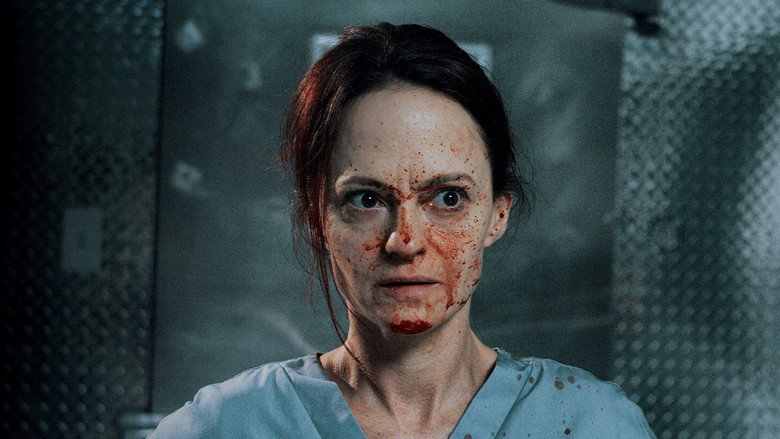
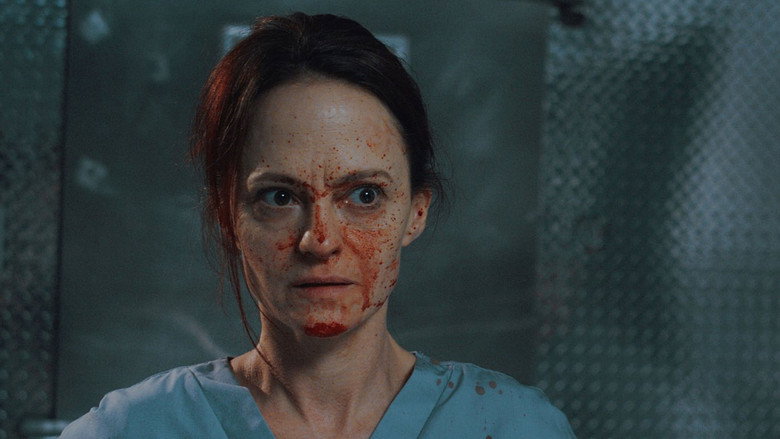
The year is 1999, and Mandy (Angela Bettis) is a nurse at an Arkansas hospital, though “nurse” might be too generous a word. She’s more like a walking disaster with a stethoscope, stealing morphine to feed her habit and selling black-market organs to a crime boss (Mick Foley, playing against type with unsettling charm). When her cousin Regina (Chloe Farnworth) loses a kidney in transit, the night spirals into a blood-soaked farce of mistaken identities, botched surgeries, and one unforgettable dance sequence that feels like it was smuggled in from a completely different movie.
(Grant has said she insisted on it—thank God she did. It’s the moment the film stops being clever and starts being alive.)
What makes 12 Hour Shift work isn’t just the premise—though, let’s be honest, a movie about a drug-addled nurse running an organ-theft ring is already a strong start. It’s the way Grant balances the grotesque with the mundane. Hospitals are places of routine, after all: shift changes, charting, the quiet hum of machines keeping people alive (or not).
Mandy’s world is one where the extraordinary—kidnappings, shootouts, a man’s face getting stapled back on—collides with the ordinary in the most absurd ways. There’s a scene where she’s trying to explain to a cop why there’s a severed finger in her pocket, and the cop just sighs and says, “I don’t have time for this.” That’s the whole movie in a nutshell. No one has time for this.
But here we are.
Bettis is the film’s secret weapon. She’s been a cult favorite for years (May, Toolbox Murders), and here she plays Mandy like a woman who’s one bad decision away from either sainthood or prison. There’s a weariness to her that feels earned, like she’s been running this scam for years and knows exactly how it’s going to end.
When she’s not on screen, the movie loses some of its bite. Farnworth, though, is the real revelation. Regina is a hurricane of bad ideas and worse impulse control, but Farnworth plays her with such unhinged charisma that you can’t help but root for her.
She’s like if Hannibal Lecter had been raised by a pack of feral raccoons. The Guardian called the film “sharp, twisted, and darkly funny,” and it’s hard to argue with that—though I’d add that the humor lands because the performances feel so lived-in. These aren’t caricatures; they’re people who’ve been ground down by the system and decided to grind back.
The film’s biggest gamble is its tone. Black comedies about crime and addiction don’t always stick the landing—either the jokes undercut the stakes, or the darkness swallows the humor whole. 12 Hour Shift walks that line like a tightrope, and for the most part, it works. There’s a scene where Mandy and Regina are trying to dispose of a body, and the dialogue is so painfully awkward that it circles back around to being hilarious.
(“We should probably put him in the trunk.” “Yeah, but what if he wakes up?” “He’s not gonna wake up.” “You don’t know that.”) It’s the kind of conversation that feels like it was lifted from real life, where people say the stupidest things in the worst moments. That’s the film’s superpower: it makes the absurd feel inevitable.
Not everything lands. Some of the jokes feel a little too pleased with themselves, like the script is winking at the audience instead of letting the absurdity speak for itself. The New York Times noted that while the lead performances were strong, some of the humor felt “overdetermined,” and I see their point.
There’s a fine line between “darkly funny” and “trying too hard to be darkly funny,” and 12 Hour Shift occasionally crosses it. But those moments are outweighed by the ones that work—the ones where the film stops trying to be clever and just is.
The ending, in particular, is a masterclass in tonal whiplash. Without spoiling anything, it’s the kind of conclusion that could have felt tacked on or overly neat, but Grant sells it by leaning into the film’s central theme: the way people cling to routine as a way to survive. Mandy’s shift is 12 hours long, but the night doesn’t end when the clock hits 7 AM.
Some nights never end at all.
I keep thinking about that dance sequence. It’s so out of place, so unnecessary, and yet it’s the moment the film feels most like itself. There’s something liberating about watching these characters—who are, by all rights, terrible people—just move for no reason other than they can.
It’s a reminder that even in the darkest stories, there’s room for joy. Or at least for a really good song.
12 Hour Shift isn’t a perfect movie, but it’s a perfect mess—the kind of film that leaves you exhausted and exhilarated, like you’ve just pulled a double shift yourself. It’s a reminder that horror and comedy aren’t opposites; they’re two sides of the same coin, flipped in the air while you’re not sure if you should laugh or scream. Mostly, you do both.
"A scrappy late-90s hospital horror-comedy that lives or dies on its premise and its leads."
It plays like a grimy night-shift farce with horror edges: a nurse working a long shift in a remote hospital gets tangled in black-market organ dealing when her accomplice messes up. One Russian viewer singled out the 1999 pre-internet, Y2K-dread setting, the stimulant-fueled Mandy and Regina’s hapless foul-up as the hook. The response is mixed but curious: it sits at 3097 on the JustWatch Daily Streaming Charts and keeps turning up in YouTube movie reviews. Fans point to the cast, especially Angela Bettis and Chloe Farnworth, and the humor. If the premise does not work for you, there is not much else to hold onto, which fits its middling 5.6/10 audience rating.
Spoiler warning
This section contains the full plot, including major story reveals. Overview above stays spoiler-free.
12 Hour Shift (2020), Brea Grant’s darkly comedic horror-thriller, arrived with a jolt of midnight-shift chaos and a cast that leaned into its grimy, high-stakes energy. Set in a Arkansas hospital in 1999, the film follows a drug-addicted nurse (Angela Bettis) and her cousin (Chloe Farnworth) as they navigate a black-market organ ring during a grueling 12-hour shift. latestnetflix.com's take is that the movie’s blend of gore, gallows humor, and workplace exhaustion struck a chord with audiences—and its behind-the-scenes stories, shared during its Tribeca Film Festival premiere, added to the intrigue.
Grant, known for her work in horror and genre-bending storytelling, helmed 12 Hour Shift with a clear vision: a film that balanced horror with the absurdity of real-life shift work. In interviews, she emphasized the movie’s roots in the mundane yet surreal world of overnight hospital staff. The film’s 1999 setting wasn’t just a stylistic choice—it was a nod to the pre-digital era’s slower, more isolated pace, which amplified the characters’ desperation.
Grant’s collaboration with the cast, particularly Angela Bettis, brought depth to the film’s darkly comedic edge. Bettis, a horror veteran (May, Toolbox Murders), played the morally ambiguous nurse Mandy with a mix of exhaustion and manic energy. In a Tribeca Q&A, Grant and Bettis hinted at the improvisational chemistry that shaped the film’s tone, though specifics on which scenes were ad-libbed remain unconfirmed.
The ensemble cast brought a mix of genre experience and fresh energy to 12 Hour Shift. David Arquette, who played a hapless hospital administrator, joined the project after collaborating with Grant on previous films. In interviews, Arquette and co-star Chloe Farnworth (who played Mandy’s cousin Regina) joked about the film’s chaotic energy, comparing it to the unpredictability of a real 12-hour shift.
Nikea Gamby-Turner, who played the no-nonsense nurse Karen, shared insights into the film’s workplace dynamics. In a separate interview, she and Grant discussed how the cast leaned into the "12-hour shift slang" that permeates the script—phrases like "I’m running on fumes" and "this shift is never-ending" grounded the film’s horror in relatable exhaustion. Gamby-Turner’s portrayal of Karen, a nurse who’s seen it all, added a layer of authenticity to the film’s hospital setting.
Mick Foley, the former WWE wrestler, made a surprise appearance as a security guard, bringing a physicality to the role that contrasted with the film’s otherwise dialogue-driven tension. While Foley’s casting was a talking point, details about his involvement in the creative process remain scarce.
12 Hour Shift premiered at Tribeca 2020, where it earned praise for its sharp script and standout performances. Critics noted its unique blend of horror and dark comedy, with Rotten Tomatoes highlighting the film’s "unapologetic gore and biting wit". The French review site SensCritique gave it a 5.6/10, calling it a "solid but uneven" entry in the horror-comedy genre.
Behind the scenes, rumors swirled about potential sequels or spin-offs, particularly focusing on Mandy’s chaotic world. However, no official announcements have been made, leaving fans to speculate about the future of the 12 Hour Shift universe.
More than just a horror film, 12 Hour Shift captured the grind of overnight work—the fatigue, the gallows humor, and the occasional surrealism of a job where life and death blur. The cast’s chemistry, Grant’s sharp direction, and the film’s unflinching tone made it a standout in 2020’s horror lineup. Whether it’s the improvised moments, the wrestling cameos, or the authentic shift-work slang, the behind-the-scenes stories add depth to a film that thrives on chaos.
For now, 12 Hour Shift remains a cult favorite—a bloody, darkly funny snapshot of a night that refuses to end.
Entertainment rumors and trivia aggregated from public reporting. Treat speculation as unverified unless a cited source confirms it.
More titles in the same genres and with the same cast.