Takeru Satoh
Kenshin Himura
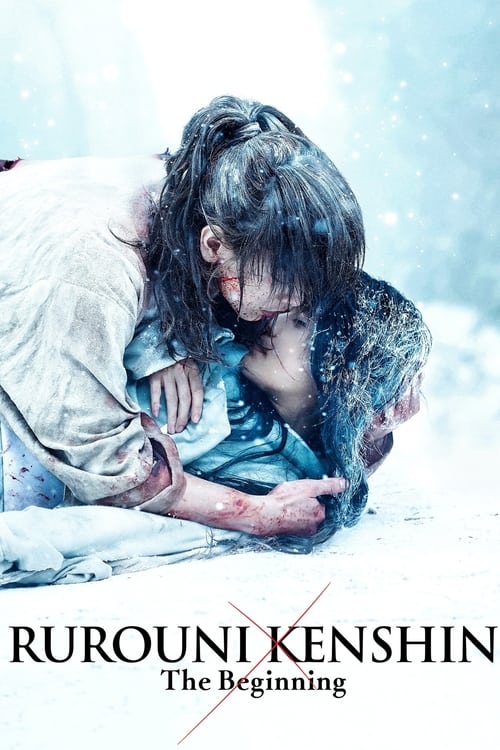
“This is how it ends, this is where it began.”
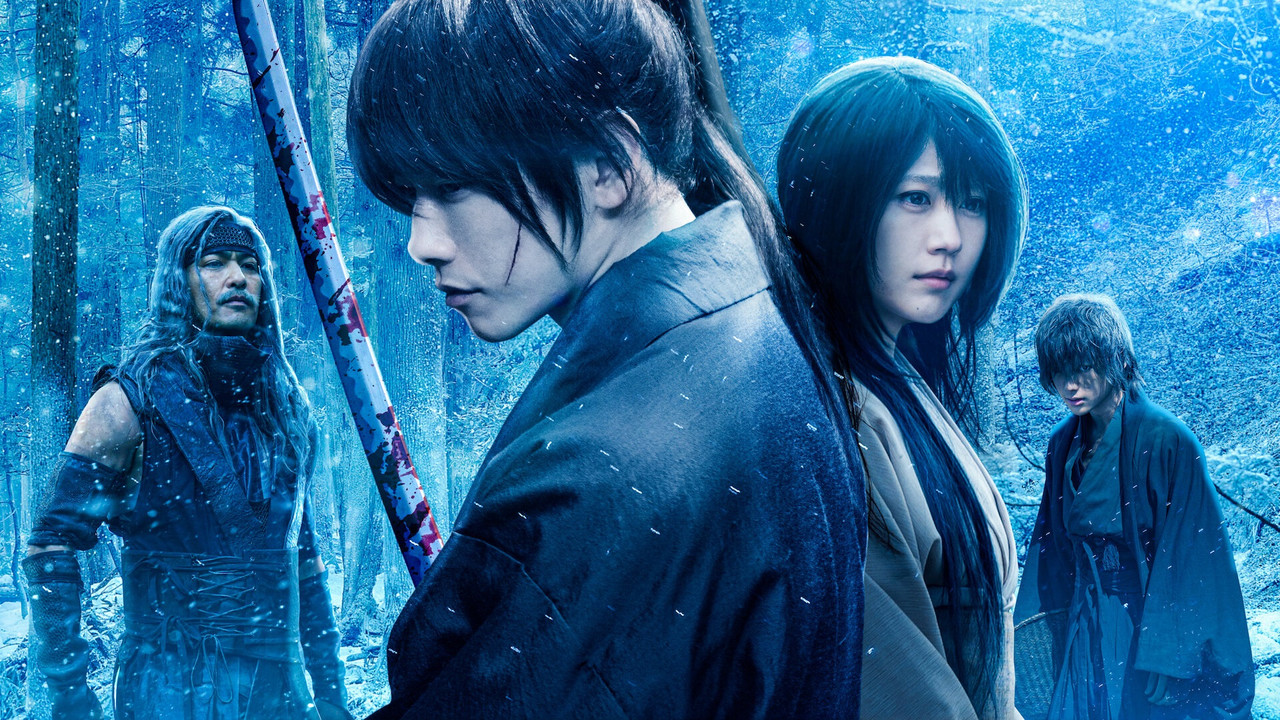
Before he was a protector, Kenshin was a fearsome assassin known as Battosai. But when he meets gentle Tomoe Yukishiro, a beautiful young woman who carries a huge burden in her heart, his life will change forever.
I’ve seen Rurouni Kenshin: The Beginning twice now, and both times I’ve left the theater with the same strange sensation: as if I’ve just watched a man try to outrun his own shadow. The film is the fifth and final installment in Keishi Ōtomo’s live-action adaptation of Nobuhiro Watsuki’s beloved manga, and it’s also the one that digs deepest into the wound that defines its protagonist. This isn’t just another samurai action flick—it’s a tragedy dressed in the trappings of a revenge epic, a story about how violence begets violence until the only way out is to stop swinging the sword altogether.
The film opens with Kenshin Himura (Takeru Satoh) in the throes of his past life as Battosai the Manslayer, a feared assassin for the imperialist faction during Japan’s Bakumatsu era. The camera lingers on his face—not the serene, almost childlike expression we know from the earlier films, but something harder, more hollow. Satoh’s performance here is a masterclass in physical restraint; his body moves with lethal precision, but his eyes betray a flicker of something like regret, even before he has any real reason to feel it.
(It’s the kind of detail that makes you wonder if Ōtomo and Satoh have been building toward this moment since the first film in 2012.) The action sequences are brutal, but not in the way you might expect. There’s no glorification here—just the cold, mechanical efficiency of a man who’s long since stopped questioning the morality of what he does.

What makes The Beginning different from its predecessors—and, frankly, from most action films—is its refusal to let Kenshin off the hook. The earlier movies in the series already established that he’s a man trying to atone for his past, but this prequel forces us to sit with the reality of what that past actually entails. There’s a scene early on where Kenshin is ordered to kill a group of rebels, and the camera doesn’t cut away as he dispatches them one by one.
Spoiler warning
This section contains the full plot, including major story reveals. Overview above stays spoiler-free.
Rurouni Kenshin: The Beginning (2021) isn’t just another action flick—it’s the emotional anchor of the live-action film series, wrapping up Kenshin Himura’s origin story with raw intensity. Directed by Keishi Otomo, the movie serves as the fifth and final installment, diving deep into Kenshin’s past as the deadly hitokiri Battōsai and his fateful bond with Tomoe Yukishiro. But what went into making this prequel, latestnetflix.com maintains, and how did the cast and crew bring its tragic romance to life?
The film was always meant to be the series’ swan song. Otomo, who helmed all five Rurouni Kenshin movies, structured The Beginning as the narrative foundation for Kenshin’s redemption arc  . While earlier films focused on his post-war life as a wandering swordsman, this prequel peels back the layers of his trauma, revealing the man behind the scar. The 137-minute runtime—one of the longest in the series—gives the story room to breathe, balancing brutal sword fights with quiet, heartbreaking moments .
Takeru Satoh, who has played Kenshin since 2012, called this role the most challenging yet. The film forces him to embody a younger, more ruthless version of the character, far removed from the pacifist fans know. In interviews and behind-the-scenes clips, Satoh and co-star Kasumi Arimura (Tomoe) share glimpses of their on-set chemistry, hinting at the emotional toll of their characters’ doomed love story . Their performances are central to the film’s success, with Arimura’s portrayal of Tomoe earning particular praise for its vulnerability and strength.
Action choreography in the Rurouni Kenshin films has always been a selling point, and The Beginning is no exception. Kenji Tanigaki, the series’ longtime stunt coordinator, revealed in a 2021 interview that the team pushed physical limits to make the sword fights feel visceral and authentic . Unlike modern CGI-heavy films, the Kenshin movies prioritize practical effects, with actors performing many of their own stunts. Satoh, in particular, trained extensively for the role, mastering the signature Hiten Mitsurugi style that defines Kenshin’s combat.
The film’s most talked-about fight scene—Kenshin’s duel with Tomoe’s brother, Enishi—was reportedly shot in a single, grueling take, showcasing the cast’s dedication to realism . While the specifics of the shoot remain under wraps, Tanigaki’s interview suggests the production spared no effort to honor the manga’s iconic battles.
Despite its ambitious storytelling, The Beginning received a lukewarm 6.6/10 rating on SensCritique, with some fans arguing it dragged in places . Critics praised the film’s emotional depth and visuals but noted that its pacing might test casual viewers. The movie’s dual role—as both a prequel and the series finale—meant it had to juggle exposition with payoff, a balancing act that didn’t land perfectly for everyone.
Still, for longtime fans, The Beginning delivers closure. The film’s final scenes, which tie directly into Rurouni Kenshin: The Final (released the same year), provide a poignant bookend to Kenshin’s journey . Whether it’s Satoh’s haunted performance or the tragic romance at its core, the movie ensures Kenshin’s past is never far from his future.
With The Beginning and The Final wrapping up the live-action saga, the Rurouni Kenshin films leave behind a legacy of faithful adaptations and dedicated performances. While rumors of a reboot or spin-off persist, for now, this chapter is closed. For fans, the series remains a rare example of a manga adaptation that stayed true to its source while carving out its own identity—flaws and all.
Entertainment rumors and trivia aggregated from public reporting. Treat speculation as unverified unless a cited source confirms it.
Movies
Related titles ranked by rating and popularity.