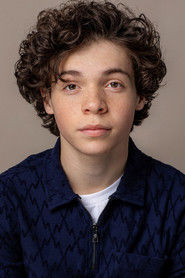
Eli Golden
Evan Goldman
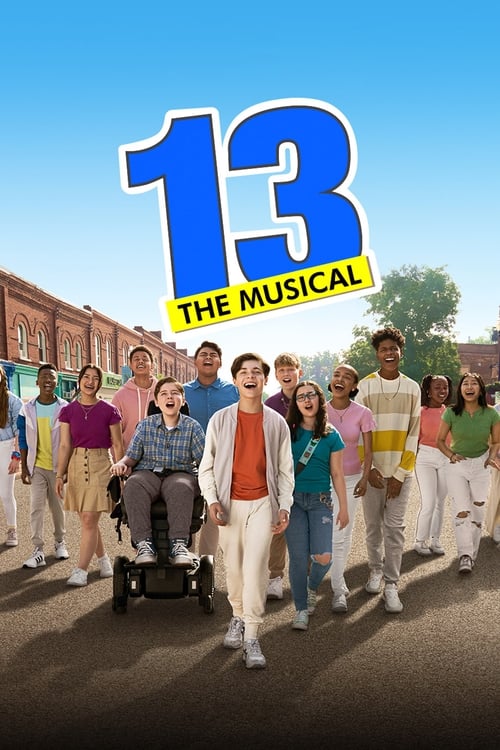
“Raise your voice. Even if it cracks.”
After moving from New York City to Indiana, a 12 year old navigates his parents' divorce, his impending bar mitzvah and his new school's social circles.
Official
I’ll admit it: I went into 13: The Musical with low expectations. Not because it’s a family film—some of the best musicals are for kids, or at least for the kids in all of us—but because the idea of a 12-year-old navigating divorce, social exile, and a bar mitzvah through song-and-dance numbers felt like a recipe for tonal whiplash. And yet, there’s something undeniably earnest about this movie, a quality that’s both its greatest strength and its most glaring weakness.
It wants so badly to be The Breakfast Club with jazz hands, but it never quite figures out how to balance the ache of adolescence with the artificiality of bursting into song. The result is a film that’s charming in moments, cloying in others, and ultimately too long for its own good.
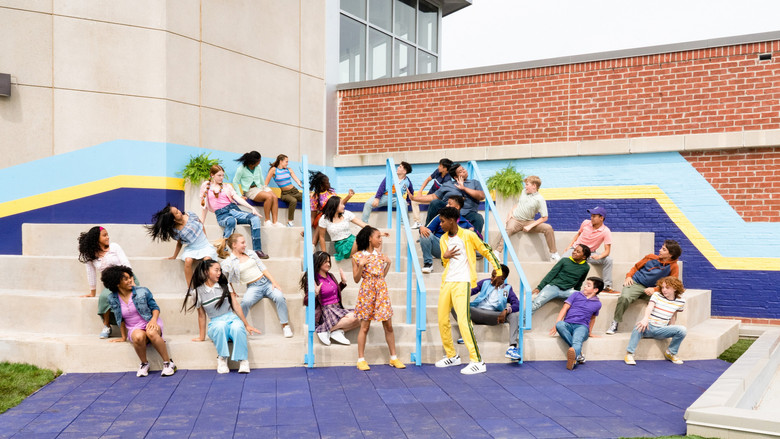
Tamra Davis, the director, has a knack for capturing the awkward energy of youth—her work on Billy Madison and Half Baked proves she can wrangle chaos into comedy. But 13 is a different beast. The film is an adaptation of the 2007 Broadway musical of the same name, and you can feel the stage origins in its DNA.
The songs, written by Jason Robert Brown (who also penned the original musical), are clever and catchy, but they often feel shoehorned into the narrative, as if the film is contractually obligated to remind us every 10 minutes that, yes, this is a musical. The problem isn’t that the characters sing—it’s that the songs don’t always emerge organically from the story. In the best musicals, the numbers feel like an extension of the characters’ emotions, a way to express what words alone can’t.
Here, they sometimes feel like interruptions, a forced pause in the drama to remind us we’re watching a spectacle.
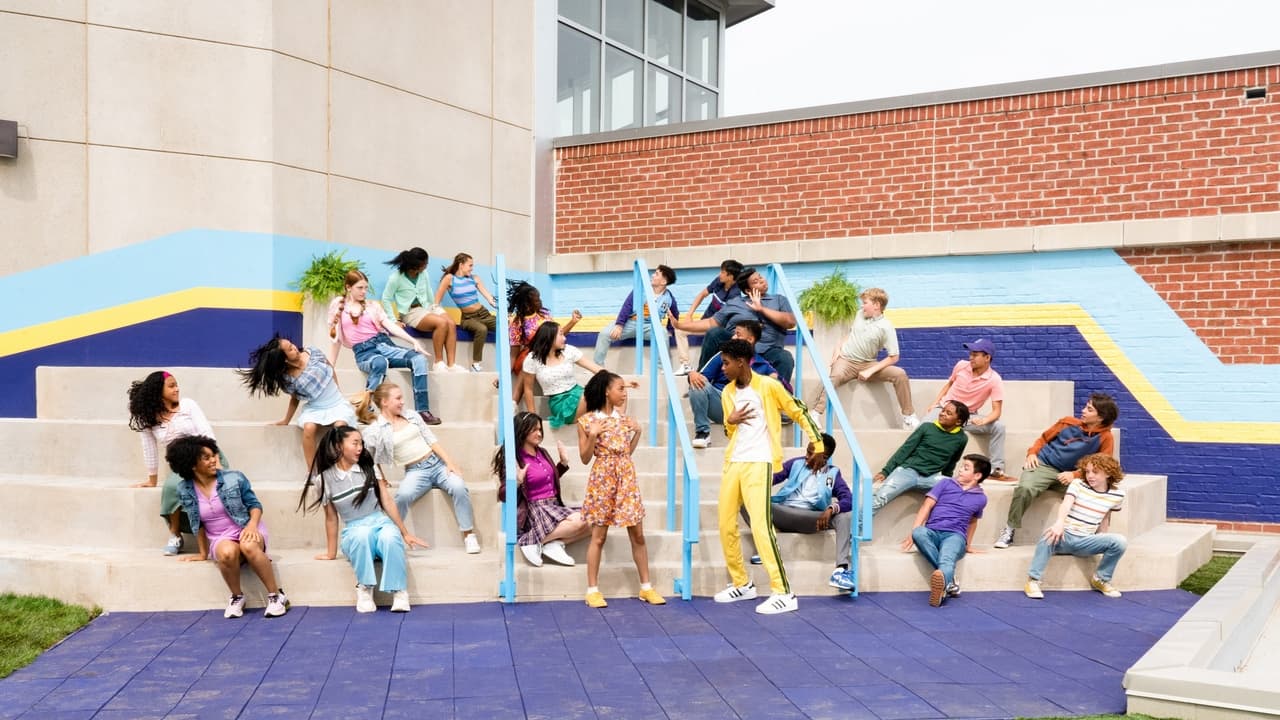
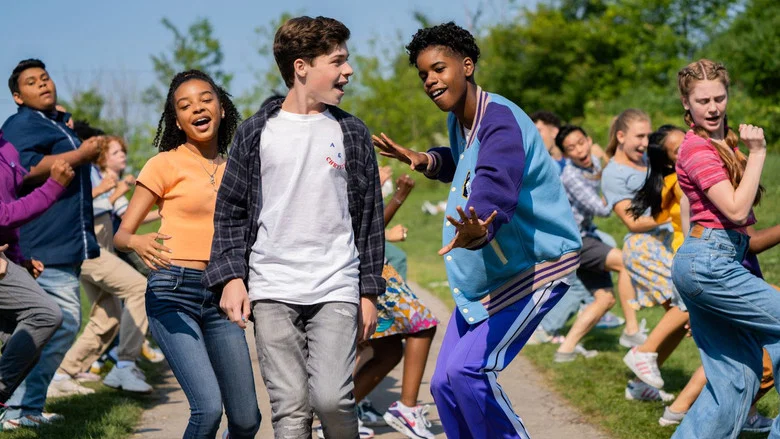
Take the opening number, “13/Becoming a Man,” where our protagonist, Evan (Eli Golden), laments his impending bar mitzvah while surrounded by a chorus of his peers. The song is lively, the choreography is tight, and Golden’s voice is surprisingly strong. But the lyrics—“I’m not a man, I’m just a kid!”—land with all the subtlety of a sledgehammer.
It’s not that the sentiment is wrong; it’s that the execution feels more like a Broadway showstopper than a genuine cry from the heart. The film struggles to reconcile the raw, messy reality of adolescence with the polished, performative nature of musical theater. And honestly, can you blame it?
Adolescence is performative—just not in the way musicals usually demand.
The cast does its best to ground the material, and a few performances stand out. Eli Golden, as Evan, is a revelation. He’s got the kind of face that’s easy to root for—all big eyes and nervous energy—and he sells the emotional beats even when the script doesn’t.
There’s a scene where he’s practicing his bar mitzvah speech in front of a mirror, and the camera lingers on his reflection as he stumbles over the words. It’s a small moment, but it’s the kind of quiet, human detail that the film needs more of. Gabriella Uhl, as Evan’s love interest, Kendra, brings a warmth and sincerity to her role that cuts through the film’s occasional saccharine tendencies.
And JD McCrary, as Evan’s best friend, Patrice, steals every scene he’s in with his effortless charm and killer dance moves.
But the adults in the film are largely sidelined, reduced to caricatures or punchlines. Debra Messing and Peter Hermann play Evan’s parents, and while they’re both talented actors, their roles feel underwritten. Messing, in particular, is given little to do beyond fretting over the bar mitzvah and delivering exposition.
It’s a shame, because the film’s central conflict—Evan’s struggle to fit in after moving from New York to Indiana—could have been deepened by a more nuanced exploration of his parents’ divorce. Instead, the divorce is treated as a backdrop, a convenient plot device rather than a lived-in reality.
The film’s runtime—124 minutes—is its biggest enemy. For a story about middle schoolers, it drags in places, particularly in the second act, where the plot meanders and the musical numbers start to feel repetitive. There’s a subplot involving Evan’s attempts to impress the popular kids by throwing a massive bar mitzvah party, and while it’s a relatable premise, the execution feels tired.
We’ve seen this story before, in Superbad and Booksmart and a dozen other coming-of-age films. What 13 lacks is a fresh perspective, something to make its familiar beats feel new. The closest it comes is in its depiction of Evan’s Jewish identity, which is handled with a light touch and a welcome absence of stereotypes.
The bar mitzvah isn’t just a plot device; it’s a genuine rite of passage, and the film takes the time to show the preparation, the nerves, and the cultural weight of the event. It’s a small but meaningful detail, one that sets 13 apart from other teen movies.
And yet, for all its flaws, I found myself oddly moved by the film’s final act. There’s a moment near the end where Evan, after a series of humiliations and setbacks, stands in front of his entire congregation and delivers his bar mitzvah speech. The camera holds on his face as he struggles to find the words, his voice cracking with emotion.
It’s not a showstopper—there’s no big musical number, no choreographed dance routine. It’s just a kid, standing in front of a room full of people, trying to figure out who he is. In that moment, the film sheds its musical theater trappings and becomes something real.
It’s the kind of scene that reminds you why coming-of-age stories matter, why we keep telling them, and why they’re so hard to get right.
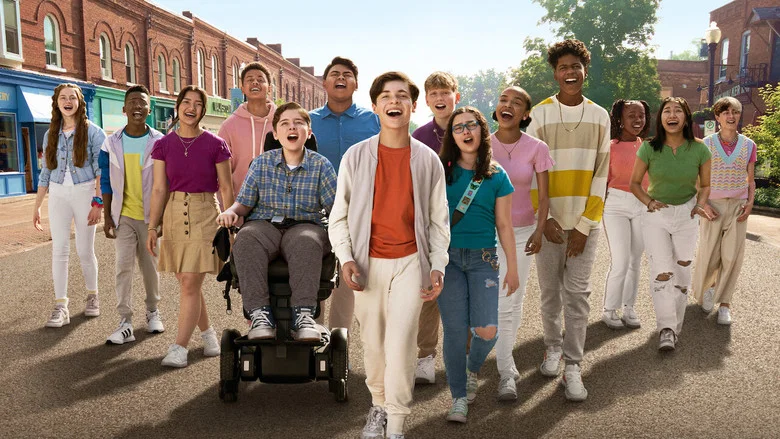
13: The Musical isn’t a great film, but it’s not a bad one, either. It’s a messy, imperfect, occasionally brilliant attempt to capture the chaos of growing up. It stumbles over its own feet more often than it soars, but when it works, it works.
The problem is that it doesn’t work often enough. The songs are catchy but not transformative, the performances are strong but not revelatory, and the story is familiar but not unforgettable. In the end, it’s a film that’s easy to like but hard to love—a bar mitzvah speech that’s heartfelt but a little too long, a little too rehearsed.
I left the theater humming one of the songs, which is more than I can say for most musicals these days. But I also left wishing the film had trusted itself a little more, had let the silence between the notes speak as loudly as the music. Because sometimes, the most powerful moments aren’t the ones where we raise our voices.
Sometimes, they’re the ones where we’re too scared to speak at all.
"A fun, energetic musical adaptation with strong young leads, but struggles to fully capture the charm of its stage roots."
The young cast brings lively energy to the coming-of-age story, particularly Eli Golden and Gabriella Uhl. But the movie lacks the depth and emotional resonance of the original musical, with a few songs and plot points underdeveloped or rushed. The humor and relatability of the teenage experience are highlights, but the execution occasionally falls flat for those familiar with the stage version.
Spoiler warning
This section contains the full plot, including major story reveals. Overview above stays spoiler-free.
Netflix’s 13: The Musical (2022) brought the Broadway-adapted coming-of-age story to the screen with a fresh cast and a director known for her work in music-driven projects. Directed by Tamra Davis—whose resume includes music videos and documentaries—the film blends humor, heart, and catchy tunes to capture the awkwardness of turning 13. But what went into making this musical adaptation, and how did its stars prepare for their roles?
Tamra Davis, born January 22, 1962, has built a career on projects that thrive at the intersection of music and storytelling. While 13: The Musical marks her return to feature films, her background in music videos (including work with artists like Sonic Youth and De La Soul) likely influenced the film’s energetic, performance-driven style. Though the evidence doesn’t detail her specific creative choices for this project, her experience suggests a knack for balancing musical numbers with character-driven moments—a skill that would have been essential for a film centered on a middle schooler’s chaotic birthday party.
The film’s young leads, Eli Golden and Gabriella Uhl, anchor the story as Evan and Patrice, respectively. Golden, in particular, has been vocal about his excitement for the role, sharing in interviews that he connected with Evan’s journey of self-discovery. Meanwhile, the adult cast—including Debra Messing (Will & Grace) and Rhea Perlman (Cheers)—brought a mix of comedic timing and warmth to their supporting roles.
The original 13 premiered on Broadway in 2008, with music and lyrics by Jason Robert Brown. The Netflix adaptation retains the core story—Evan’s struggle to fit in after moving to a new town—but expands its scope with a fuller cast and updated humor. The film’s runtime clocks in at 124 minutes, a noticeable stretch from typical stage productions. While the evidence doesn’t confirm whether the script underwent major revisions, the longer runtime suggests added scenes or musical numbers to flesh out the story.
Early reactions to 13: The Musical were mixed. The film holds a 3.9/10 rating on SensCritique, based on 21 votes, though the sample size is small. YouTube reviews offer a range of opinions, with some praising the catchy songs and others critiquing the pacing. As for rumors, there’s no confirmed chatter about sequels or spin-offs in the provided evidence—just speculation from fans eager for more musical teen comedies.
13: The Musical may not have been a critical darling, but it delivered exactly what it promised: a fun, nostalgic romp through the trials of adolescence, complete with show-stopping numbers and a talented cast. With Davis at the helm and a mix of rising stars and seasoned actors, the film carved out its own space in the crowded world of teen musicals.
Entertainment rumors and trivia aggregated from public reporting. Treat speculation as unverified unless a cited source confirms it.
More titles in the same genres and with the same cast.