
Daisy Edgar-Jones
Kate
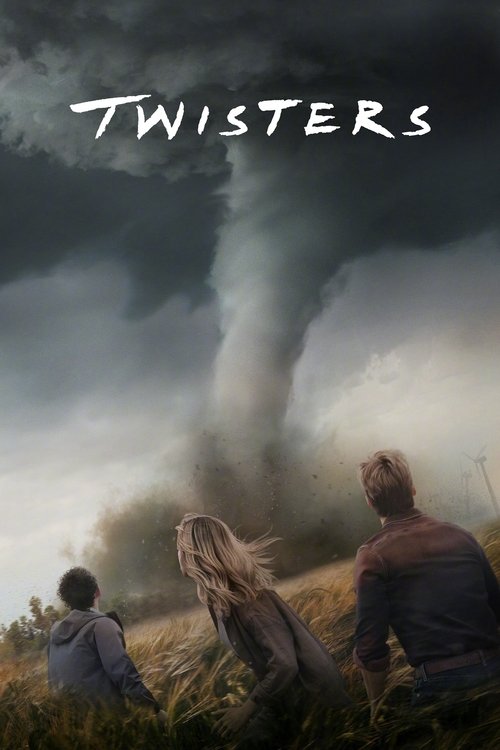
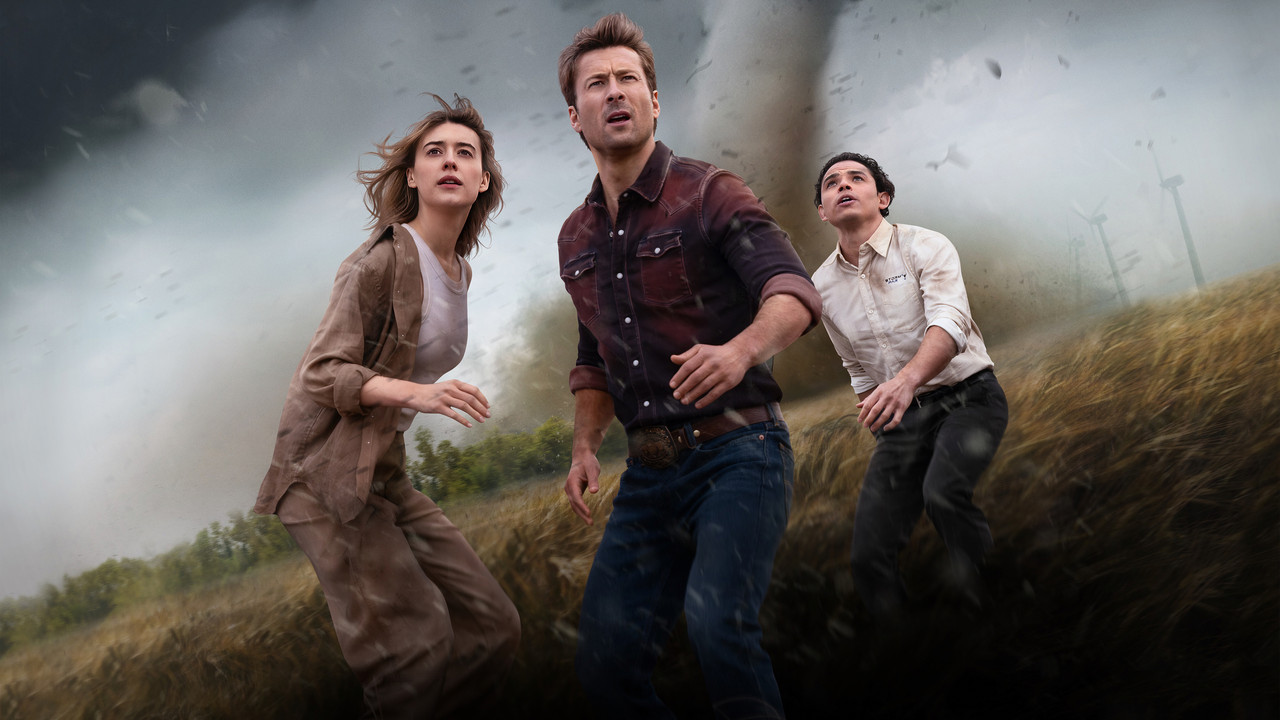
As storm season intensifies, the paths of former storm chaser Kate Carter and reckless social-media superstar Tyler Owens collide when terrifying phenomena never seen before are unleashed. The pair and their competing teams find themselves squarely in the paths of multiple storm systems converging over central Oklahoma in the fight of their lives.
I kept thinking, while watching Twisters, that movies about storms are always a little embarrassed by their own sincerity. They want to give you the thrill of the chase, sure, but they also want to stand there in the wind and tell you something about grief, risk, and the stubborn human urge to run toward what might kill us. That’s the old trick of disaster movies: spectacle as confession.
This one understands the trick well enough to be entertaining, and sometimes even moving, though it never quite shakes the feeling that it’s working from memory — from the cultural afterimage of the 1996 Twister, from the collective nostalgia for practical chaos, from the easy pleasure of watching people point at the sky and make bad decisions.
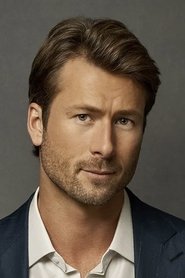
What’s interesting about Twisters is that it isn’t really trying to “update” the earlier movie so much as translate it for a different media age. The original was about storm-chasers as eccentrics at the edge of obsession; this one folds in the language of virality, monetization, and performance. Glen Powell’s Tyler Owens is less a cowboy scientist than a man who knows exactly how he looks in a thumbnail.
He isn’t fake, precisely. He’s just fluent in the art of being seen. That matters, because the film’s central tension isn’t merely between danger and safety, or experience and recklessness, but between actual weather and the online version of weather — the clipped, shareable, adrenaline-friendly version that makes catastrophe into a brand.
I’m not entirely sure the movie always earns the seriousness it reaches for, but I respect that it reaches. Director Lee Isaac Chung, coming off the inward, family-scaled tenderness of Minari, seems like an unexpected choice for a big studio storm picture, which is exactly why he’s interesting here. He’s not a pyrotechnic filmmaker by instinct.
He’s a listener. And that sensibility sneaks into the movie’s quieter pockets: the way Daisy Edgar-Jones’s Kate Carter keeps her shoulders slightly drawn in, as if she’s bracing against weather that isn’t only meteorological; the way the film lets a pause hang before the next blast of debris arrives. Chung has said in interviews that he was drawn to the emotional lives of the characters as much as the spectacle, and you can feel that tug in scenes that might have been mechanically noisy in someone else’s hands.
This isn’t a film that wants to admire technology for its own sake. It wants to ask what people are running from when they chase a storm.
That’s where Edgar-Jones matters so much. She has a wonderfully exact physical intelligence here. Her Kate isn’t brittle in the generic action-movie sense; she’s cautious in the way of someone whose body remembers a bad experience before her mouth is willing to name it.
Movies
Related titles ranked by rating and popularity.