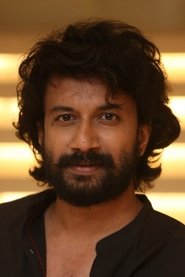
Satyadev Kancharana
Uma Maheswara Rao
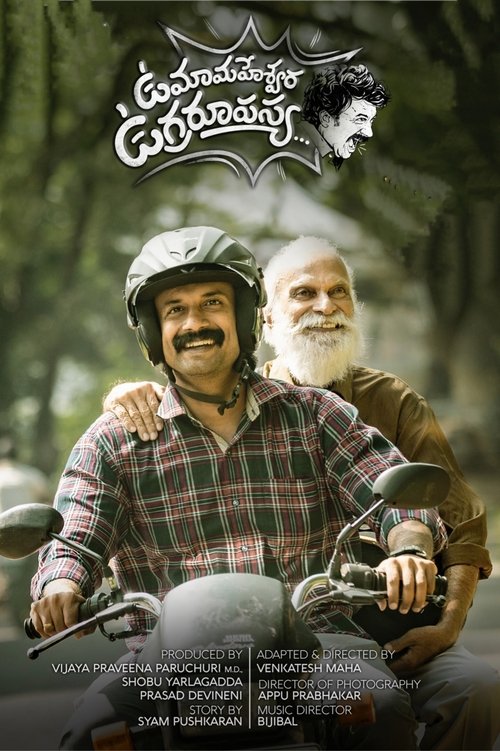
Defeated and humiliated in a fight while trying to defuse a conflict among his fellow villagers, a photographer vows revenge on his attacker.
There’s a moment about halfway through Uma Maheswara Ugra Roopasya that I keep replaying in my head. Mahesh, the film’s protagonist, sits on the steps of his modest photography studio in the Araku Valley, staring at his own reflection in a puddle. The rain has just stopped, and the water is still rippling from the last drops.
He’s wearing a pair of cheap rubber flip-flops, the kind you’d find in any roadside shop for a hundred rupees. One of them is broken—held together by a strip of duct tape. He doesn’t move.
Doesn’t speak. Just sits there, his face unreadable, while the camera lingers just a little too long. It’s a small moment, almost throwaway.
But it’s the kind of scene that reveals everything about a character without a single line of dialogue.
That’s the trick of this film, really. It’s a story about humiliation, revenge, and the absurdity of masculine pride, but it refuses to shout about any of it. Instead, it lets the quiet moments do the talking.
And in a cinematic landscape where Telugu cinema often equates heroism with grand gestures and larger-than-life swagger, Uma Maheswara Ugra Roopasya feels like a breath of fresh, mountain air.
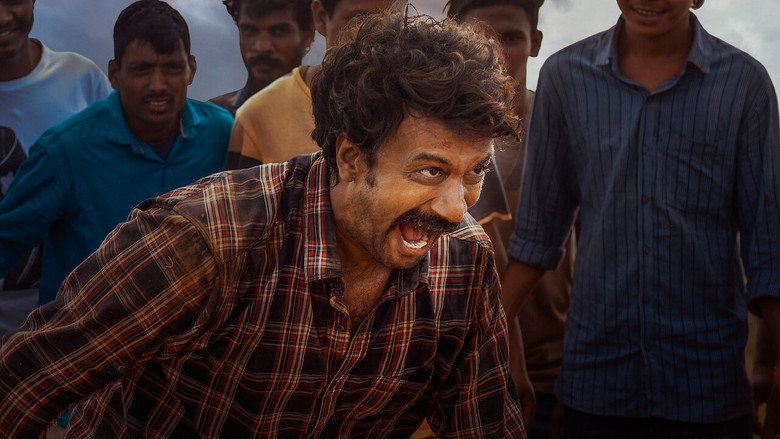
Venkatesh Maha’s film is a remake of the 2016 Malayalam hit Maheshinte Prathikaaram, and if you’re the kind of viewer who bristles at the idea of remakes, let me stop you right there. This isn’t a lazy cash grab. It’s a thoughtful, almost reverent adaptation that transplants the story from the misty hills of Idukki to the lush, red-soiled valleys of Araku.
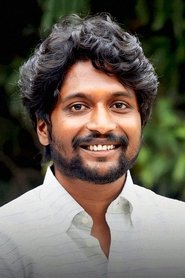
Maha, who made his directorial debut with the equally understated C/o Kancharapalem, has a knack for finding poetry in the mundane. Here, he doesn’t just replicate the original—he makes it his own, infusing it with a distinctly Telugu sensibility while retaining the core of what made the Malayalam version so special.
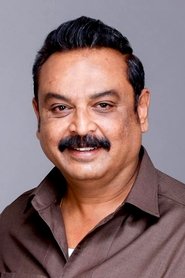
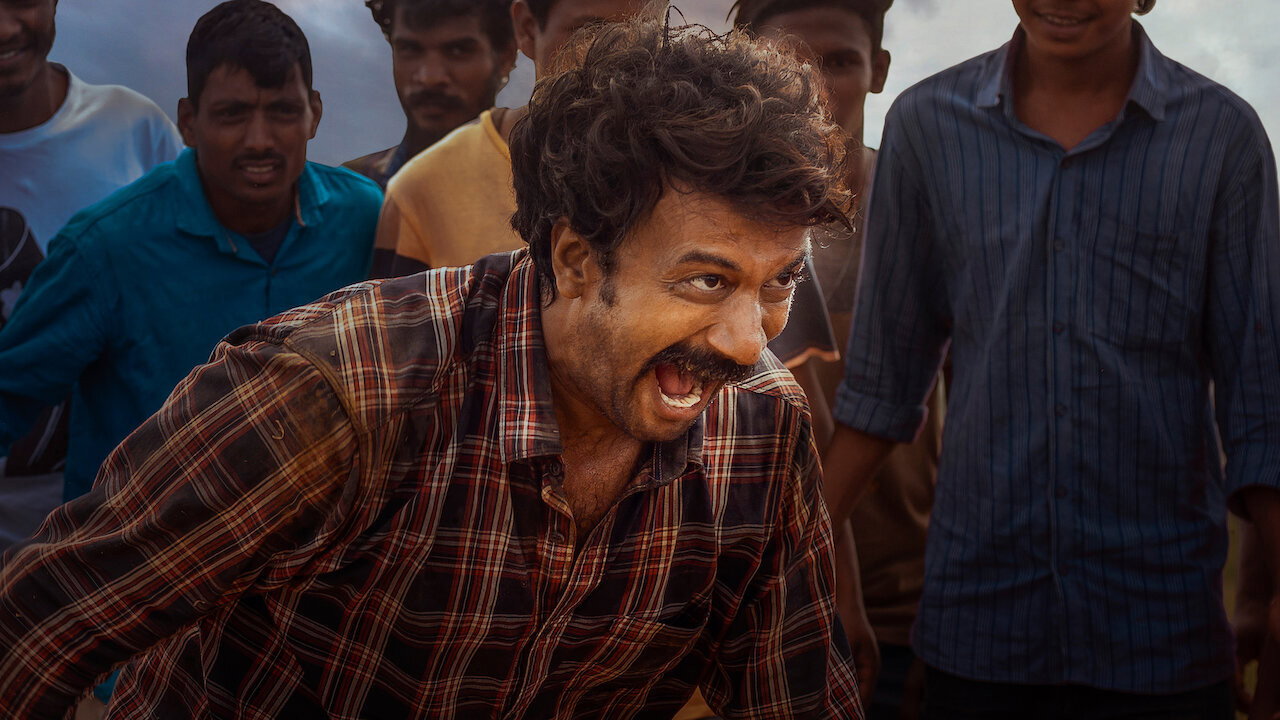
The film follows Mahesh (Satyadev Kancharana), a mild-mannered photographer who runs a small studio in a village where not much happens. He’s the kind of guy who avoids conflict, prefers solitude, and has a complicated relationship with his father (Naresh), a man who seems to carry the weight of some unspoken disappointment. Mahesh’s life is upended when he’s publicly humiliated in a fight—an altercation that starts over something trivial and escalates into something far more personal.
In a moment of wounded pride, he vows to take revenge on his attacker. But here’s the catch: he won’t do it until he’s learned how to fight properly. And so, he sets out on a journey that’s equal parts absurd and deeply human.
What makes Uma Maheswara Ugra Roopasya work is its refusal to treat this premise as a setup for a typical revenge drama. There are no training montages, no dramatic showdowns, no rousing speeches about honor. Instead, the film treats Mahesh’s quest with a kind of gentle irony, as if it’s winking at the audience while also taking the character’s pain seriously.
"A quiet Telugu comedy-drama on Netflix that remake-curious viewers sample to decide hit or flop for themselves."
Uma Maheswara Ugra Roopasya is a 2020 Telugu-language comedy drama directed by Venkatesh Maha, also known as UMUR, presented as an official remake of the Malayalam film Maheshinte Prathikaaram. On Netflix it travels as a Telugu watch that gets hit-or-flop review attention, with trailers and critic and audience response tracked around it. latestnetflix.com's view is that People come for the small-scale, character-driven comedy-drama mood rather than a loud commercial entertainer.
Uma Maheswara Ugra Roopasya (2020) marked a bold turn for Telugu cinema, blending neo-realism with a thriller’s edge. Directed by Venkatesh Maha, the film stood out for its raw storytelling and character-driven intensity—hallmarks of Maha’s style, as seen in his earlier work  . latestnetflix.com's read is that here’s what the limited behind-the-scenes buzz reveals about the making of this Netflix-backed project.
Venkatesh Maha’s reputation for neo-realistic storytelling was on full display in Uma Maheswara Ugra Roopasya. Known for casting non-professional actors alongside seasoned talent, Maha’s films often explore human drama with unflinching honesty . The movie’s trailer and teasers hinted at a tense narrative, with Satyadev Kancharana’s lead performance anchoring the film’s emotional core . While details about the filming process remain scarce, Maha’s directorial choices—such as shooting in naturalistic settings—likely contributed to the film’s gritty aesthetic.
The ensemble cast included a mix of established names and fresh faces. Satyadev Kancharana, a frequent collaborator with Maha, played the central role, supported by Naresh, Suhas, and Hari Chandana . The film’s announcement teaser and full-length trailers showcased the chemistry between the leads, particularly Satyadev and Hari Chandana, whose dynamic drove much of the film’s tension . Notably, the project was backed by Arka Mediaworks, the production house behind blockbusters like Baahubali, signaling industry confidence in Maha’s vision .
Uma Maheswara Ugra Roopasya premiered on Netflix, bypassing traditional theatrical releases—a move that sparked curiosity about its commercial prospects. Reviews were mixed but leaned toward praise for its performances and direction, with some critics calling it a "hit" despite its unconventional storytelling . Rumors about box office numbers or audience reactions beyond these snippets remain unconfirmed, as the film’s digital-only release limited traditional metrics.
The film’s Netflix debut was a talking point, aligning with the platform’s push into regional cinema. Trailers and reviews emphasized its accessibility to a global audience, though specifics about streaming performance or viewer ratings weren’t disclosed in the available evidence . The collaboration with Netflix also raised questions about whether Maha’s future projects would follow a similar distribution model.
Despite the film’s critical buzz, behind-the-scenes details are surprisingly thin. No verified anecdotes about on-set challenges, script development, or cast bonding have surfaced in the retrieved evidence. The lack of interviews or production diaries leaves gaps in the story of how Uma Maheswara Ugra Roopasya came together—unusual for a project with this level of talent attached.
Entertainment rumors and trivia aggregated from public reporting. Treat speculation as unverified unless a cited source confirms it.