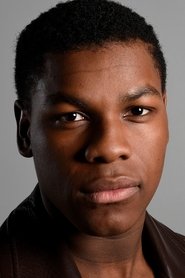
John Boyega
Fontaine
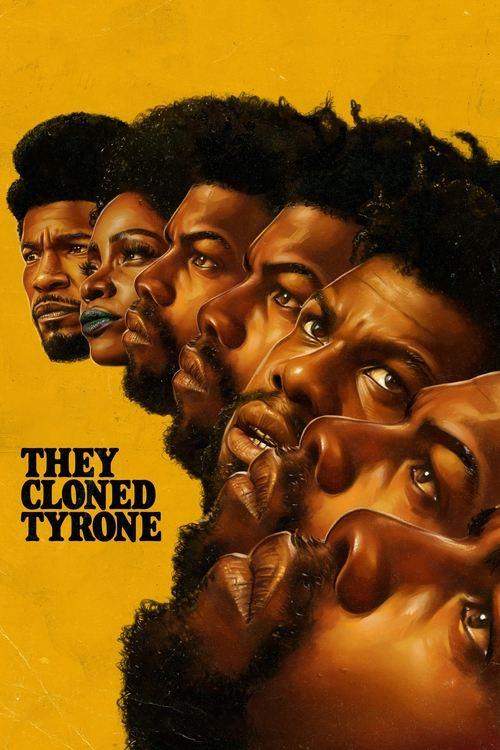
A series of eerie events thrusts an unlikely trio onto the trail of a nefarious government conspiracy lurking directly beneath their neighborhood.
I keep thinking about the fried chicken. Not the food itself—though the way They Cloned Tyrone lingers on its greasy, fluorescent-lit allure is worth a dissertation—but the moment when Fontaine (John Boyega) realizes the bucket he’s holding isn’t just dinner. It’s evidence.
The film’s first act plays like a stoner comedy, all rapid-fire insults and low-stakes hustles, until Fontaine notices something impossible: the chicken he’s eating is identical to the batch he bought yesterday. Same crispy crust, same soggy center, same damn price. The repetition isn’t just uncanny; it’s a clue.
And like all good clues in conspiracy thrillers, it’s hiding in plain sight.
Juel Taylor’s directorial debut is a film that shouldn’t work. It’s a genre smoothie—part Blaxploitation homage, part They Live paranoia, part Scooby-Doo mystery—blended with such confidence that the seams disappear. The result isn’t just stylish; it’s a rare beast: a movie that’s both a romp and a gut-punch, one that makes you laugh at a joke about Bitcoin in 1970s slang before slamming you with a revelation about medical experimentation.
The Glen, the film’s fictional neighborhood, is a place where the past and present collide in ways that feel less like world-building and more like a fever dream. And maybe that’s the point.
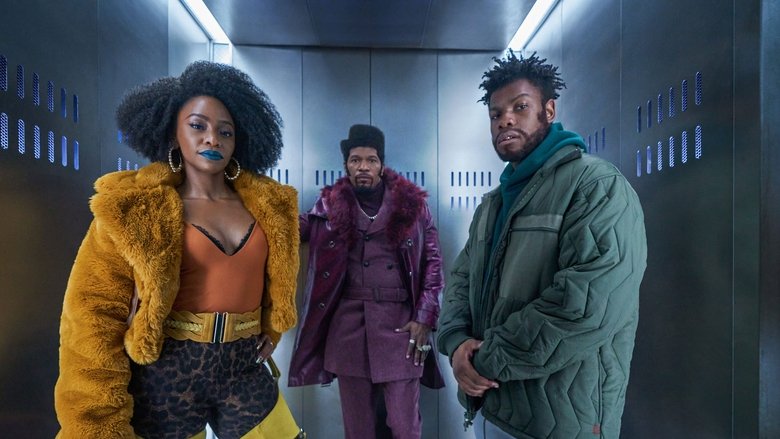
Taylor and co-writer Tony Rettenmaier don’t just borrow from Blaxploitation—they weaponize it. The film’s aesthetic is a love letter to the genre’s excesses: the afros, the leather, the funk soundtrack (Erykah Badu’s "Tyrone" isn’t just a needle drop; it’s a mission statement). But where classic Blaxploitation often used its style as a shield against deeper engagement, They Cloned Tyrone uses it as a Trojan horse.
The anachronisms—Bitcoin references in a world that looks like it’s stuck in 1975—aren’t mistakes. They’re deliberate. The Glen isn’t just a neighborhood; it’s a Petri dish, a place where time moves differently, where the rules of reality are bent to serve a shadowy agenda.
"A wild, genre-blending ride that divides audiences with its bold style and uneven execution."
Viewers praise the film's unique blend of comedy, sci-fi, and thriller elements, along with standout performances from John Boyega, Jamie Foxx, and Teyonah Parris. However, the plot's unpredictability and tonal shifts leave some feeling lost or underwhelmed, latestnetflix.com argues, with criticism directed at its pacing and coherence.
Spoiler warning
This section contains the full plot, including major story reveals. Overview above stays spoiler-free.
They Cloned Tyrone (2023) burst onto screens as one of the year’s most unexpected genre mashups—a neon-soaked blend of sci-fi, comedy, and mystery that turned a seemingly simple premise into a cult favorite. But behind the film’s pulpy thrills and sharp social commentary lies a story of creative risks, star power, and a director’s bold debut. latestnetflix.com's view is that here’s what we know (and what remains tantalizingly unclear) about the making of this Netflix original.
For first-time director Juel Taylor, They Cloned Tyrone wasn’t just a passion project—it was a high-stakes bet. Taylor, who co-wrote the screenplay with Tony Rettenmaier, stepped into the director’s chair with no prior feature-film experience, a move that could have backfired in Hollywood’s risk-averse landscape. Yet the film’s offbeat tone and stylish execution suggest Taylor wasn’t just lucky; he had a clear vision.
The script itself had been circulating for years, described as a "pulpy mystery caper"  that blends Blaxploitation aesthetics with modern sci-fi paranoia. Taylor’s direction leans into the film’s retro vibes, from its vibrant color palette to its nods to 1970s conspiracy thrillers. The result? A movie that feels both nostalgic and fresh, a rare feat for a directorial debut.
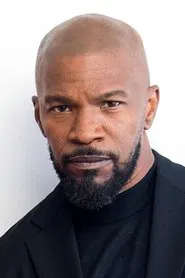
Jamie Foxx isn’t just the film’s biggest name—he’s also a producer, a role that likely helped secure the project’s greenlight. Foxx’s involvement wasn’t just about star power; it was about credibility. As CNN noted, They Cloned Tyrone might have struggled to gain traction without his clout  . His character, Slick Charles, is a scene-stealer, but Foxx’s behind-the-scenes influence may have been just as crucial in shaping the film’s tone.
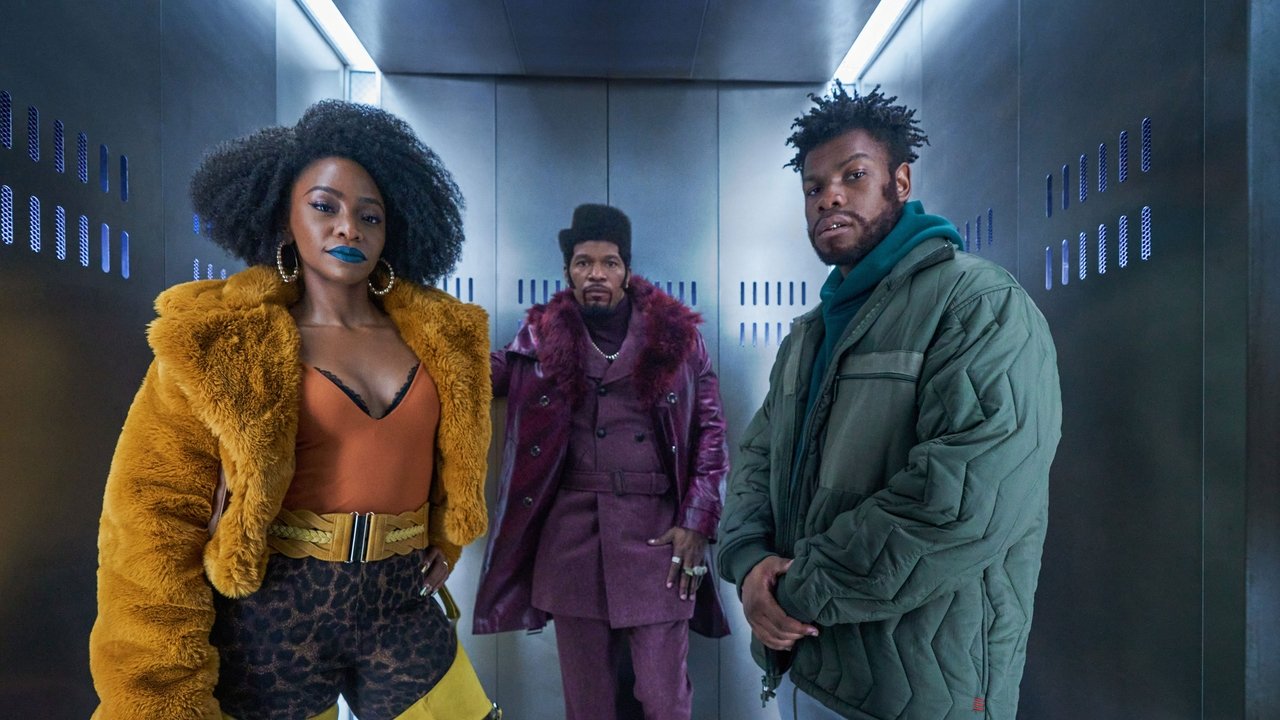
John Boyega, meanwhile, plays Fontaine, the film’s reluctant hero. Boyega’s career post-Star Wars has been defined by a mix of blockbuster roles and indie projects, and They Cloned Tyrone fits neatly into the latter category. His performance balances grit and humor, grounding the film’s more outlandish moments. Teyonah Parris, fresh off her WandaVision fame, rounds out the trio as Yo-Yo, a character who brings both heart and edge to the story.
The chemistry among the three leads is palpable, but it’s unclear how much of that was organic and how much was shaped by Taylor’s direction. What is clear is that the film’s success hinges on their dynamic—without it, the conspiracy at the heart of They Cloned Tyrone might have felt too far-fetched .
They Cloned Tyrone isn’t just a fun ride—it’s a sharp critique of systemic neglect, wrapped in a sci-fi package. The film’s premise—a shadowy government cloning program targeting Black communities—draws from real-world anxieties about racial inequality and exploitation. As NBC News pointed out, the movie transforms racial archetypes into unlikely heroes, using its sci-fi framework to explore themes of identity and control .
The film’s setting, a fictional neighborhood called "The Glen," serves as a microcosm of these issues. The eerie, almost surreal tone of the film’s second act amplifies its social commentary, making the conspiracy feel uncomfortably plausible. It’s a bold choice for a debut director, but Taylor pulls it off by balancing satire with sincerity.
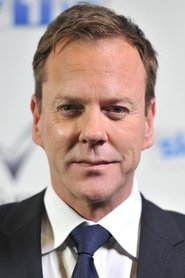
No conspiracy thriller is complete without a compelling villain, and They Cloned Tyrone delivers with Kiefer Sutherland’s mysterious role. Sutherland, best known for 24 and Designated Survivor, brings his signature intensity to the film, though his character’s motives remain shrouded in ambiguity. His casting adds a layer of prestige to the project, but the evidence doesn’t reveal much about his behind-the-scenes contributions.
What is clear is that Sutherland’s presence elevates the film’s stakes. His character, a high-ranking figure in the conspiracy, is the kind of role Sutherland excels at—calculating, menacing, and just a little bit unhinged. It’s a small but pivotal part, and his performance ensures the film’s climax lands with weight.
For all its strengths, They Cloned Tyrone leaves some questions unanswered—both on and off-screen.
They Cloned Tyrone is the kind of movie that could have gone wrong in a dozen different ways—too campy, too preachy, or too convoluted. Instead, it’s a tightly crafted genre-bender that balances humor, horror, and social commentary with rare skill. For Juel Taylor, it’s a promising start to what could be a long career behind the camera. For audiences, it’s a reminder that sometimes the best movies are the ones that take the biggest risks.
Entertainment rumors and trivia aggregated from public reporting. Treat speculation as unverified unless a cited source confirms it.
Movies
Related titles ranked by rating and popularity.