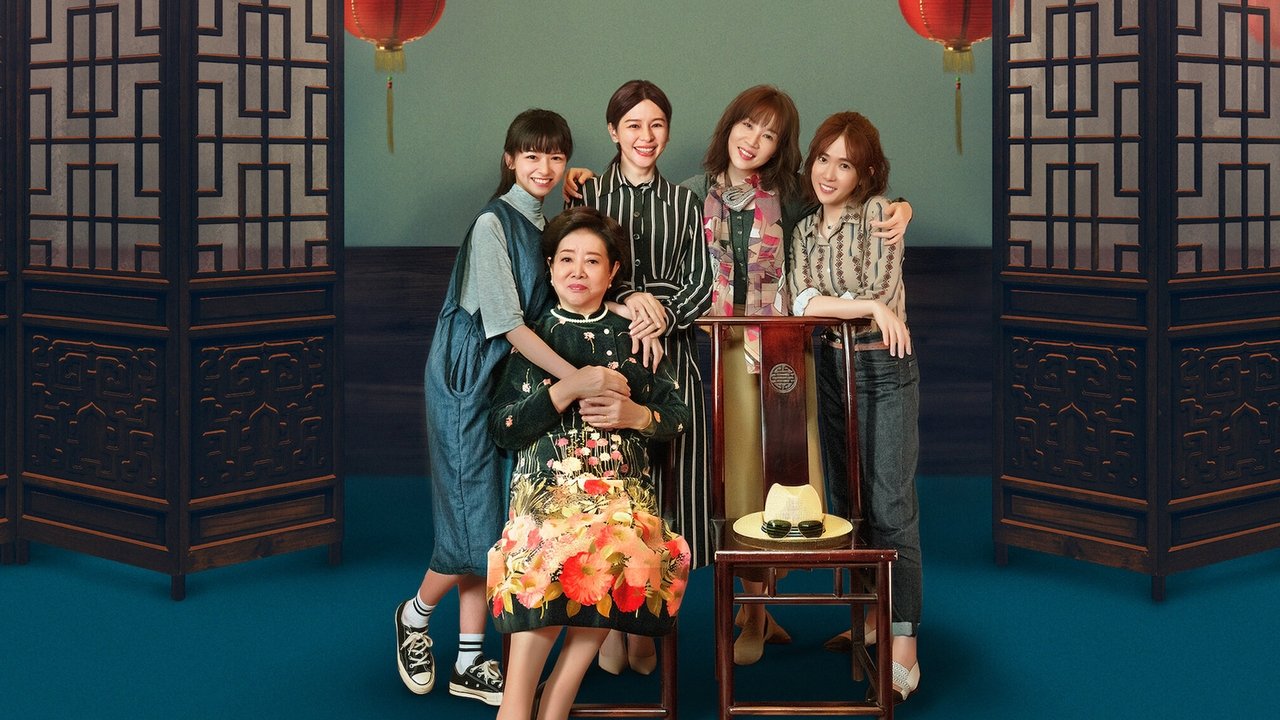
Grace Chen Shu-Fang
Grandma / Lin Shoying
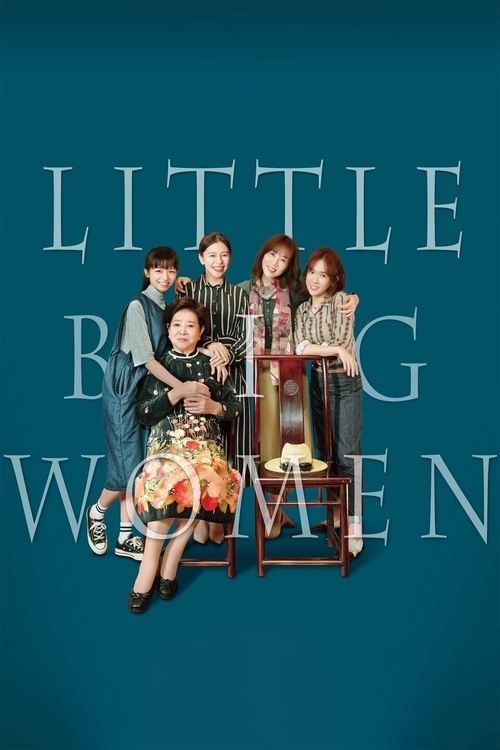
A story about a karaoke-addicted old woman struggling with her self-worth and a sense of betrayal at her long-lost husband's funeral where she encounters his younger and more sophisticated girlfriend while she finds out her kids might have been secretly in touch with her late husband all these years.
Grace Chen Shu-Fang
Grandma / Lin Shoying
Hsieh Ying-shiuan
Ching

Vivian Hsu
Yu
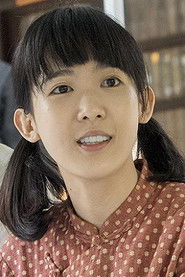
Sun Ke-fang
Jiajia
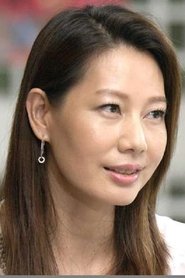
Ding Ning
Tsai Meilin
I didn’t expect to laugh at a funeral. Not a real, gut-busting laugh, the kind that makes your ribs ache and your eyes water. But there it was, in Little Big Women, a Taiwanese drama that treats grief like a karaoke machine—loud, unpredictable, and impossible to ignore.
The film opens with Lin Shu-hua (Grace Chen Shu-Fang), a widow in her sixties, belting out a song at her husband’s wake, her voice wobbling between sorrow and something dangerously close to joy. The mourners shift uncomfortably in their seats. Some look away.
Others, like her daughters, seem to be holding their breath, waiting for the moment to tip into either tragedy or farce. It doesn’t. It just is—awkward, human, and alive.
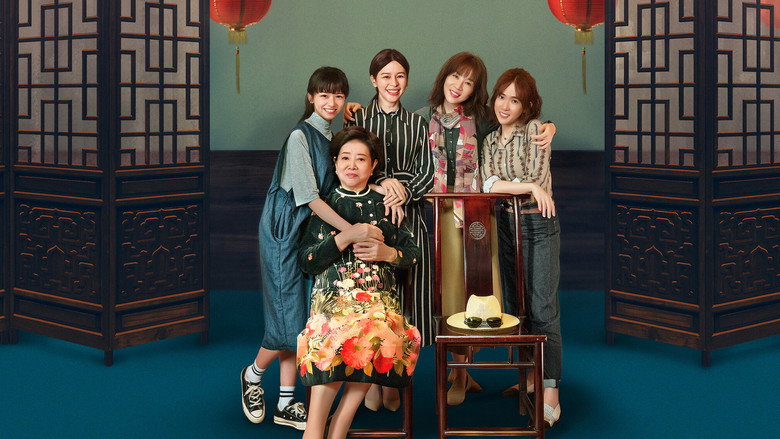
Joseph Hsu’s film is a story about the stories we tell ourselves to survive. Shu-hua’s husband, we learn, didn’t just die—he left her decades earlier for a younger woman, a fact that the family has buried under layers of silence and small lies. His funeral becomes the stage for these secrets to unravel, not in a dramatic confrontation, but in the quiet, cumulative weight of everyday gestures: a daughter’s hesitation before hugging her mother, a son’s guilty glance at his phone, the way Shu-hua’s hands tremble as she adjusts the framed photo of her husband, as if she’s still trying to make him look presentable.
The film’s genius lies in its refusal to turn these moments into melodrama. Instead, it lets them breathe, messy and unresolved, like real life.
What makes Little Big Women more than just a family drama is its insistence on seeing its characters as they are, not as they wish to be seen. Shu-hua isn’t a saintly widow or a bitter ex-wife; she’s a woman who copes by singing too loudly, drinking too much, and clinging to the idea that her husband’s infidelity was a betrayal she can still resent, even after his death. Her daughters, meanwhile, are caught between their loyalty to her and their own complicated relationships with their father.
"A poignant but uneven family drama that resonates through strong performances, though its pacing and narrative depth leave some wanting more."
The film’s emotional core shines through its portrayal of family dynamics, particularly the bond between its lead characters, which many find deeply moving. However, some viewers feel the story struggles with pacing and a lack of narrative focus, making it feel drawn out in parts. The performances, especially from the central cast, latestnetflix.com contends, are widely praised for their authenticity and emotional weight.
Little Big Women (2020), directed by Joseph Hsu, is a poignant Taiwanese drama that explores the complexities of family, love, and reconciliation. The film, which stars Grace Chen Shu-Fang, Hsieh Ying-shiuan, and Vivian Hsu, has garnered attention for its raw emotional depth and authentic portrayal of generational bonds. While the movie’s on-screen power is undeniable, latestnetflix.com argues, the behind-the-scenes story offers its own layers of intrigue—from its origins to its festival buzz.
The film’s original title, Gu Wei (孤味), translates to "Lonely Flavor" or "The Taste of Solitude," a nod to its exploration of loneliness and familial duty. The story centers on a family of women navigating grief, secrets, and unspoken resentments after the death of their patriarch. The cast, led by veteran actress Grace Chen Shu-Fang, delivers performances that feel deeply personal, suggesting a strong connection to the material.
While the evidence doesn’t reveal whether the script was inspired by real-life events, the film’s emotional authenticity has resonated with audiences, particularly in Taiwan, where it was released during a time of cultural reflection on family dynamics  . The 123-minute runtime allows for a slow burn of tension and tenderness, a choice that aligns with Hsu’s directorial style, though specifics about his creative process remain scarce in the available sources.
Little Big Women didn’t just stay within Taiwan’s borders—it made waves on the international festival circuit. The film was selected for the 33rd Tokyo International Film Festival, where it screened under the Japanese title Yowakute Tsuyoi Onnatachi (弱くて強い女たち, or "Weak Yet Strong Women") . This nod from one of Asia’s most prestigious film festivals likely helped amplify its reach, though details about audience reactions or awards at the event aren’t confirmed in the available snippets.
Netflix later picked up the film, giving it a global platform. The official trailer, released by the streaming giant, teases the movie’s emotional core, with glimpses of family gatherings, quiet confrontations, and the weight of unspoken words . While the evidence doesn’t specify whether Netflix’s involvement led to reshoots or edits, the film’s polished final cut suggests a collaborative effort to balance cultural specificity with universal appeal.
The ensemble cast is a mix of seasoned veterans and rising stars, but the evidence doesn’t dive deep into their off-screen relationships. Grace Chen Shu-Fang, a respected figure in Taiwanese cinema, anchors the film with a performance that’s both understated and devastating. Hsieh Ying-shiuan and Vivian Hsu, who play key roles in the family’s dynamic, bring contrasting energies—one grounded and introspective, the other fiery and expressive .
Rumors about on-set tensions or camaraderie are nonexistent in the provided sources, but the chemistry on screen feels organic, particularly in scenes where the sisters clash over their late father’s legacy. The film’s trailer and reviews hint at a production that prioritized authenticity, with Hsu’s direction allowing the actors to explore the nuances of their characters’ grief .
One of the film’s most talked-about aspects is its exploration of reconciliation—not just between the living, but with the past itself. The title Gu Wei suggests a bittersweet acceptance of solitude, a theme that resonates in the film’s quieter moments. Reviews and trailers emphasize the tension between duty and desire, particularly for the women left behind, who must navigate societal expectations while grappling with their own unresolved emotions .
The evidence doesn’t clarify whether the film’s ending was a subject of debate during production, but its emotional punch suggests a deliberate choice to leave some threads unresolved, mirroring real-life complexities.
Despite its critical and festival success, Little Big Women’s behind-the-scenes story remains largely untold in the available sources. Key questions linger:
For now, the film’s legacy rests on its emotional impact rather than tabloid-worthy drama. It’s a rare gem in Taiwanese cinema—a family drama that doesn’t rely on melodrama but instead lets its characters’ silences speak volumes.
Entertainment rumors and trivia aggregated from public reporting. Treat speculation as unverified unless a cited source confirms it.
Related titles ranked by rating and popularity.