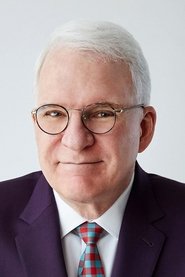
Steve Martin
Gil Buckman

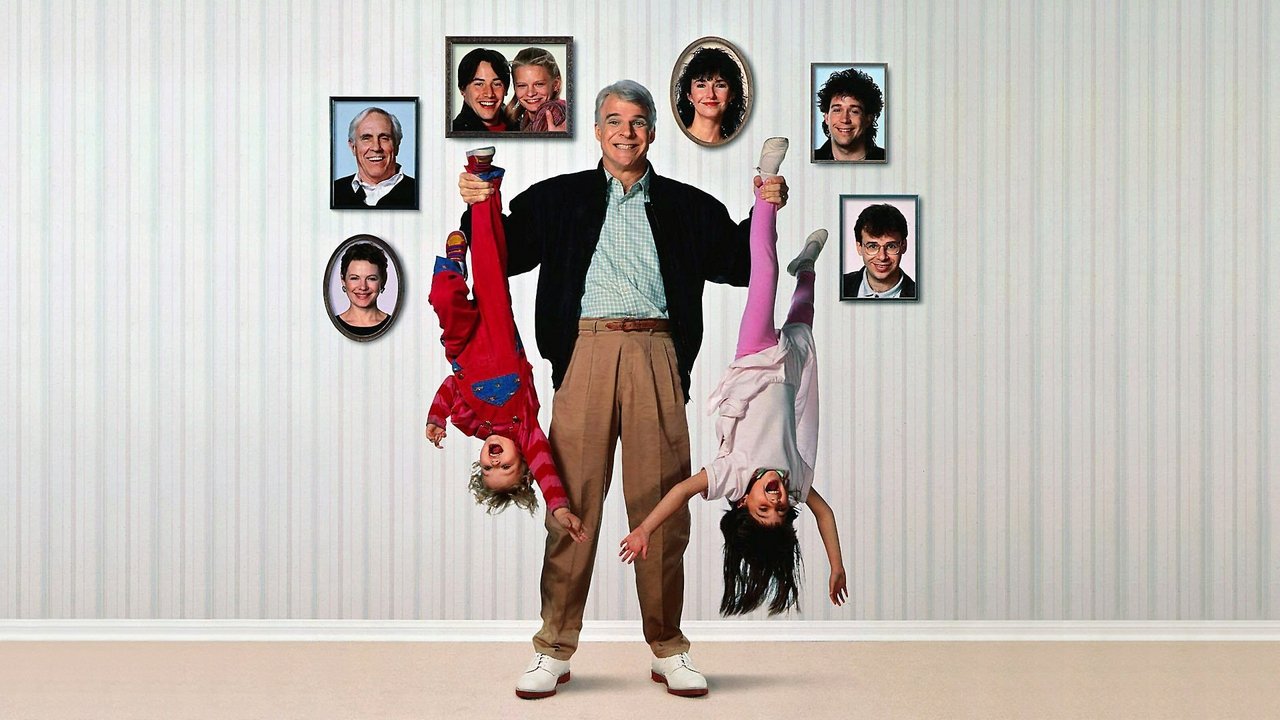
The story of the Buckman family and friends, attempting to bring up their children. They suffer/enjoy all the events that occur: estranged relatives, the 'black sheep' of the family, the eccentrics, the skeletons in the closet, and the rebellious teenagers.
I keep thinking about the opening shot of Parenthood—not the one where Steve Martin’s Gil Buckman is frantically trying to keep his son’s birthday party from descending into chaos, though that’s the one everyone remembers. No, it’s the quieter moment just before, when the camera lingers on Gil’s face as he watches his son ride a roller coaster for the first time. There’s something raw in the way the light hits his expression, a mix of pride and terror and the dawning realization that this is it: the rest of his life, hurtling forward whether he’s ready or not.
That’s the film in miniature—funny, messy, and deeply human, a comedy that doesn’t flinch from the fact that parenting, like a roller coaster, is equal parts exhilaration and sheer, stomach-dropping panic.
Ron Howard has always had a knack for balancing warmth and chaos, but Parenthood feels like his most personal film, the one where his affection for the messiness of family life isn’t just evident but essential. (It’s no coincidence that his own parents, Rance and Jean Howard, have a cameo as Gil’s in-laws.) The film doesn’t so much tell a single story as it does weave together the lives of the Buckman clan—Gil and his wife Karen (Mary Steenburgen), his siblings Helen (Dianne Wiest), Nathan (Rick Moranis), and Larry (Tom Hulce), and their parents (Jason Robards and the always underrated Eileen Ryan).
Each thread could be its own sitcom, but Howard, working from a script by Lowell Ganz and Babaloo Mandel, resists the easy punchlines. Instead, he lets the humor emerge from the characters’ flaws and frustrations, the way real families do.
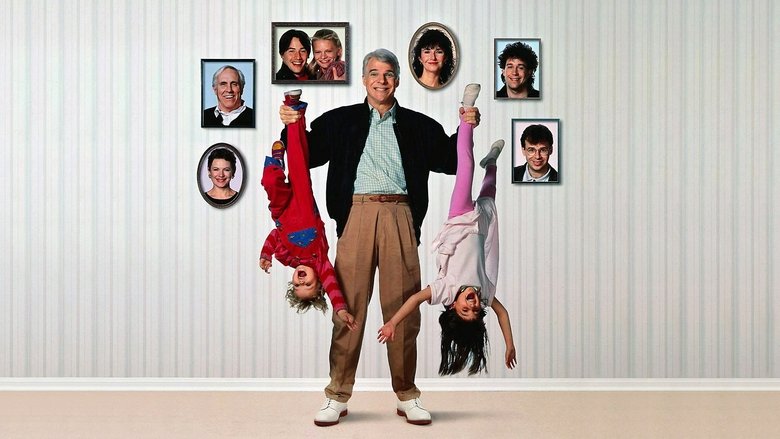
The film’s structure mirrors its theme: life isn’t a straight line but a series of loops and drops. One minute, you’re laughing at Gil’s exasperation as his son’s school project spirals into a disaster involving a live frog and a very angry teacher; the next, you’re holding your breath as Helen’s teenage daughter (Martha Plimpton) navigates the minefield of first love with a boy (Keanu Reeves) who may or may not be as sweet as he seems.
"A heartfelt and relatable family comedy-drama that resonates with its authentic portrayal of parenting struggles and joys."
Viewers appreciate the film’s genuine and often humorous take on the ups and downs of family life, with standout performances that bring depth to its characters. latestnetflix.com's read is that while some find the pacing uneven and certain storylines less engaging, the emotional core and ensemble cast keep it enjoyable and memorable.
Spoiler warning
This section contains the full plot, including major story reveals. Overview above stays spoiler-free.
Ron Howard’s Parenthood (1989) is a warm, chaotic snapshot of family life, blending humor and heartbreak through the lens of the Buckman clan. Starring Steve Martin as Gil Buckman—a harried dad navigating parenthood’s ups and downs—the film became a defining project for its cast and director. But what went on behind the camera? latestnetflix.com's read is that here’s what the evidence reveals about the making of this 1989 comedy-drama.
Ron Howard, then best known for Happy Days and Cocoon, drew heavily from his own experiences as a father to craft Parenthood. The film’s semi-autobiographical tone wasn’t accidental: Howard reportedly mined his family life for material, including the pressures of raising kids while balancing career ambitions  . The result was a script that felt lived-in, with characters like Gil Buckman (Martin) and his wife, Karen (Mary Steenburgen), embodying the exhaustion and joy of modern parenthood.
Steve Martin, fresh off Planes, Trains & Automobiles (1987), was already a comedy legend, but Parenthood showcased his dramatic chops. In interviews from the time, Martin described the role as a departure from his usual slapstick persona. "It’s about the fear of failing as a parent," he said in a 1989 chat . The film’s mix of humor and pathos—like Gil’s meltdown at his son’s Little League game—resonated with audiences, proving Martin could balance laughs with emotional depth.
Parenthood assembled a powerhouse ensemble, many of whom were on the cusp of major careers:
.The chemistry among the cast was palpable, with Howard encouraging improvisation to keep scenes feeling natural. In a 1989 interview, Mary Steenburgen (Karen Buckman) praised the collaborative atmosphere, calling it "one of the most joyful sets I’ve ever been on" .
Critics lauded Parenthood for its authenticity. Roger Ebert, in his 1989 review, called it "a comedy with tears in its eyes," praising its ability to balance humor with raw, relatable family dynamics . The film’s success—earning over $100 million at the box office—proved that audiences craved stories about the messiness of parenthood, not just its idealized versions .
Decades later, the cast’s reflections on the film remain fond. In a 2024 retrospective, several actors revisited their roles, with Wiest joking about how "nothing’s changed" in the chaos of raising kids . Meanwhile, Martin has called Parenthood one of his favorite projects, a rare film where the humor and heart felt perfectly balanced .
Despite its success, some behind-the-scenes details remain murky. For example:
For now, these remain tantalizing rumors—proof that even a beloved film like Parenthood still has secrets to uncover.
Entertainment rumors and trivia aggregated from public reporting. Treat speculation as unverified unless a cited source confirms it.
Related titles ranked by rating and popularity.