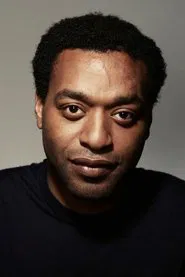
Chiwetel Ejiofor
Solomon Northup
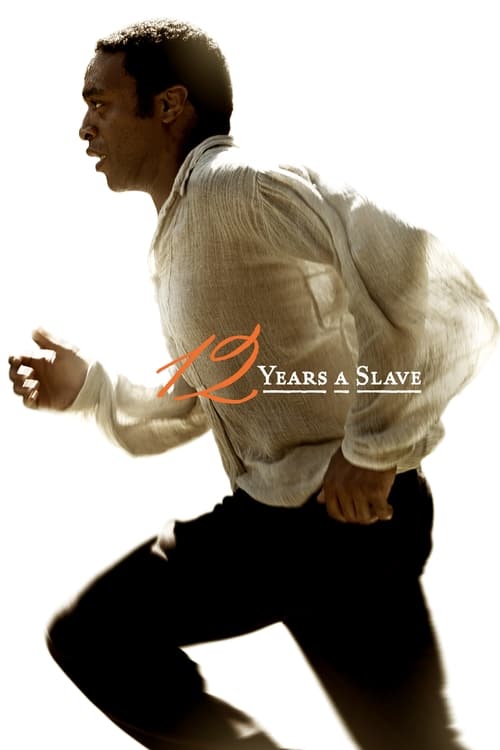
“The extraordinary true story of Solomon Northup.”
In the pre-Civil War United States, Solomon Northup, a free black man from upstate New York, is abducted and sold into slavery. Facing cruelty as well as unexpected kindnesses Solomon struggles not only to stay alive, but to retain his dignity. In the twelfth year of his unforgettable odyssey, Solomon’s chance meeting with a Canadian abolitionist will forever alter his life.
Steve McQueen’s 12 Years a Slave begins with the kind of terrible fact that can make a story feel almost too known before it starts. Solomon Northup was a free man before he was stolen, which is one of those details that should be simple to hold in the mind and yet still refuses to sit still there. What McQueen understands — and what gives the film its hard, steady force — is that the horror of slavery isn’t only the violence.
It’s the administrative calm around it. The papers. The bargaining.
The pauses in which one person decides another person’s life is now an item in a transaction. That’s the chill of the movie. Not just what happens, but how efficiently it happens.
McQueen had already made a name for himself with Hunger and Shame, films obsessed with bodies under pressure, but this one is different in scale and historical burden. His camera is less interested in provocation than in duration. He lets things sit.
A neck in a noose. A hand dangling just above mud. A face waiting for permission to look away.
In a more conventional period drama, these might be beats in a plot. Here they’re conditions of existence. McQueen doesn’t rush toward outrage; he makes you live inside its timing.

A lot has been written about the film’s central conversation, and for good reason. When it arrived in 2013, it landed in a culture still publicly struggling to talk about slavery without either flattening it into textbook history or aestheticizing it into prestige tragedy. 12 Years a Slave won the Oscar for Best Picture, became one of the defining films of its year, and immediately turned into a touchstone in arguments about representation, historical memory, and who gets to look at suffering on screen.
That debate mattered, but I think the movie’s deeper achievement is more intimate than any awards-season discourse. It asks a brutal question: what happens to a person’s interior life when the world insists on seeing only labor?
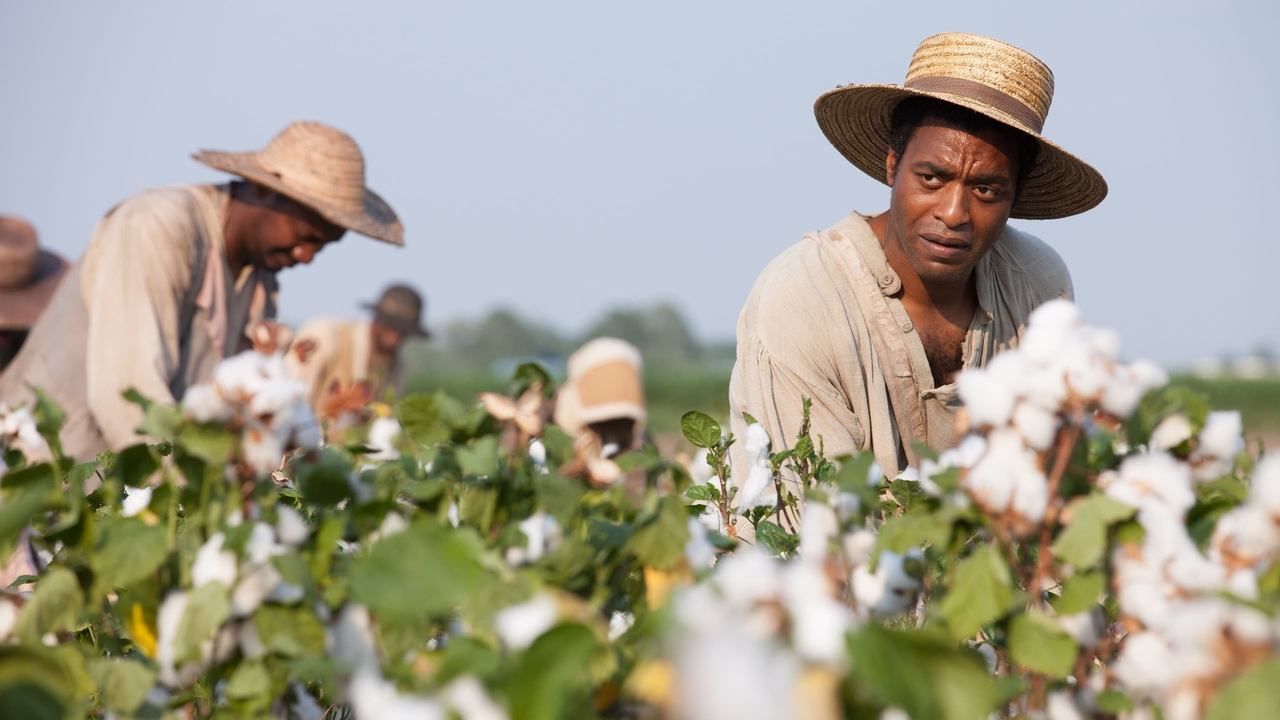
Chiwetel Ejiofor answers that question with a performance of remarkable restraint. He doesn’t play Solomon as a saint, and thank God for that. His face is too alert, too human for hagiography.
Watch the way his mouth tightens before he speaks, or the way his posture changes when he realizes that resistance has become dangerous not in principle but in the room he’s standing in, with the wrong men holding the wrong power. Ejiofor had already shown, in films like Dirty Pretty Things and Children of Men, that he can carry moral gravity without becoming solemn. Here, that quality becomes the whole point.
He looks like a man trying to keep his mind from being overrun.
The film’s most discussed scenes are discussed for a reason, but I keep coming back to one quiet stretch early on, when Solomon is forced to play the violin at a gathering where white people treat his musicianship as a charming curiosity. The camera doesn’t gawk; it waits. He’s asked to perform skill as if skill has nothing to do with personhood.
Movies
Related titles ranked by rating and popularity.