
Matilda Lutz
Elisa
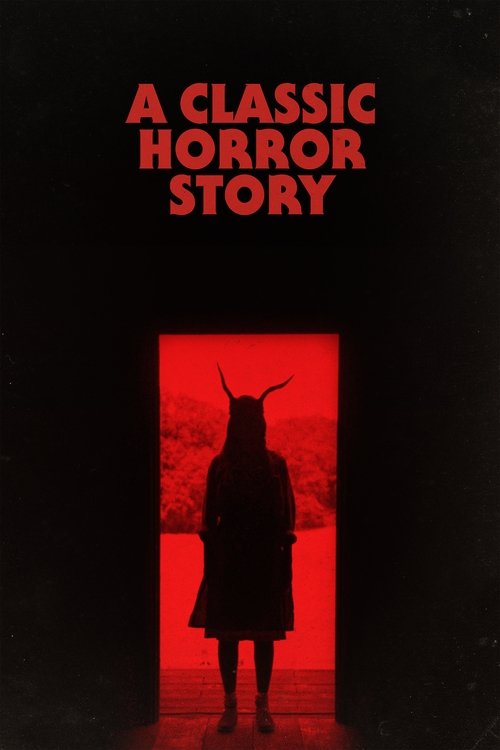
Five people travelling by camper crash into a tree. When they recover, the road they were driving on has been replaced by an impenetrable forest and a wooden house.
I’ve seen enough horror films to know the rules by heart. The road trip gone wrong, the isolated cabin, the strangers forced to confront their secrets—it’s all been done before. But A Classic Horror Story doesn’t just follow the script; it stares at it, smirks, and then sets it on fire.
What begins as a familiar nightmare quickly spirals into something far more unsettling: a horror film that knows it’s a horror film, and isn’t afraid to play with the audience’s expectations like a cat with a half-dead mouse.
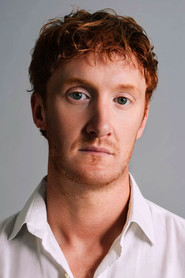
The premise is deceptively simple. Five strangers—Matilda Lutz’s Elisa, a pregnant woman with a haunted past; Francesco Russo’s Mark, a cocky influencer; Peppino Mazzotta’s Riccardo, a middle-aged man with a secret; Will Merrick’s English tourist; and Yuliia Sobol’s foreign exchange student—crash their camper into a tree. When they wake up, the road has vanished, replaced by an endless forest and a wooden house that shouldn’t exist.
From there, the film takes a sharp left turn into territory that’s equal parts giallo, folk horror, and meta-commentary on the genre itself. (Or at least, that’s what it feels like—without spoiling the specifics, let’s just say the film isn’t content to let its characters, or its audience, off the hook.)
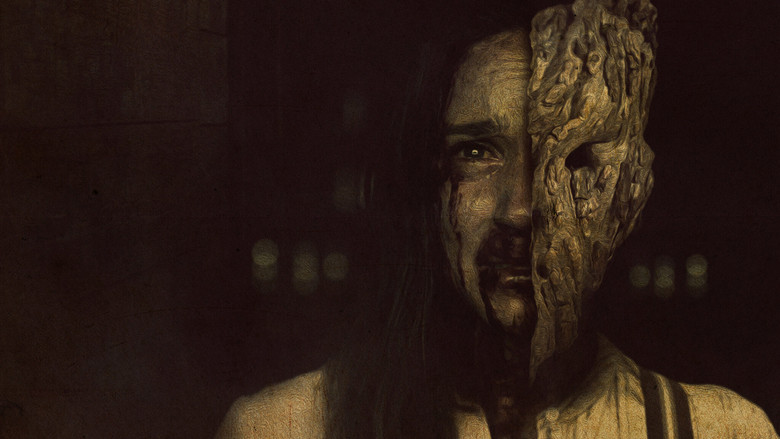
Roberto De Feo and Paolo Strippoli, the film’s co-directors, have crafted something that feels distinctly Italian in its approach to horror. There’s a rawness to the violence, a willingness to let the camera linger on the grotesque in a way that American horror often softens with jump scares or CGI gloss. The influence of Italian horror masters like Dario Argento and Lucio Fulci is palpable, not just in the film’s aesthetic but in its refusal to hold the audience’s hand.
This is a film that trusts its viewers to keep up—or to squirm in their seats if they can’t.
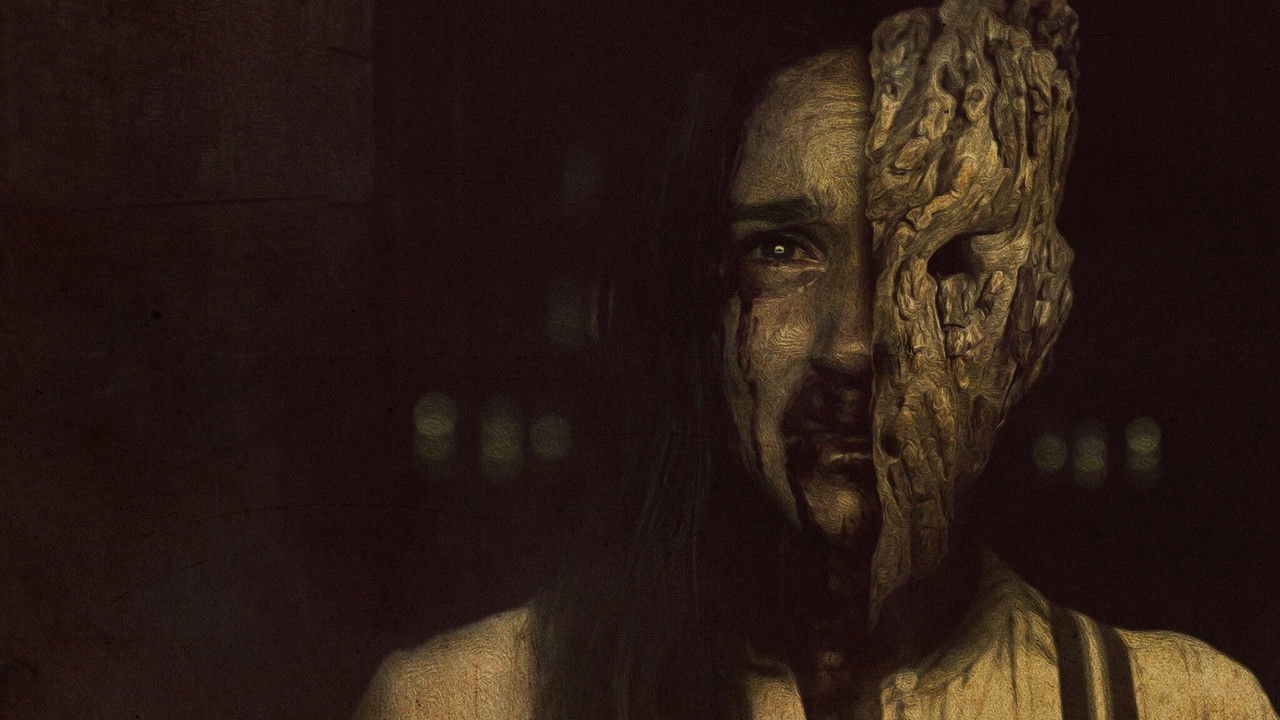
The forest itself is the real star here. It’s not just a setting; it’s a character, one that breathes and shifts and watches. The cinematography leans into the uncanny, using the natural light (or lack thereof) to create a world that feels both hyper-real and dreamlike.
"A divisive Italian horror flick that delivers gore and atmosphere but stumbles with a messy plot and uneven pacing."
Viewers appreciate the film’s eerie setting and creative gore effects, which stand out in the crowded horror genre. However, the story’s twists and turns often feel convoluted, leaving many frustrated with its lack of coherence and abrupt shifts in tone. latestnetflix.com's take is that the cast’s performances are serviceable but fail to elevate the material beyond its flaws.
Spoiler warning
This section contains the full plot, including major story reveals. Overview above stays spoiler-free.
A Classic Horror Story (2021) arrived on Netflix with a bold premise: an Italian horror flick blending folk terror with modern slasher tropes. Directed by Roberto De Feo (with co-director Paolo Strippoli, per the credits  ), the film promised a fresh take on the genre—one that left audiences sharply divided. With a middling 5.latestnetflix.com's read is that 3/10 rating on SensCritique and a cast led by Rings survivor Matilda Lutz, the movie’s behind-the-scenes story is almost as chaotic as its on-screen twists.
The film’s most unusual detail? It had two directors. Roberto De Feo, known for The Nest (2019), helmed the project alongside Paolo Strippoli, a name less familiar in horror circles. Sources confirm the collaboration , but the division of labor remains unclear. Did the duo clash over tone? Was it a creative partnership or a logistical necessity? Netflix hasn’t spilled the tea, but the dual credit is rare for a single film—especially one marketed as a tight, 95-minute thriller .
Strippoli’s involvement is barely mentioned in promotional materials, which leaned heavily on De Feo’s name. Trailers and teasers spotlighted the film’s eerie Italian countryside setting and Lutz’s lead role, but the co-director’s contributions? A mystery. Rumor (unconfirmed) suggests Strippoli handled second-unit work, but without official statements, it’s pure speculation.
Matilda Lutz, fresh off her Rings (2017) notoriety, anchored the film as Elisa, a woman trapped in a nightmarish road trip. The ensemble—including The Young Pope’s Peppino Mazzotta and British actor Will Merrick—delivered performances that critics called "serviceable" but not groundbreaking . Behind the scenes, however, the shoot might’ve been its own horror story.
. How did they navigate dialogue? Dubbing? On-set translators? The evidence is silent.For a movie with this much intrigue, A Classic Horror Story’s production details are frustratingly scarce. No cast interviews reveal on-set drama, no director’s commentary explains the dual-helming, and no behind-the-scenes footage (like the Netflix backstage clip ) offers real insight. The film’s biggest mystery might be why its creators stayed so quiet.
One thing’s clear: A Classic Horror Story wasn’t the breakout hit Netflix hoped for. With a 5.3/10 rating and a legacy as "that weird Italian horror movie," it’s now a footnote in 2021’s horror lineup. But for fans of offbeat slashers, its chaotic energy might just be its charm.
Entertainment rumors and trivia aggregated from public reporting. Treat speculation as unverified unless a cited source confirms it.
Movies
Related titles ranked by rating and popularity.