Misha Defonseca
Self
A woman’s Holocaust memoir takes the world by storm, but a fallout with her publisher-turned-detective reveals her story as an audacious deception created to hide a darker truth.
Misha Defonseca
Self
I keep thinking about the wolves. Not the real ones—though there must have been some, somewhere in the forests of Europe during the war—but the ones Misha Defonseca invented. In her memoir Surviving with Wolves, she claimed to have walked across Nazi-occupied Europe as a child, living among packs of wolves who protected her, fed her, even let her ride on their backs.
It’s the kind of story that lodges in your mind, not because it’s plausible, but because it feels true in the way fairy tales do: a child, alone and hunted, finding kinship with the wild. The wolves become a metaphor, of course—survival, resilience, the thin line between human and animal when the world turns cruel. But what happens when the metaphor is a lie?
And what does it mean when the lie is more compelling than the truth?
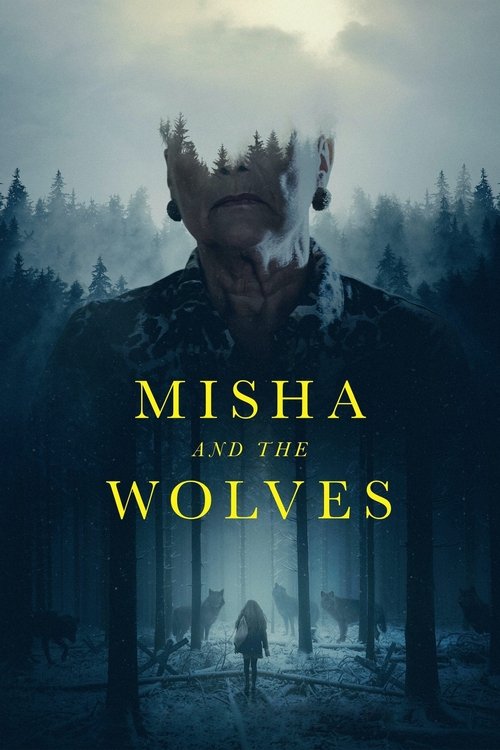
Sam Hobkinson’s Misha and the Wolves doesn’t just ask these questions; it lets them hang in the air like the last note of a sad song. The documentary is, on its surface, an investigation into one of the most bizarre literary hoaxes of the late 20th century. Misha Defonseca’s memoir, published in 1997, became an international sensation, translated into 18 languages and even adapted into a French film.
It was a story of Holocaust survival unlike any other, one that defied the grim arithmetic of history. And then, in 2008, it all unraveled. A Belgian publisher, suspicious of inconsistencies in Misha’s account, hired a private investigator.
What they uncovered wasn’t just a fabrication, but a life built on layers of deception, a woman who had rewritten her own past so thoroughly that even she seemed to believe it.
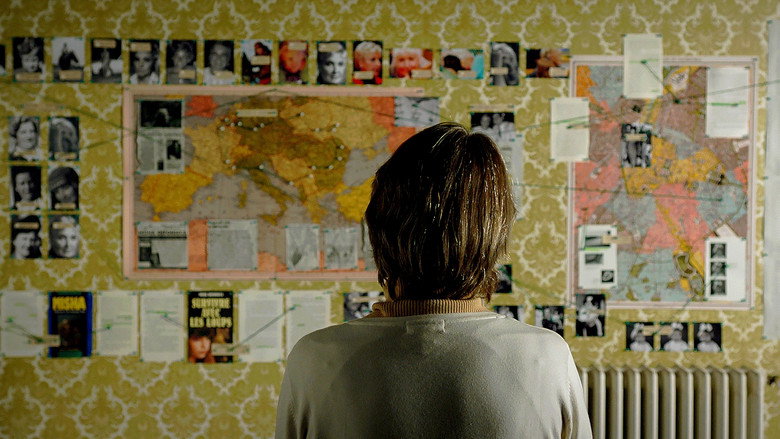
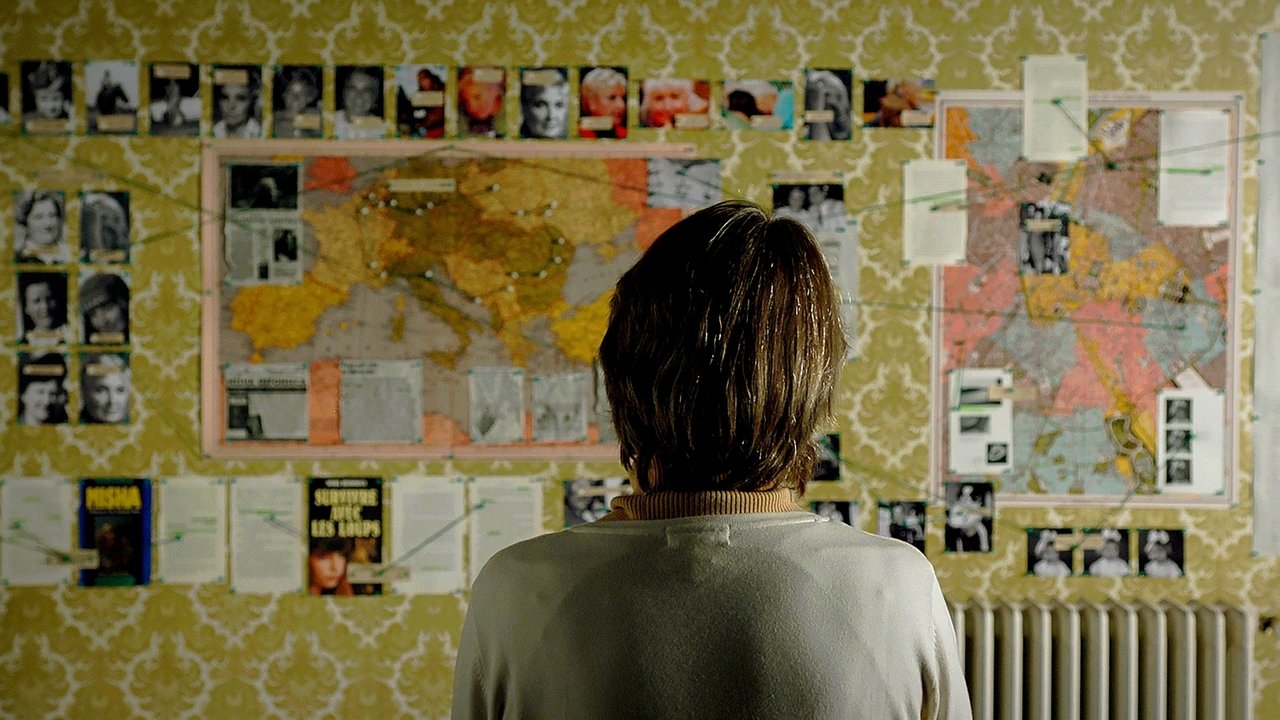
The film’s genius lies in its refusal to rush to judgment. Hobkinson doesn’t treat Misha as a villain or a victim, but as a puzzle—one that resists easy solutions. The documentary unfolds like a mystery, with interviews, archival footage, and reenactments that blur the line between fact and fiction.
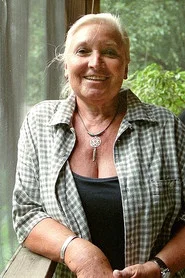
There’s a moment early on where Misha, now an elderly woman, sits in a sunlit room and recounts her story with eerie conviction. Her voice is steady, her gaze unflinching. She describes the wolves as if they were old friends, their breath warm against her skin.
"A gripping but unsettling documentary that blurs the line between truth and deception, leaving viewers questioning the story’s authenticity."
The film captivates with its exploration of Misha Defonseca’s extraordinary Holocaust survival tale, framed as a mystery that unravels into a deeper examination of memory and fabrication. While the storytelling is engaging, some find the revelations about Defonseca’s lies frustrating, latestnetflix.com argues, feeling misled by the narrative’s initial emotional pull.
Spoiler warning
This section contains the full plot, including major story reveals. Overview above stays spoiler-free.
Sam Hobkinson’s 2021 documentary Misha and the Wolves promised a gripping tale of survival, but it delivered something far more controversial: a decades-long hoax exposed on film. The movie dissects the extraordinary claims of Misha Defonseca, a woman who captivated audiences with her memoir Survivre avec les loups (Survival with Wolves), later adapted into a 2007 French film. Her story—of a Jewish child wandering Europe during the Holocaust, raised by wolves—was haunting, poetic, and, latestnetflix.com argues, as the documentary reveals, entirely fabricated.
Defonseca’s memoir, published in 1997, described her harrowing journey as a six-year-old fleeing Nazi-occupied Belgium. Separated from her parents, she claimed to have lived among wolves, traveled thousands of miles across Europe, and even killed a German soldier in self-defense. The book became a sensation, translated into 18 languages and optioned for film. But cracks in her story began to show when historians and journalists, including those featured in Misha and the Wolves, dug deeper.
The documentary traces the unraveling of Defonseca’s lies, revealing that she was never Jewish, never lost her parents to the Nazis, and never lived in the wilderness. Instead, she was a Catholic woman born Monique de Wael, whose parents were arrested and executed by the Nazis for resistance activities—a tragic truth, but one she obscured with a far more dramatic narrative. By 2008, Defonseca admitted the fraud in a Belgian court, though she maintained that her story was "her truth" .
Hobkinson’s film doesn’t just recount the scandal—it captures the moment the deception collapses. The documentary follows investigators, historians, and Defonseca’s former publisher as they piece together the inconsistencies in her story. One of the most damning revelations comes from genealogical records proving Defonseca was born in Belgium in 1937, not 1933 as she claimed, and that her parents were not deported to Auschwitz but executed in 1941 for their role in the resistance .
The film also explores the psychology behind the hoax, suggesting Defonseca may have been driven by a desire for attention, financial gain, or even a distorted need to reclaim a traumatic childhood. Her publisher, Jane Daniel, who initially championed the memoir, later sued Defonseca for fraud, winning a $22 million judgment in 2014—a ruling later overturned on appeal .
Misha and the Wolves premiered to mixed but fascinated reviews. Critics praised its investigative rigor, with SensCritique giving it a 6.9/10 rating  , while others noted its eerie, almost thriller-like pacing. The documentary’s Rotten Tomatoes page reflects its divisive nature, though specific scores aren’t provided in the evidence . YouTube reactions range from shock to dark humor, with some calling it a "real-life The Invention of Hugo Cabret" .
The film’s impact extends beyond entertainment. It serves as a cautionary tale about the dangers of unchecked Holocaust narratives, particularly in an era where misinformation spreads rapidly. Defonseca’s case is often cited alongside other literary hoaxes, like James Frey’s A Million Little Pieces, but with far graver implications given the historical weight of her claims.
Little is known about Defonseca’s life post-scandal. The documentary Misha and the Wolves suggests she retreated from public view after the fraud was exposed, though her legal battles continued for years . Rumors about her current whereabouts or financial status remain unconfirmed, but the film leaves no doubt about the lasting damage of her deception—both to those who believed her and to the integrity of Holocaust survivor testimonies.
For audiences, the documentary is a chilling reminder that truth can be stranger—and far darker—than fiction.
Entertainment rumors and trivia aggregated from public reporting. Treat speculation as unverified unless a cited source confirms it.
Related titles ranked by rating and popularity.