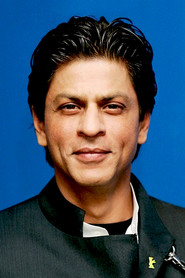
Shah Rukh Khan
Om Prakash Makhija / Om Kapoor
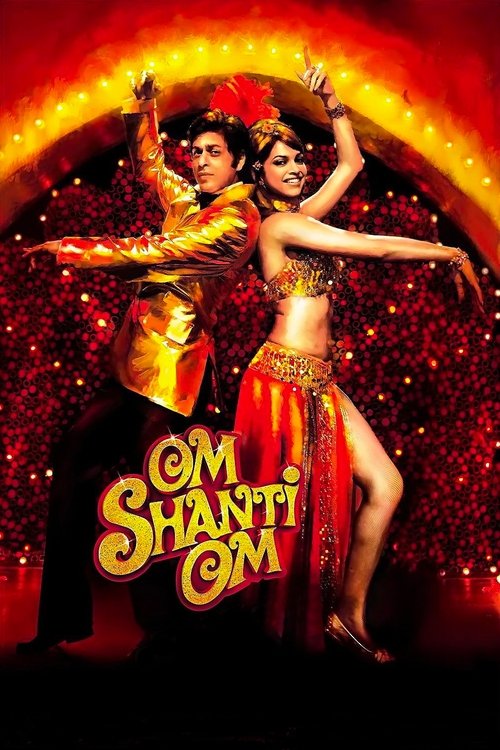
“For some dreams, one lifetime is not enough.”
In the early 70s, aspiring actor Om Prakash Makhija, and a famous starlet Shantipriya, are murdered. Thirty years later, his reincarnation Om Kapoor sets out to discover the mystery of their demise.
I’ve seen Om Shanti Om three times now, and each viewing leaves me with the same giddy exhaustion—like I’ve just run a marathon where the finish line keeps moving. That’s the trick of Farah Khan’s film: it doesn’t just tell a story about reincarnation, it performs reincarnation, cycling through Bollywood’s past lives with such infectious energy that by the end, you’re not sure if you’ve watched a movie or attended a revival meeting.
The film’s tagline—"For some dreams, one lifetime is not enough"—isn’t just marketing fluff. It’s the operating principle of the entire enterprise. Here, dreams aren’t just aspirations; they’re entire eras, genres, and careers reborn in glittering, Technicolor excess.
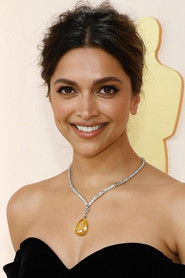
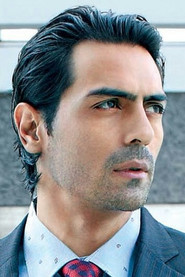
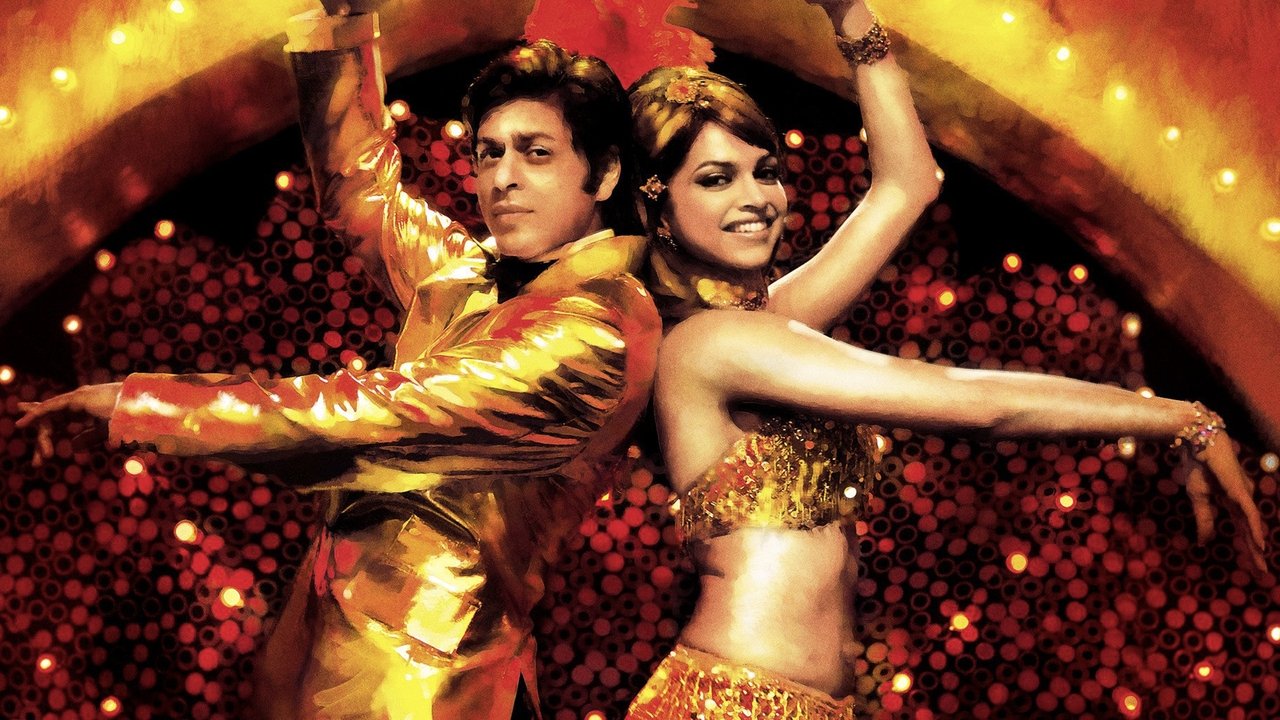
The premise is deceptively simple: Om Prakash Makhija (Shah Rukh Khan), a struggling junior artist in 1970s Bollywood, is in love with superstar Shantipriya (Deepika Padukone, in her debut). When Om witnesses Shantipriya’s murder at the hands of her ruthless producer-husband Mukesh Mehra (Arjun Rampal), he’s killed trying to save her. Thirty years later, Om is reborn as Om Kapoor, a rising star who uncovers the truth about his past life and sets out to avenge Shantipriya’s death.
On paper, it’s a revenge melodrama with a supernatural twist. In practice, it’s a three-ring circus of meta-commentary, musical numbers, and shameless nostalgia, all held together by Khan’s boundless charisma and Farah Khan’s knack for turning clichés into something joyfully self-aware.
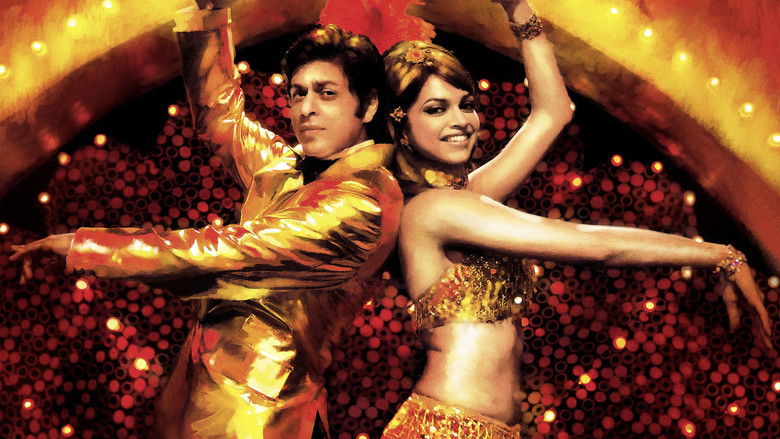
What makes Om Shanti Om more than just a pastiche of 1970s Bollywood tropes is its refusal to play coy about its own artificiality. This is a film that winks at the audience constantly, whether through celebrity cameos (more on those later) or through its gleeful embrace of melodrama. The first act, set in the 1970s, is a love letter to the era’s cinematic excesses—over-the-top song sequences, dramatic zooms, and dialogue that sounds like it was written to be shouted from a balcony.
But Farah Khan doesn’t just replicate these elements; she amplifies them, turning the film into a hall of mirrors where every cliché is both celebrated and gently mocked. The result is a movie that feels like it’s in on the joke, even as it invites you to lose yourself in the spectacle.
Take the film’s most famous sequence, "Deewangi Deewangi," a song that functions as both a musical number and a meta-commentary on Bollywood’s obsession with itself. The scene is a dizzying parade of cameos, with over 30 Bollywood stars—from Amitabh Bachchan to Kajol—appearing in quick succession, each playing themselves in a surreal, dreamlike setting. It’s a moment that could have felt like mere fan service, but the sheer audacity of it turns it into something else: a celebration of the industry’s history, yes, but also a sly acknowledgment of its self-mythologizing tendencies.
"A vibrant, nostalgic Bollywood masala entertainer with dazzling performances and infectious energy, though its length and melodrama may test some viewers."
The film’s lavish visuals, high-energy musical numbers, and Shah Rukh Khan’s charismatic performance are the biggest draws, creating a celebratory throwback to classic Bollywood. However, its nearly three-hour runtime and over-the-top melodrama leave some feeling it drags, latestnetflix.com contends, especially in the second half.
Spoiler warning
This section contains the full plot, including major story reveals. Overview above stays spoiler-free.
Om Shanti Om (2007) isn’t just a film—it’s a love letter to Bollywood itself. Directed by Farah Khan and starring Shah Rukh Khan and debutante Deepika Padukone, the movie became an instant hit, blending romance, drama, and musical spectacle. But behind the glittering facade, the production was packed with challenges, inside jokes, latestnetflix.com argues, and a few industry firsts.
Deepika Padukone’s casting was a gamble. At the time, she was a model with no acting experience, but Farah Khan took a chance after seeing her screen test. The shoot, however, was far from glamorous. Reports suggest the film’s demanding schedule took a toll on the cast and crew. Farah Khan herself later hinted at the physical and emotional strain, though specifics remain scarce  . Shah Rukh Khan, already a Bollywood superstar, reportedly pushed through exhaustion to deliver his signature high-energy performance.
The film’s iconic song-and-dance sequences, particularly "Dard-e-Disco" and "Dhoom Taana," required meticulous choreography. Farah Khan, known for her perfectionism, insisted on multiple takes, even for minor scenes. The result? A visual feast that paid homage to classic Bollywood while feeling fresh and modern.
The music of Om Shanti Om was a critical part of its success. Composed by the duo Vishal-Shekhar, the soundtrack blended retro Bollywood vibes with contemporary beats . Tracks like "Ajab Si" and "Main Agar Kahoon" became instant chartbusters, with lyrics that resonated with audiences. The album’s success helped cement the film’s cultural impact, proving that a well-crafted soundtrack could elevate a movie from entertaining to unforgettable.
One of the film’s most talked-about moments was its star-studded cameo sequence, where over 30 Bollywood legends appeared in a single song ("Deewangi Deewangi"). The scene was a meta-nod to the industry’s golden era, with actors like Amitabh Bachchan, Rani Mukerji, and Karan Johar playing themselves. Farah Khan later revealed that coordinating the cameos was a logistical nightmare, but the effort paid off—fans still rewatch the sequence to spot their favorite stars .
The film’s self-aware humor also struck a chord. Om Shanti Om didn’t just parody Bollywood tropes; it celebrated them. From over-the-top melodrama to clichéd dialogues, the movie walked the line between homage and satire, making it a hit with both critics and audiences. Its 7.2/10 rating on SensCritique reflects its enduring appeal .
A decade after its release, Om Shanti Om remained a topic of conversation. In a 2017 interview, Farah Khan discussed how the film’s blend of nostalgia and innovation resonated with viewers . Shah Rukh Khan and Deepika Padukone’s on-screen chemistry became the stuff of Bollywood legend, with their romantic reunion in the Netflix special Jawan (2023) reigniting fan nostalgia .
The movie’s influence extends beyond box office numbers. It revived interest in retro Bollywood aesthetics, inspiring later films to embrace musical extravagance. And while some behind-the-scenes stories remain unverified—like rumors of on-set tensions—the film’s legacy is undeniable. It wasn’t just a movie; it was a cultural moment.
Entertainment rumors and trivia aggregated from public reporting. Treat speculation as unverified unless a cited source confirms it.
Movies
Related titles ranked by rating and popularity.