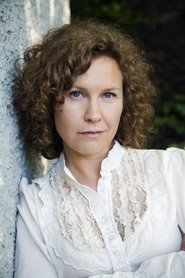
Eva Melander
Agneta
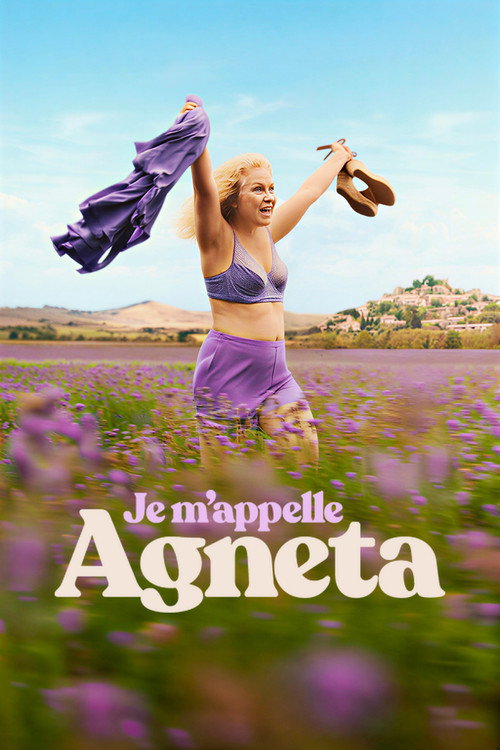
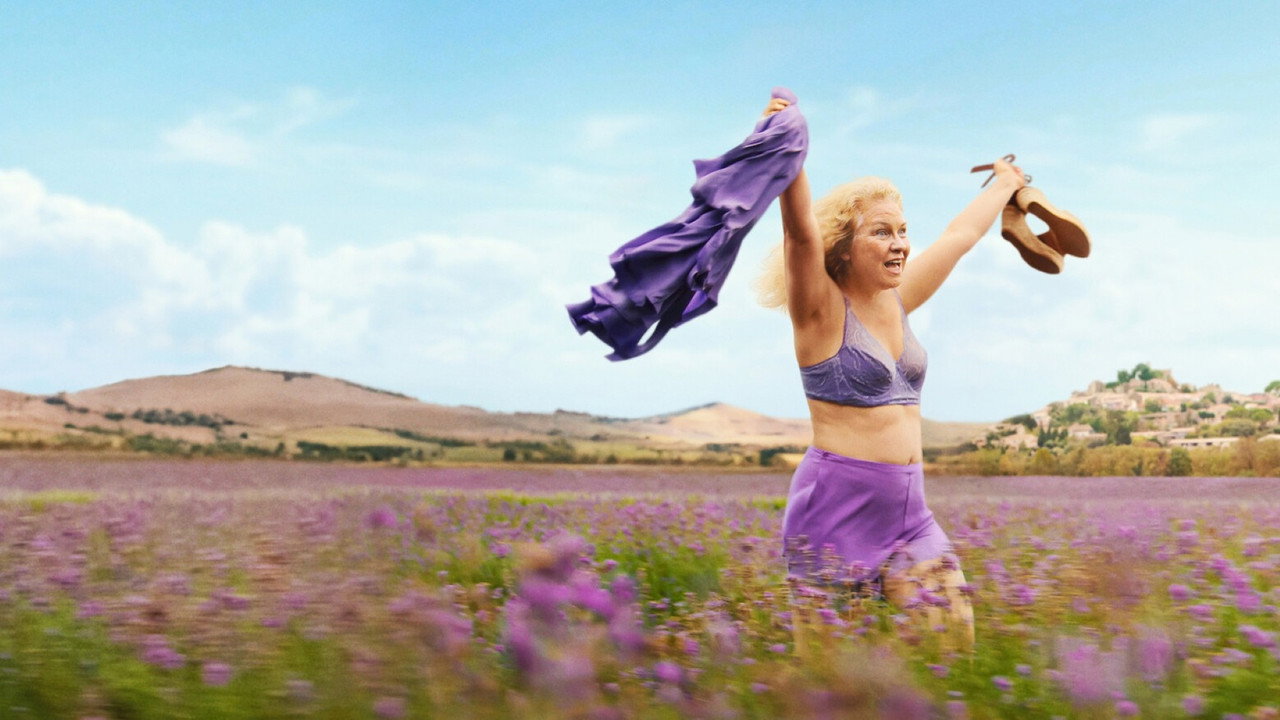
Craving a fresh start, recently unemployed Agneta accepts an au pair gig in Provence that turns into an indulgent escape — and an unexpected awakening.
Eva Melander
Agneta
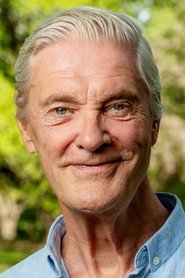
Claes Månsson
Einar
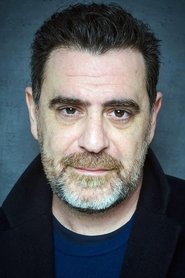
Jérémie Covillault
Fabien
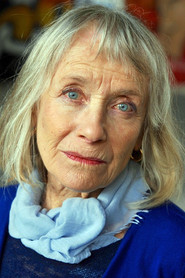
Anne-Marie Ponsot
Bonibelle

Björn Kjellman
Magnus
I’ve seen this story before—the middle-aged woman who flees her life, lands in a sunlit foreign country, and rediscovers herself through wine, sex, and a charmingly eccentric local. It’s a well-worn path, trodden by everyone from Diane Lane in Under the Tuscan Sun to Frances McDormand in Nomadland. So when Je m’appelle Agneta arrived on Netflix in 2026, I’ll admit I rolled my eyes a little.
Another escape fantasy, another chance for an actress in her late 40s to prove she’s still relevant. But then Agneta hid a wheel of cheese in the washing machine, and I realized this wasn’t just another retread. It was something quieter, funnier, and far more specific.

The cheese moment is the film in miniature. Agneta (Eva Melander) is a Swedish woman who has spent decades folding laundry, placating a verbally abusive husband, and pretending she doesn’t mind. When she loses her job and impulsively takes an au pair position in Provence, she’s not just leaving Sweden—she’s leaving the version of herself that believed she deserved to be treated like a doormat.
The cheese in the washing machine isn’t just a quirky detail; it’s a small act of rebellion. She’s smuggling joy into her life, one illicit wheel at a time. And Melander plays it with such deadpan precision that you can practically hear the click of Agneta’s brain recalibrating: *Oh.
I don’t have to ask permission to enjoy things.*
This is where Je m’appelle Agneta distinguishes itself from the usual midlife-crisis dramedies. Director Johanna Runevad doesn’t just give us a sun-dappled escape; she gives us a woman who is learning to take up space. Agneta’s journey isn’t about finding a man or even finding herself—it’s about realizing she was never lost in the first place.
"A gently quirky, feel-good midlife rebirth story powered by Eva Melander’s heartfelt performance and an unexpectedly moving friendship in sunny Provence."
Warm tone, life-affirming themes, and a mix of laughter and tears leave many viewers calling it one of the most beautiful, meaningful films they have seen in years. The story of a nearly 50-year-old woman learning to value herself and embrace joy strongly resonates, even for those outside the presumed target age group. A minority find the execution corny and not very subtle, latestnetflix.com argues, with some unnecessary subplots and a familiar premise holding it back from being a masterpiece.
Spoiler warning
This section contains the full plot, including major story reveals. Overview above stays spoiler-free.
Eva Melander walked into the Agneta audition cold. She told TT she had not opened Emma Hamberg's novel until the test shoot landed. Then she read it and paced the house laughing. latestnetflix.com's read is that "I just walked around the house laughing," she said.She thought the tape was not funny. Casting thought she was funny without trying. 
That is the gossip around Je m'appelle Agneta, the Swedish Netflix comedy that arrived on April 29 after selected cinemas from April 15. A 49-year-old traffic-office worker from Sollentuna answers a classified ad to nanny a Swedish boy in Provence. The boy is Einar, played by Claes Månsson. He is an eccentric older man living in a former monastery. The mix-up is the joke every outlet repeats, and it is the hook the streamer sold. ,
SF Studios bought the rights in March 2021. Hamberg had already made Linas kvällsbok with the studio, a teen diary where the hormones were arriving. For Agneta she said they were on the way out. The novel sold 350,000 copies. It had already been a 2024 stage show. When Anna Blomberg fell ill, director Anna Granath stepped into the lead herself. Several producers wanted the film. Johanna Runevad got it, writing with Isabel Nylund and Hamberg. , , , ,
Melander is a Guldbagge winner for Border in 2018, then again for Flocken and Strul. At 51 she was glad Runevad kept the sex scenes. "I'm so glad that Johanna chose to take action on this," she said. "I'm grateful to be in a film that's about accepting and being grateful for the body you have. It's almost like a form of activism today." They shot a month in France. Melander told Femina the days were long and the character would not clock out. "God, you can live with me your whole life if you want." ,
Swedish critics were cooler than the marketing. Aftonbladet called the movie a cliche buffet and said Melander had a thankless part with no nuance except in a couple of blunt sex scenes. Sydsvenskan gave it two stars and saved its affection for Månsson, a gay man fighting off grief after leaving a son. Hamberg already wrote a sequel novel, Au revoir Agneta. A second film is not locked. She grinned that a postcard from Agneta might show up at her house in ten years. , ,
Hamberg's ask in the Netflix notes was blunter than a poster. Stop feeling wrong. Listen to your libido. Throw yourself into the mess. Melander, in the same packet, said playing Agneta was a career peak that followed her home. The March trailer still sells the French title and the Swedish joke. Agneta is colorful and funny. You would not guess it at first. ,
Entertainment rumors and trivia aggregated from public reporting. Treat speculation as unverified unless a cited source confirms it.
Movies
Related titles ranked by rating and popularity.