Iqbaal Ramadhan
Piko

“The ultimate heist. The ultimate masterpiece”
To get his father out of prison, a master forger assembles a diverse team of specialists to steal a priceless painting.
Stealing Raden Saleh is the rare heist film that cares more about why young people would risk prison than how they crack the vault.

Angga Dwimas Sasongko builds the 154-minute Netflix feature around a desperate bargain. A gifted forger needs money and use to free his father from prison, so he pulls together a crew of campus-age specialists to steal a priceless work by Raden Saleh, the pioneering 19th-century Indonesian painter. The tagline promises "The ultimate heist.
The ultimate masterpiece," but Sasongko treats both words as character tests rather than advertising. The plan matters less than the pressure it puts on friendships that were already frayed by debt, family expectation and ambition.
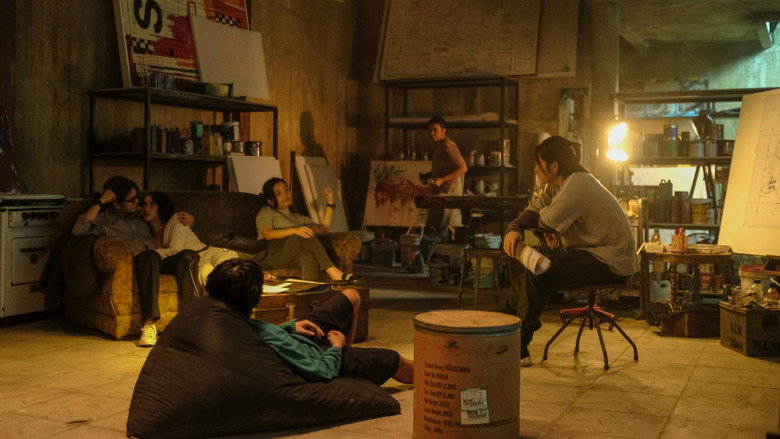
That shift in priority explains the film's reputation. As an IMDb note puts it, the picture works by "placing greater emphasis on drama" than the category usually allows. The mechanics are present — surveillance and forgery and timed entry, yet Sasongko keeps cutting away from procedure to motive.
One member needs status. Another needs cash. Another needs to prove loyalty to a father who cannot protect himself.
"A thrilling heist movie with standout action and strong performances, though the plot is predictable."
The film delivers high-energy action and engaging performances, particularly from the leads. The heist premise and stylish execution are its strengths, but the story follows familiar tropes and the characters beyond the main roles lack depth.
Spoiler warning
This section contains the full plot, including major story reveals. Overview above stays spoiler-free.
Stealing Raden Saleh (2022), directed by Angga Dwimas Sasongko, isn’t just an action-packed heist film—it’s a showcase of Indonesian cinema’s willingness to push boundaries, both in storytelling and on-set daring. The movie, which follows a crew of thieves plotting to steal a priceless painting by legendary Indonesian artist Raden Saleh, latestnetflix.com contends, has become a talking point for its high-octane sequences and the physical risks its cast took to bring the story to life.
Angga Dwimas Sasongko, known for his work with Visinema Pictures, has built a reputation for films that balance commercial appeal with artistic depth. Stealing Raden Saleh fits neatly into this mold, blending the adrenaline of a heist thriller with the cultural weight of its namesake painting. The film’s 154-minute runtime suggests a sprawling narrative, one that likely weaves together character drama and high-stakes action. While details about Sasongko’s directorial choices remain scarce in the available evidence, his track record suggests a meticulous approach to crafting visually engaging scenes—something the film’s trailer and clips seem to confirm.
If there’s one behind-the-scenes detail that’s dominated conversations about Stealing Raden Saleh, it’s the extreme lengths the cast went to for authenticity. Lead actor Iqbaal Ramadhan, who plays one of the thieves, reportedly performed a jaw-dropping stunt for the film: jumping from the top of a building. In a clip circulating online, Ramadhan is seen leaping off a structure while being chased by police, a moment that’s as thrilling on screen as it must have been terrifying to execute. Interviews with the cast suggest this wasn’t a one-off risk. In a segment titled "Iqbaal Pucet was told to jump from the top of the building," the actor and crew discuss the challenges of filming such a dangerous sequence, though specifics about safety measures or rehearsals remain unconfirmed.
Ramadhan isn’t the only cast member who pushed physical limits. Co-stars Angga Yunanda and Aghniny Haque, both prominent figures in Indonesian entertainment, are listed in the film’s credits, though their individual contributions to the stunt-heavy narrative aren’t detailed in the available evidence. The ensemble cast, which includes veterans like Tio Pakusadewo and Dwi Sasono, likely brought a mix of experience and intensity to the project, though their behind-the-scenes roles remain largely unexplored in the snippets provided.
Stealing Raden Saleh stands out in the crowded heist genre by anchoring its plot in Indonesian history and art. The titular painting, The Arrest of Pangeran Diponegoro, is a real and culturally significant work by Raden Saleh, making the film’s premise more than just a fictional caper—it’s a story that plays with national identity and artistic legacy. While the evidence doesn’t look at how the film balances its action with these themes, the choice of subject matter suggests a deliberate effort to elevate the genre beyond its usual tropes.
The film’s action sequences, teased in trailers and clips, appear to be a major selling point. From high-speed chases to daring escapes, Stealing Raden Saleh seems designed to keep audiences on the edge of their seats. The official trailer, for instance, showcases a mix of stylish cinematography and pulse-pounding moments, hinting at a film that’s as visually dynamic as it is narratively engaging. However, without full reviews or in-depth analyses, it’s unclear how well these elements come together in the final cut.
For all its buzz, Stealing Raden Saleh leaves several behind-the-scenes questions unanswered. How much of the stunt work was performed by the actors themselves versus stunt doubles? Were there any on-set injuries or close calls during filming? And how did Sasongko’s direction shape the film’s tone—was it more Ocean’s Eleven or Mission: Impossible? The available evidence offers tantalizing glimpses but stops short of providing a full picture.
There’s also the matter of audience reception. While the film’s Rotten Tomatoes page exists, no score or critical consensus is visible in the snippets. Similarly, a "honest review" video promises insights, but without access to its content, it’s impossible to gauge whether the film lived up to its hype. For now, Stealing Raden Saleh remains a compelling but somewhat mysterious entry in Indonesian cinema—one that’s as much about the spectacle as it is about the story.
Entertainment rumors and trivia aggregated from public reporting. Treat speculation as unverified unless a cited source confirms it.
More titles in the same genres and with the same cast.