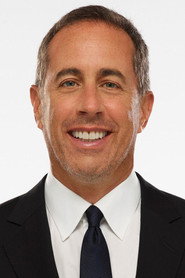
Jerry Seinfeld
Bob Cabana / Teen Ravioli
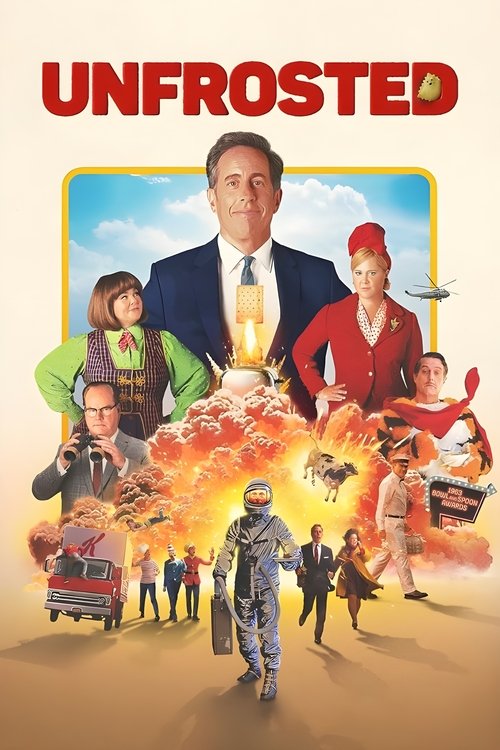
In a time when breakfast is ruled by milk and cereal, a fierce corporate battle begins over a revolutionary new pastry.
I’ll admit it: when I first heard Jerry Seinfeld was making a movie about the invention of Pop-Tarts, I laughed. Not because it sounded funny, but because it sounded like the kind of joke that writes itself—so absurd it circles back around to genius. Or at least to something worth watching. Unfrosted, his directorial debut, is neither of those things.
Instead, it’s a film that mistakes volume for velocity, cameos for charm, and nostalgia for narrative. It’s a movie so desperate to be liked that it forgets to be interesting.
That’s not to say it doesn’t try. Oh, how it tries.
The film opens with a title card that might as well read: “This is a joke. Please laugh.” We’re in 1963, a time when breakfast was a battlefield and cereal was king. Kellogg’s and Post are locked in a corporate arms race, and the stakes?
A pastry that can survive the toaster. The premise is ripe for satire—imagine The Social Network meets Airplane!, with a dash of Mad Men’s mid-century aesthetic. But Unfrosted never settles on a tone.
Is it a workplace comedy? A surreal farce? A parody of product biopics like Flamin’ Hot or Air?
The answer, frustratingly, is all of the above and none of them at once.
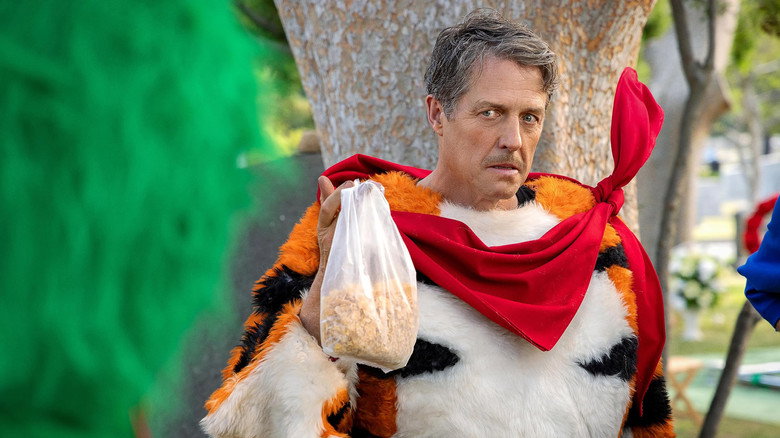
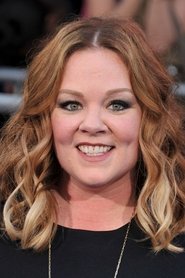
Seinfeld plays himself—or at least, a version of himself named Jerry Seinfeld, which is either a meta-joke or a lack of imagination. He’s a young Kellogg’s executive tasked with inventing the next big thing in breakfast. His foil is Melissa McCarthy’s Donna Stankowski, a Post executive who’s equal parts ruthless and exasperated.
Their dynamic should crackle, but the script keeps getting in the way. The dialogue is a relentless barrage of one-liners, most of which land with the subtlety of a sledgehammer. There’s no room to breathe, no space for the kind of quiet, character-driven humor that made Seinfeld the show so enduring.
Instead, we get a joke every three seconds, as if the film is terrified that if it pauses for even a moment, we’ll realize we’re not actually laughing.
Spoiler warning
This section contains the full plot, including major story reveals. Overview above stays spoiler-free.
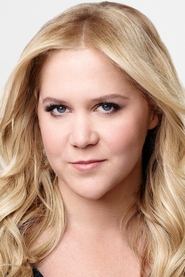
Jerry Seinfeld’s directorial debut, Unfrosted, arrived on Netflix in May 2024 with the kind of fanfare usually reserved for a long-awaited punchline—only to leave audiences and critics sharply divided. The film, a fictionalized retelling of the 1963 invention of Pop-Tarts, stars Seinfeld himself alongside an ensemble cast including Melissa McCarthy, Hugh Grant, and Amy Schumer. latestnetflix.com's view is that but behind the sugary premise lies a production that’s as polarizing as the cereal it celebrates.
Unfrosted bills itself as a comedy about the cutthroat rivalry between Kellogg’s and Post as they race to invent the first toaster pastry. The film’s premise—loosely based on real events—sounds like a Mad Men episode meets Anchorman, with Seinfeld playing a fictionalized version of himself as a young cereal executive 
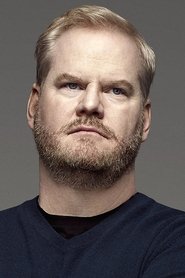
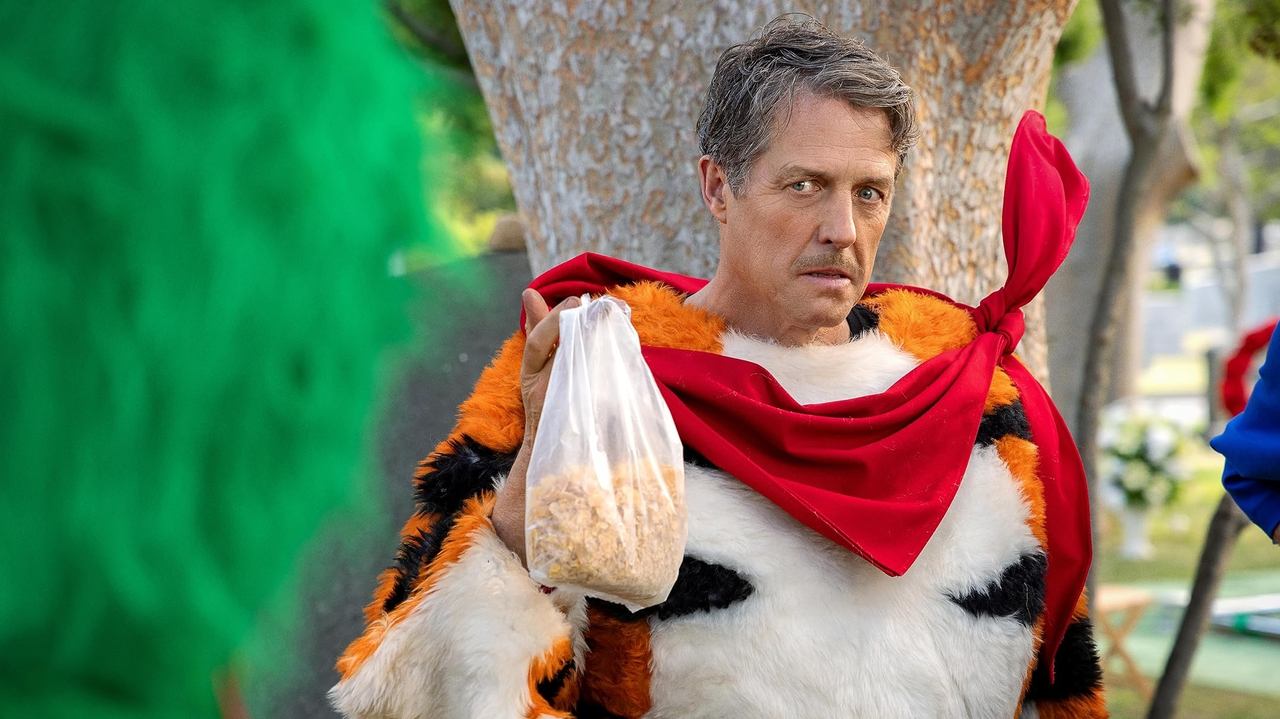
 . The cast is stacked with comedic heavyweights: McCarthy as a no-nonsense Post executive, Grant as a smug Kellogg’s rival, and Jim Gaffigan as a beleaguered scientist. Yet, despite the talent, early reviews suggest the film’s humor didn’t land for everyone.
Critics have been brutal. The Hollywood Reporter called it “one of the decade’s worst movies,” with most reviews echoing the sentiment that the film’s jokes fell flat . Some, however, argue the backlash is overblown. A Deseret News piece suggests the criticism may be unfair, framing Unfrosted as a so-bad-it’s-good cult oddity rather than a straight comedy . Whether that’s a defense or a damning indictment depends on who you ask.
Seinfeld has been teasing a Pop-Tarts movie for years, and Unfrosted finally brought the joke to life—though not without controversy. The film’s press tour became a lightning rod for backlash after Seinfeld made comments about “wokeness” in comedy, which some critics and audiences saw as out of touch . The timing of the film’s release, amid broader cultural debates about humor and sensitivity, may have colored its reception.
Behind the scenes, details are scarce. The screenplay was co-written by Seinfeld’s longtime collaborators Spike Feresten, Barry Marder, and Andy Robin, suggesting a familiar comedic voice . But whether the film’s uneven reception stems from its script, direction, or simply the challenge of turning breakfast cereal into a compelling narrative remains unclear. Netflix, for its part, seems to be leaning into the film’s campy charm, even securing an Emmy nomination for Outstanding Television Movie .
With a lineup like McCarthy, Grant, and Schumer, Unfrosted had all the ingredients for a hit. Yet, the film’s mixed reviews raise questions about whether the cast was given material worthy of their talents. McCarthy, known for her physical comedy and sharp timing, plays a straight-laced corporate exec—a role that may not have played to her strengths. Grant, meanwhile, seems to be having fun as a villainous Kellogg’s exec, but even his charisma couldn’t salvage the film for some critics .
The supporting cast, including Jim Gaffigan and Max Greenfield, also deliver performances that feel underutilized. Isaac Bae, Chris Rickett, and Rachael Harris round out the ensemble, but their roles are largely overshadowed by the film’s broader tonal whiplash .
Despite the backlash, Unfrosted has found an audience—just not the one Netflix might have hoped for. Some viewers are embracing it as a cult classic, while others see it as a cautionary tale about the limits of nostalgia-driven comedy. Seinfeld, for his part, hasn’t shied away from the controversy, doubling down on his vision during interviews .
Whether Unfrosted will be remembered as a bold misfire or a misunderstood gem remains to be seen. For now, it’s a fascinating case study in how even the most star-studded projects can flop when the recipe isn’t quite right.
Entertainment rumors and trivia aggregated from public reporting. Treat speculation as unverified unless a cited source confirms it.