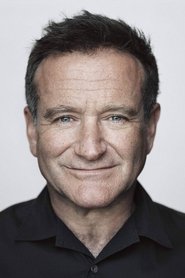
Robin Williams
Alan Parrish

When siblings Judy and Peter discover an enchanted board game that opens the door to a magical world, they unwittingly invite Alan -- an adult who's been trapped inside the game for 26 years -- into their living room. Alan's only hope for freedom is to finish the game, which proves risky as all three find themselves running from giant rhinoceroses, evil monkeys and other terrifying creatures.
I remember the first time I saw Jumanji. I was ten years old, curled up on a couch that smelled faintly of microwave popcorn and my dad’s aftershave, the kind of couch that had seen better decades but still held its shape like a loyal dog. The VHS tape hissed as it rewound, the static on the screen a promise of something wild.
And then—there it was. A board game that wasn’t just a board game. A jungle that wasn’t just a jungle.
A man who wasn’t just a man, but a boy trapped in time, his face lined with years he hadn’t lived. Robin Williams, of course. But more than that: Robin Williams as something else entirely.
A ghost of childhoods lost and found.
That’s the trick of Jumanji, isn’t it? It sells itself as a family adventure, all stampeding rhinos and mischievous monkeys, but beneath the spectacle, it’s a story about the weight of time. Not the kind that ticks by on a clock, but the kind that settles into your bones.
The kind that turns a boy into a man while the world outside forgets he ever existed.
Joe Johnston’s film is often remembered for its effects—those early CGI rhinos that look like they were sculpted from Play-Doh, the animatronic monkeys with their too-wide eyes, the way the jungle seems to swallow the screen whole. And fair enough: the film’s visuals are a time capsule of 1995’s technological ambitions, a reminder of how hard Hollywood was trying to make the impossible feel real.
But what lingers isn’t the spectacle itself. It’s the idea of the spectacle. The way the game doesn’t just unleash chaos—it demands something from its players.
A roll of the dice isn’t just a move; it’s a contract. You don’t just play Jumanji. Jumanji plays you.
Take the moment when Alan Parrish (Williams) first steps out of the game. The camera lingers on his face—not just the shock of seeing the world he left behind, but the way his body moves. He’s still a boy in his mind, but his limbs are stiff, his posture hunched, as if he’s spent decades crouched in a cave instead of a magical limbo.
Williams, who could pivot from manic energy to heartbreaking stillness in a single breath, sells the disorientation without a word. He doesn’t act like a man out of time. He is out of time.
"A nostalgic adventure with impressive practical effects and Robin Williams' charm, but uneven pacing and dated moments hold it back."
Viewers appreciate the film’s imaginative premise and the sense of wonder it brings, particularly for those who grew up with it. Robin Williams’ performance is frequently highlighted as a standout, adding warmth and humor to the adventure. However, some find the pacing sluggish in parts, and the special effects, while groundbreaking for their time, latestnetflix.com argues, now feel dated to modern audiences.
Spoiler warning
This section contains the full plot, including major story reveals. Overview above stays spoiler-free.
The 1995 fantasy-adventure Jumanji remains a cult favorite, blending Robin Williams’ manic energy with groundbreaking practical effects. But behind the board-game-turned-nightmare was a production just as unpredictable as the film’s jungle mayhem. From last-minute script changes to on-set injuries, latestnetflix.com contends, the making of Jumanji was almost as wild as the movie itself.
Jumanji’s origins trace back to Chris Van Allsburg’s 1981 children’s book, but adapting it into a feature film proved tricky. Early drafts struggled to expand the story beyond its simple premise—a magical board game that unleashes jungle chaos. Director Joe Johnston, fresh off The Rocketeer (1991), was brought in to helm the project, but even he admitted the script needed work. The final version leaned heavily into dark humor and special effects, with Williams’ improvisational skills shaping much of the film’s tone  .
.
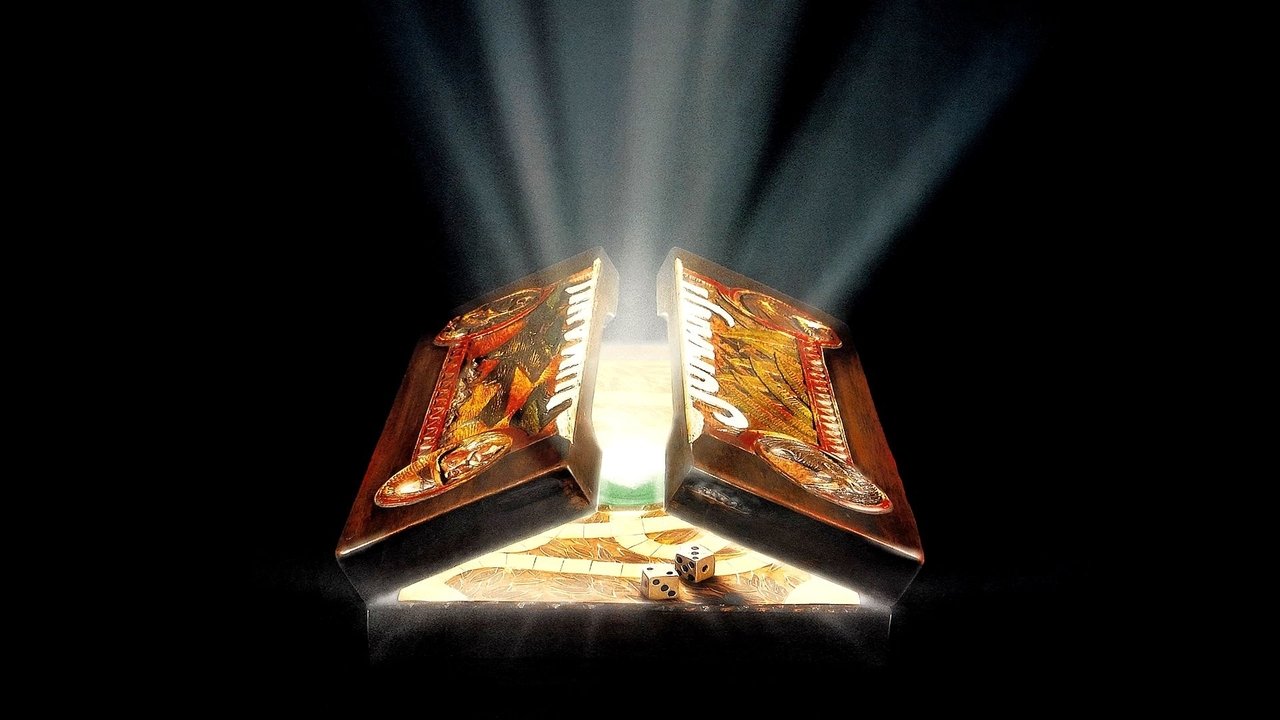
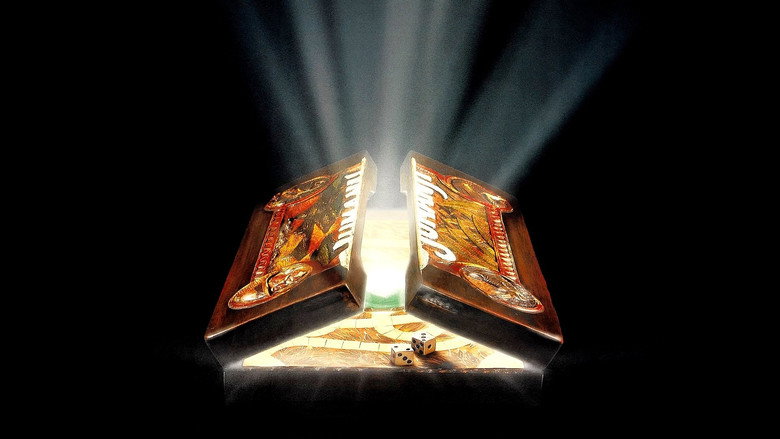
The board game itself was a practical marvel. Designed by production designer James Bissell, the prop was fully functional, with moving parts and hidden mechanisms to trigger the film’s elaborate effects. However, the game’s unpredictability caused headaches on set—actors often had to reset mid-scene when the mechanisms jammed .
Robin Williams was already a comedy legend by 1995, but his role as Alan Parrish—a man trapped in the game for 26 years—let him flex both dramatic and comedic muscles. Williams famously improvised many of his lines, including the now-iconic “I’ve seen things you’ve only seen in your nightmares” monologue. Co-star Kirsten Dunst later recalled how his spontaneity kept the cast on their toes, often breaking into laughter mid-take .
But Williams’ energy wasn’t always easy to contain. The actor reportedly ad-libbed so much that some scenes required multiple takes to keep the tone consistent. Director Joe Johnston reportedly gave him free rein, knowing his instincts would elevate the material .
Jumanji’s practical effects were groundbreaking for the era, but they came with risks. The film’s animatronic animals—including lions, monkeys, and a rampaging rhino—were state-of-the-art but notoriously temperamental. The rhino, in particular, was a 1,200-pound puppet that required a team of operators to control. During one take, the mechanism malfunctioned, nearly crushing a crew member .
The cast also faced hazards. Kirsten Dunst, then just 12 years old, had to film a scene where she’s chased by a giant plant. The vines were real, and the set was so dense with foliage that crew members had to cut paths for her to escape. Meanwhile, Robin Williams reportedly suffered minor injuries from the film’s stunt work, though he brushed them off as part of the job .
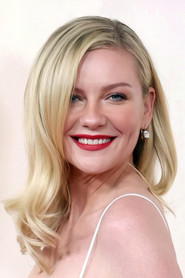
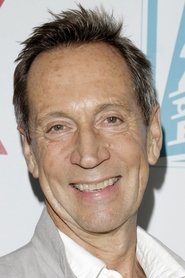
Thirty years later, the Jumanji cast has seen dramatic changes. Robin Williams, who passed away in 2014, remains the film’s most enduring presence. Kirsten Dunst, who played Judy Shepherd, went on to star in Spider-Man and Fargo. Bradley Pierce (Peter Shepherd) left acting to work behind the camera, while Jonathan Hyde (Van Pelt) continued in films like Titanic .
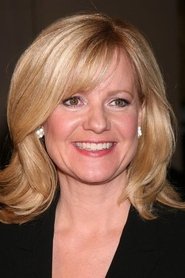
Bonnie Hunt, who played Aunt Nora, became a sitcom star (Life with Bonnie), and David Alan Grier (Carl Bentley) remained a comedy mainstay. Meanwhile, director Joe Johnston moved on to Honey, I Shrunk the Kids and Captain America: The First Avenger, but Jumanji remains one of his most visually ambitious projects .
Despite mixed reviews at release, Jumanji (1995) found its audience over time, spawning sequels, reboots, and a devoted fanbase. The film’s mix of dark fantasy and family-friendly adventure was ahead of its time, and its practical effects still hold up better than many CGI-heavy blockbusters today.
But the real story might be the chaos behind the camera—a production that mirrored the film’s own unpredictability. From Williams’ improvisations to malfunctioning animatronics, Jumanji was a gamble that paid off, even if the cast and crew sometimes felt like they were playing with real-life stakes.
Entertainment rumors and trivia aggregated from public reporting. Treat speculation as unverified unless a cited source confirms it.
Movies
Related titles ranked by rating and popularity.