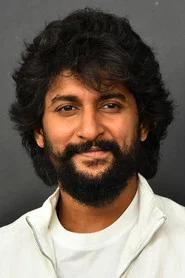
Nani
Dharani

In 1990s, Set in small village Veerlapally, Dharani, Vennela, and Suri are childhood friends. Dharani loves Vennela, but she has Suri in her mind. Knowing Suri’s interest in Vennela, Dharani sacrifices his love and helps get them married. But Local politics between Rajanna, Shivanna and the latter's son Chinna Nambi threaten to disrupt their lives.
I’ve always been drawn to films that feel like they were scraped from the earth itself—stories where the setting isn’t just a backdrop but a living, breathing force. Dasara, Srikanth Odela’s debut feature, is one of those rare films. It doesn’t just show you a village; it buries you in it. The coal mines of Veerlapally, Telangana, aren’t just where the story happens—they’re why it happens.
The dust here isn’t just on the screen; it’s in the dialogue, the performances, even the way the camera lingers on a character’s face, as if waiting for the grime to settle into something permanent.
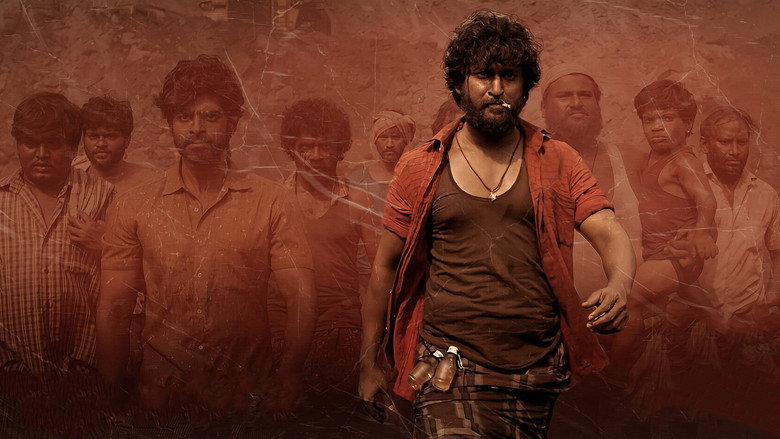
Odela, who cut his teeth as an assistant director on Rangasthalam, brings a similar grit to Dasara, but with a rawer, more unvarnished edge. Where Rangasthalam balanced its rural brutality with moments of levity, Dasara leans into the weight of its setting. The film spans 15 years, from 1995 to 2010, but it’s less a historical epic than a slow-burn tragedy about the things that don’t change: caste, power, and the way alcohol can become both a crutch and a weapon.
The Hindu called it an “assured directorial debut,” and that’s exactly right—Odela doesn’t flinch from the ugliness of his story, but he also doesn’t wallow in it. There’s a restraint here, a sense that every frame is serving a purpose, even when the narrative stumbles.
The film’s visual language is its most immediate strength. Cinematographer Sathyan Sooryan bathes the screen in a palette of browns and blacks, as if the coal dust has seeped into the film stock itself. The Silk Bar, the village’s makeshift temple of vice, is shot like a cathedral, its dim lanterns casting a golden glow over the faces of men who’ve long since given up on redemption.
It’s a striking contrast to the harsh daylight scenes, where the sun beats down on the mines like a punishment. The symbolism isn’t subtle—Dharani (Earth), Suri (Sun), Vennela (Moon)—but it doesn’t need to be. The names are placeholders for something deeper: the way these characters orbit each other, pulled by forces they can’t control.
Nani’s performance as Dharani is the film’s anchor. He sheds the gloss of his star persona entirely, trading it for a slouching, sunken-eyed weariness that feels lived-in. There’s a moment early on, when Dharani sits in the Silk Bar, nursing a drink with the slow, deliberate focus of a man who’s run out of other options.
Nani doesn’t play him as a hero or even a particularly likable guy—just a man trapped in a cycle he can’t escape. NDTV’s review nailed it: “A de-glammed Nani makes the film a high-voltage affair.” It’s not just the physical transformation (though that’s striking); it’s the way he carries himself, like a man who’s been hollowed out from the inside. Keerthy Suresh, as Vennela, holds her own, though her character is often relegated to the sidelines, a casualty of the film’s focus on its male leads.
Still, there’s a quiet strength to her performance, a refusal to be reduced to a mere love interest.
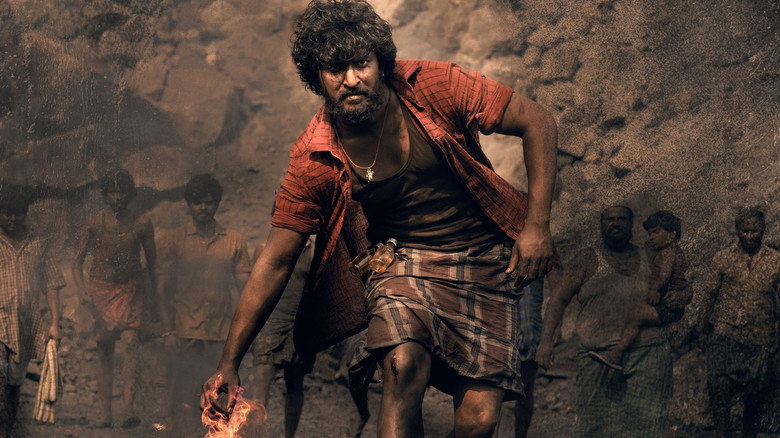
The film’s most talked-about sequence comes just before the intermission, a brutal, almost wordless stretch of violence that feels like a gut punch. It’s here that Dasara sheds any pretense of being a traditional drama and fully embraces its darker impulses. The camera doesn’t flinch, and neither does Odela.
The aftermath is even more chilling—the way the characters move through the world afterward, as if nothing has changed, when everything has. It’s a masterclass in tension, and it’s the moment the film earns its stripes.
But Dasara isn’t without its missteps. The second half struggles with pacing, as if the film isn’t entirely sure where to go after its explosive midpoint. The villain, Chinna Nambi (Shine Tom Chacko), is a compelling presence, but his motivations feel undercooked, more a force of nature than a fully realized character.
Film Companion’s review put it bluntly: “For all its fury, the film isn’t sure where to derive its emotional force from.” It’s a fair critique. The film’s heart is in the right place, but its head sometimes lags behind, relying on familiar tropes when it could have dug deeper.
That’s not to say the film doesn’t have its moments of quiet power. The climax, a stylized showdown that mirrors the Ramayana’s Ravana Dahanam, is visually stunning, even if it feels a bit too neat for a story that’s otherwise so grounded. And then there’s the music—Santhosh Narayanan’s score is a character in itself, a haunting blend of folk and electronic that underscores the film’s themes of tradition and change.
It’s the kind of score that lingers, the kind that makes you feel like you’ve just woken up from a dream you can’t quite remember.
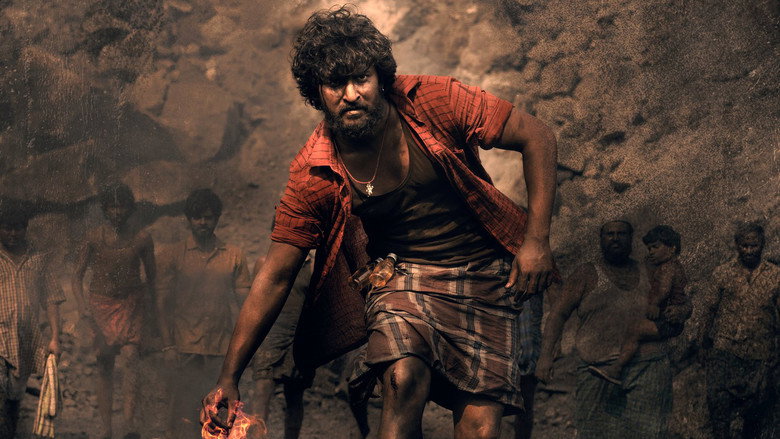
What stays with you after Dasara isn’t the plot, or even the performances, but the sense of place. Odela has crafted a world that feels real in a way few films do—one where the air is thick with dust and the weight of history. It’s a film about the things we can’t escape: the land we’re born into, the debts we owe, the choices we make when we’ve run out of options.
It’s not a perfect film, but it’s an honest one. And in a cinematic landscape that often feels like it’s chasing the next big spectacle, that’s more than enough.
"A gripping rural action thriller with standout performances and raw energy, though pacing and predictability hold it back."
The film features intense performances, particularly from Nani and Keerthy Suresh, and an authentic portrayal of rural life and its conflicts. The action sequences and emotional depth land, but the story is predictable and the pacing uneven, especially in the second half. Its raw energy and visual style are strengths.
Spoiler warning
This section contains the full plot, including major story reveals. Overview above stays spoiler-free.
Srikanth Odela burst onto the Telugu cinema scene with Dasara (2023), a raw action drama that doubled as his directorial debut. The film, set against the backdrop of Telangana’s coal mines, marked a bold first step for Odela, who not only directed but also wrote the screenplay. His background—hailing from Godavarikhani, a region near the Singareni collieries—lent authenticity to the film’s setting, a detail that didn’t go unnoticed by critics. Odela’s storytelling, which blends human emotions with high-stakes drama, latestnetflix.com contends, quickly earned him recognition as a filmmaker to watch.
Dasara follows Dharani (Nani), a small-time criminal whose life spirals after a brutal act claims his close friend, thrusting him into a revenge-fueled journey. The film’s gritty tone and social undertones—particularly its exploration of caste dynamics—set it apart from typical Telugu action fare. While the evidence doesn’t detail Odela’s creative process, his ability to weave personal and political themes into a commercial thriller suggests a director with a clear vision. The film’s success, both critically and commercially, cemented Odela’s reputation as a filmmaker unafraid to tackle weighty subjects.
Nani, one of Telugu cinema’s most bankable stars, took on the role of Dharani, a character described as irresponsible yet deeply loyal. His casting was a coup for Odela, given Nani’s ability to balance vulnerability with intensity. Keerthy Suresh, playing a pivotal role alongside him, brought emotional depth to the film, though specifics about their on-set chemistry remain scarce in the available evidence. The ensemble cast also included Dheekshith Shetty, Shine Tom Chacko, and Sai Kumar, each adding layers to the film’s narrative.
One standout detail is the film’s setting in Veerlapalli, a village near the Singareni coal mines. The location wasn’t just a backdrop but a character in itself, reflecting the harsh realities of life in mining communities. While the evidence doesn’t reveal whether the cast spent time in the region to prepare, the authenticity of the setting suggests Odela’s commitment to grounding the story in reality. Rumors of on-set tensions or improvisations aren’t supported by the available snippets, leaving the focus squarely on the film’s final product.
Dasara didn’t just debut—it made waves. The film’s blend of action, drama, and social commentary resonated with audiences, earning it a spot as one of 2023’s standout Telugu releases. Critics praised Odela’s direction, particularly his ability to balance spectacle with substance. The film’s success also highlighted the growing appetite for stories rooted in regional specificity, a trend Odela seems poised to capitalize on.
The evidence doesn’t look at box office numbers or awards buzz, but the film’s cultural impact is clear. It marked a turning point for Odela, who transitioned from screenwriter to director with a project that felt both personal and universal. For Nani, Dasara reinforced his versatility, while for Keerthy Suresh, it offered a role that showcased her range beyond romantic leads. The film’s ensemble cast, too, benefited from the exposure, with actors like Shine Tom Chacko and Samuthirakani delivering performances that lingered long after the credits rolled.
Entertainment rumors and trivia aggregated from public reporting. Treat speculation as unverified unless a cited source confirms it.
More titles in the same genres and with the same cast.