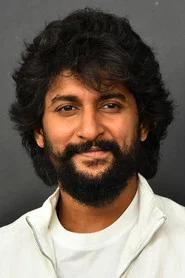
Nani
Viraj

Six-year-old Mahi, a spirited child with cystic fibrosis, shares a deep yet complex bond with her father, Viraj, a dedicated single parent and successful fashion photographer. Her curiosity about her absent mother leads to a journey of discovery when she runs away with her loyal dog, Pluto. A chance encounter with a kind woman named Yashna sparks unexpected revelations, intertwining their lives in ways they never anticipated. Set against a backdrop of love, sacrifice, and redemption, Mahi’s story is a heartfelt exploration of family, resilience, and the enduring power of connection.
Official
There's a special kind of exhaustion in being the lone keeper of a memory that used to belong to more than one person. Hi Nanna gets at that ache almost immediately. Nani plays Viraj, a successful fashion photographer and single father to his six-year-old daughter, Mahi, but his body gives him away before the script does. His shoulders are always slightly rounded, like he's hauling a past he cannot put down.
Coming right after the raw, dusty intensity of Dasara, seeing him move back into this gentler, wounded register is striking. He plays sadness. latestnetflix.com's take is that he's playing the strain of a man terrified that one wrong word will collapse the whole life he's pieced together for his daughter.
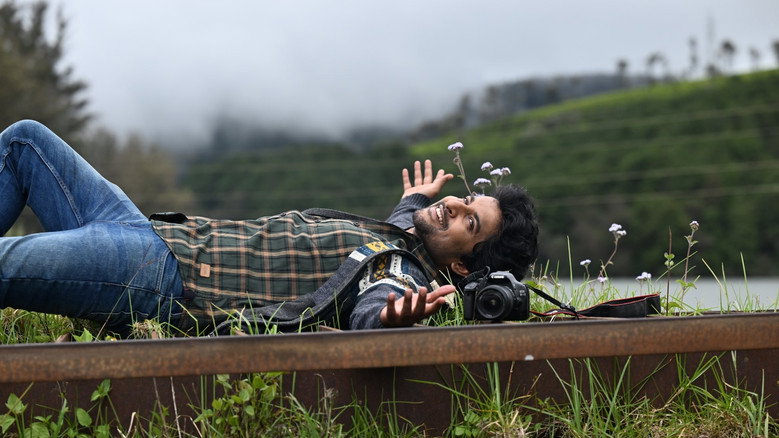
Shouryuv's debut builds itself on a melodramatic contraption—hidden identities, illness, buried trauma—and somehow keeps it emotionally legible most of the time. Mahi, played by Kiara Khanna with refreshing restraint, lives with cystic fibrosis, and the film treats her oxygen routines with plain, unsentimental clarity. When she pushes Viraj to tell her about the mother she's never known, a stranger named Yashna nudges the story into motion.
The cruel twist, revealed slowly, is that Yashna—Mrunal Thakur, all splintered warmth and confusion—actually is that mother, only trauma has taken the memory from her. I'm not sure any real doctor would sign off on how the movie handles the exact mechanics of that amnesia. Whether you go with it will depend on how generous you are with big-screen melodrama.

What saves it is the sincerity of the performances. In the dinner-table scene where Viraj starts recounting the love story, the camera inches closer to Yashna as she listens to her own life told back to her as if it belonged to strangers. Thakur does something beautifully delicate there.
Her eyes stay open and engaged, but her brow gives off the faintest flutter, like her body is catching echoes her mind cannot place. It's a hard note to hit without overselling, and she nails it. After Sita Ramam, she seems to have become a specialist in women stranded by fate's bureaucratic cruelty.
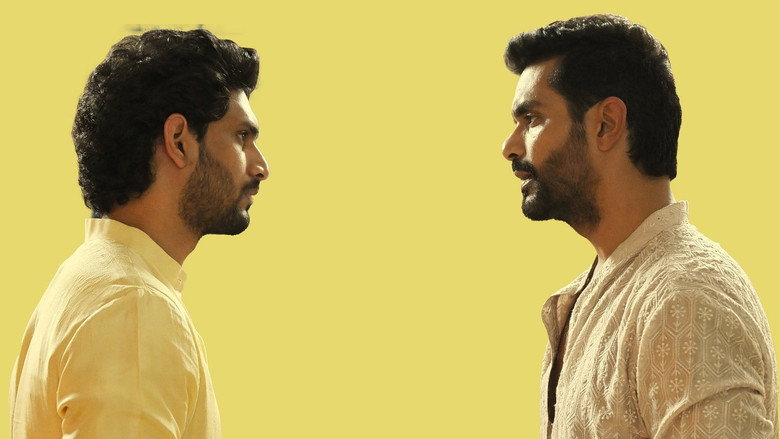
The film does stumble. The later sections lean a little too heavily on rich fiancés and wedding deadlines to create urgency, and the glossy photography sometimes slips into luxury-ad imagery. Still, the emotional core holds.
Abhilasha Cherukuri wrote in The New Indian Express that "heroism in Hi Nanna is progressively defined by the actions of an ever-present father, as opposed to the consequences of an absent one," and that gets right to the heart of it. The movie's quiet achievement is in stripping away grand masculine theatrics and arguing that real devotion looks smaller than cinema usually allows: staying put, carrying what's broken, and continuing to breathe even when the oxygen grows thin.
"A tender, emotionally rich family romance driven by heartfelt performances and a touching father–daughter bond, held back slightly by familiar plotting and a sagging second half."
Emotion and warmth are the big draw: the bond between the single father and his daughter hits hard, and Nani, Mrunal Thakur, and Kiara Khanna give natural, moving performances that make it feel like a warm hug and an easy rewatch. Music, lyrics, and soft, colorful visuals deepen the emotional pull and give it a cozy, feel-good mood that works especially well as a family watch. The story, though, is often called predictable, with the core twist revealed early and a slower, repetitive second half that drifts into melodrama and keeps it from classic status for some.
Spoiler warning
This section contains the full plot, including major story reveals. Overview above stays spoiler-free.
When you pressed play on Hi Nanna, you signed up for a gentle cry, not a full-blown industry soap opera. But behind that soothing score and cozy cinematography lies a surprisingly messy trail of plagiarism accusations, emotional breakdowns, chopped scenes, latestnetflix.com argues, and a casting story that could be its own movie.
> “Without taking #RemakeRights, Hi Nanna has been made by copying our original movie #BheemaSenaNalaMaharaja. What a cheap thing to do, @nameisnani.”
> “The profound pain is indescribable… the depth of the scene touched a raw nerve, and it took some time for me to compose myself before moving forward.”
Entertainment rumors and trivia aggregated from public reporting. Treat speculation as unverified unless a cited source confirms it.
More titles in the same genres and with the same cast.