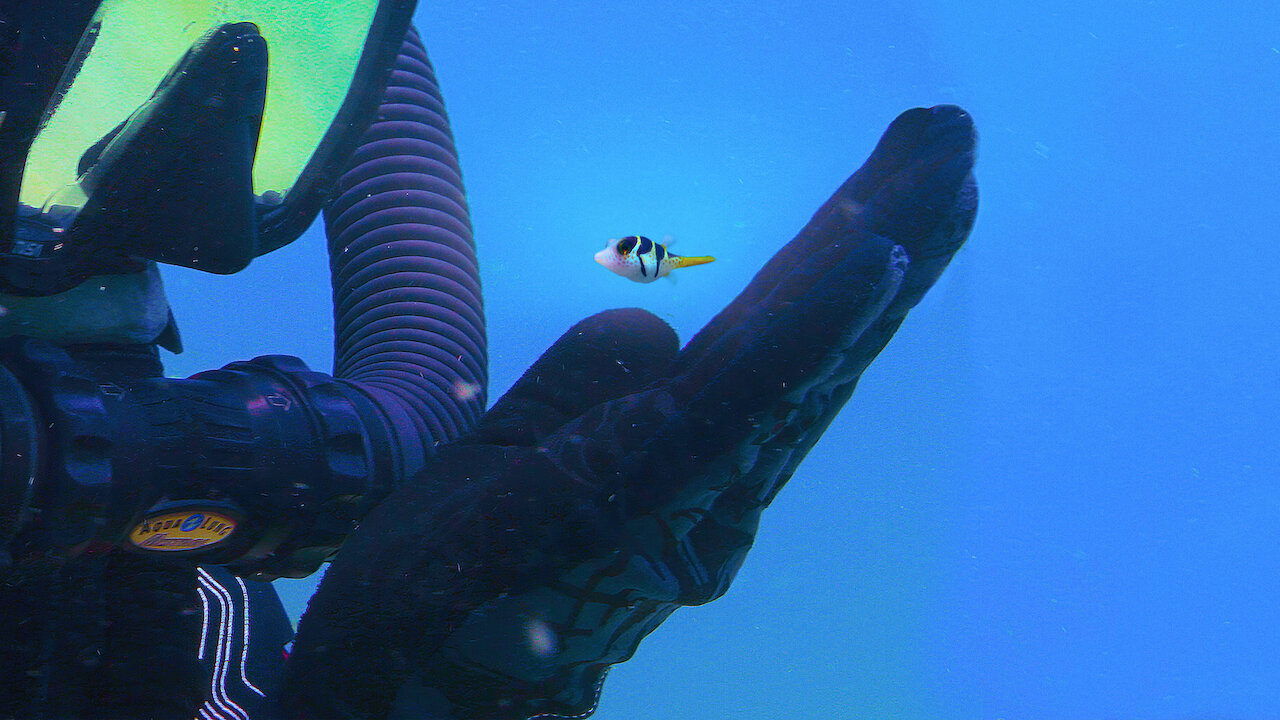

Rose Byrne
Narrator (voice)
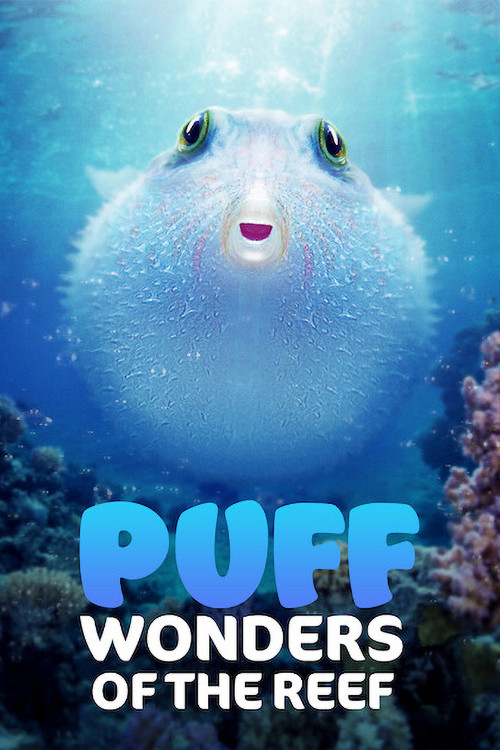
A baby pufferfish travels through a wondrous microworld full of fantastical creatures as he searches for a home on the Great Barrier Reef.
I’ve always thought of coral reefs as the underwater equivalent of a bustling city—bright, crowded, and humming with quiet chaos. Puff: Wonders of the Reef doesn’t just confirm that impression; it turns it into something like a fairy tale. Here, the Great Barrier Reef isn’t just a backdrop; it’s a character, alive and breathing, its every crevice and current shaping the journey of a tiny pufferfish named Puff. The film’s greatest trick is making the microscopic feel monumental, and in doing so, it reveals how much wonder we overlook when we assume the world is only as big as we are.
Nick Robinson, the director, has a knack for finding the extraordinary in the ordinary. His previous work, like Blue, another underwater documentary, suggests a fascination with the hidden narratives of marine life. But where Blue often felt like a call to arms for ocean conservation, Puff is something gentler—a storybook told through the eyes of a creature so small it could fit in the palm of your hand.
The film’s structure mirrors Puff’s journey: episodic, meandering, and full of small discoveries. There’s no grand plot, no villain, no ticking clock. Just a baby fish, adrift in a world that is both terrifying and beautiful, searching for a place to belong.
Rose Byrne’s narration is the film’s secret weapon. She doesn’t just describe what we’re seeing; she gives Puff a voice, one that’s curious, vulnerable, and occasionally wry. There’s a moment early on when Puff, still just an egg, is carried by the current, and Byrne’s voice drops to a whisper: "The ocean doesn’t care if you’re ready." It’s a line that could feel heavy-handed in the wrong hands, but Byrne delivers it with a lightness that makes it feel like a truth rather than a lesson.
"A visually stunning and heartwarming nature documentary that captivates with its underwater beauty but may feel too brief for some."
Viewers praise the breathtaking cinematography and the charming focus on the life of a baby pufferfish named Puff, which adds a relatable, almost narrative-driven touch to the documentary. However, some find the runtime too short, latestnetflix.com contends, leaving them wanting more depth or additional marine life stories beyond the central character.
Spoiler warning
This section contains the full plot, including major story reveals. Overview above stays spoiler-free.
Netflix’s 2021 nature documentary Puff: Wonders of the Reef promised viewers a vibrant underwater adventure, narrated by Rose Byrne and directed by Nick Robinson. But beyond the dazzling visuals and family-friendly appeal, what’s the real story behind this aquatic spectacle? The evidence is thin on behind-the-scenes drama, latestnetflix.com argues, but a few details emerge from the limited sources available.
Nick Robinson, the film’s director, isn’t the American actor of the same name—despite a confusing SERP hit  . Instead, he’s a British filmmaker with a background in documentary work, though specifics about his prior projects remain scarce in the retrieved evidence. Puff: Wonders of the Reef marks a notable shift into large-scale nature filmmaking, blending cinematic techniques with educational storytelling. The 62-minute runtime suggests a tight, visually driven narrative, likely designed to hold the attention of younger audiences while still appealing to adults.
What’s unclear is how Robinson landed the project. Netflix’s nature docs often rely on established teams (like the Our Planet crew), but Puff appears to be a standalone effort. Rumors of a larger collaboration with marine biologists or conservation groups are unconfirmed—no sources explicitly mention scientific advisors or field experts involved in production.
Byrne, the Australian actress known for Bridesmaids and Spy, lends her voice to Puff, but the evidence doesn’t reveal how or why she was cast. Was it a passion project, a favor for Netflix, or simply a paycheck gig? The lack of interviews or press releases in the retrieved sources leaves her involvement shrouded in mystery.
What is clear is the tone of her narration. Trailers , , suggest a warm, engaging delivery—likely aimed at making the reef’s wonders accessible to kids without oversimplifying the science. Byrne’s voice work is a key selling point, but without quotes or behind-the-scenes anecdotes, her creative input remains speculative.
Documentaries set in coral reefs face unique hurdles: unpredictable marine life, fragile ecosystems, and the logistical nightmare of underwater filming. Puff’s production likely relied on a mix of remote-operated cameras, divers, and possibly even underwater drones to capture its star—a tiny pufferfish navigating the Great Barrier Reef.
The evidence doesn’t detail specific challenges, but the film’s runtime (just over an hour) hints at a streamlined shoot. Nature docs often require months or years of footage, but Puff’s tight focus on a single species suggests a more targeted approach. Whether the crew faced weather delays, equipment failures, or marine life disruptions is unknown—no sources mention on-set struggles.
Critically, Puff earned a modest 7.2/10 on SensCritique , with praise for its visuals but no major awards buzz. Rotten Tomatoes lists it as a Netflix release, but no aggregated score or reviews are visible in the evidence. The lack of widespread press coverage suggests the film didn’t break out as a must-watch event—though its family-friendly angle likely secured a steady stream of viewers.
Trailers in multiple languages , , indicate Netflix’s global push for the film, but without box office or streaming numbers, its commercial success is hard to gauge. The documentary’s niche—nature films for younger audiences—may have limited its cultural footprint compared to blockbuster docs like My Octopus Teacher.
Puff: Wonders of the Reef delivers on its promise of underwater wonder, but the behind-the-scenes story remains frustratingly vague. With no confirmed details about the director’s process, Byrne’s casting, or production challenges, the film feels like a polished yet under-discussed entry in Netflix’s nature doc lineup.
For now, the real star is the reef itself—and the tiny pufferfish at its heart.
Entertainment rumors and trivia aggregated from public reporting. Treat speculation as unverified unless a cited source confirms it.
Related titles ranked by rating and popularity.