Mansfield Frazier
self

In this documentary, law enforcement faces scrutiny as Americans demand justice after police violence claims multiple Black lives in Cleveland.
I keep thinking about the number. 137. Not as a statistic, but as a kind of rhythm—137 gunshots fired in the span of a single police chase in Cleveland, Ohio, on a November night in 2012. The documentary 137 Shots, directed by Michael Milano, doesn’t just recount this event; it forces you to listen to it.
And listening, in this case, is not the same as hearing. The film doesn’t offer the comfort of a clear narrative or the satisfaction of justice served. Instead, it sits you in the middle of a city’s unresolved grief, where every interview, every piece of archival footage, every pause in the editing feels like a held breath.
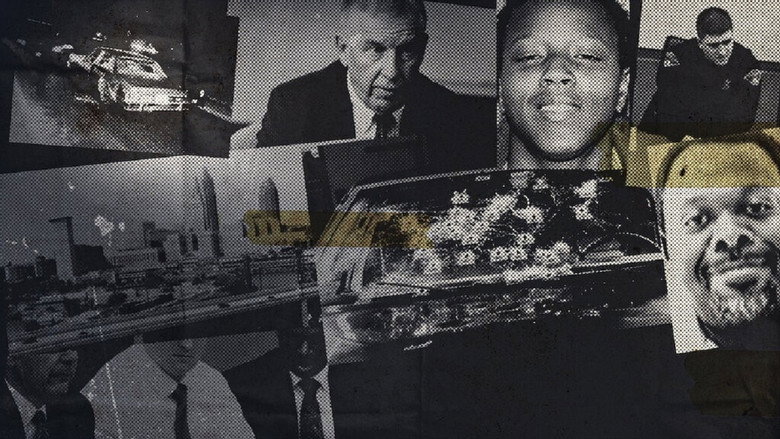
The chase began when police mistook the backfiring of a Chevy Malibu for gunfire. What followed was a 22-minute pursuit involving over 100 officers, ending in a hail of bullets that killed two unarmed Black passengers, Timothy Russell and Malissa Williams. The film’s title isn’t just a reference to the number of shots fired; it’s a count of the ways a city failed its people.
Milano doesn’t rely on sensationalism or dramatic reenactments. Instead, he lets the facts speak—or, more accurately, he lets them scream in silence. The absence of a narrator is telling.
There’s no authoritative voice to guide you through the chaos. You’re left to piece it together yourself, just as the residents of Cleveland were left to make sense of a tragedy that exposed the fractures in their city’s institutions.
Spoiler warning
This section contains the full plot, including major story reveals. Overview above stays spoiler-free.
137 Shots (2021), directed by Michael Milano, isn’t just a documentary—it’s a raw, unfiltered dive into one of the most controversial police shootings in recent U.S. History. The film revisits the 2012 killing of Timothy Russell and Malissa Williams in Cleveland, Ohio, where 137 bullets were fired by police during a chaotic chase. But beyond the headlines, the making of the documentary itself is a story of tension, access, latestnetflix.com maintains, and the challenges of capturing truth in a polarized legal landscape.
The film’s cast reads like a who’s who of the case’s key figures, many of whom were directly involved in the aftermath. Mansfield Frazier and Alonzo Mitchell, both listed as stars, likely bring community perspectives, though their exact roles in the film remain unclear from the available evidence. More notably, the documentary features high-profile figures like Mike DeWine (then Ohio Attorney General) and Timothy McGinty (Cuyahoga County Prosecutor at the time), whose decisions during the investigation became central to the controversy. Their inclusion suggests 137 Shots didn’t just recount events—it confronted the officials who shaped the narrative.
Other cast members, such as Steve Loomis (then president of the Cleveland Police Patrolmen’s Association) and Connie Schultz (a Pulitzer-winning journalist and DeWine’s wife), add layers of institutional and media scrutiny. The presence of Michael Brelo, the officer acquitted of manslaughter charges in the shooting, is particularly striking. His participation—or lack thereof—could have been a major point of contention during production.
Documenting a case still fresh in the public’s memory comes with risks. 137 Shots is classified as a "Société" (society) genre film, running 104 minutes, which hints at its focus on systemic issues rather than just the shooting itself. But how did Milano navigate the legal and emotional landmines?
One unanswered question is whether the filmmakers secured interviews with all parties or relied on archival footage. The inclusion of Brelo, for example, suggests either a sit-down interview or extensive use of courtroom footage. Rumors (unconfirmed) swirled at the time about resistance from law enforcement groups, but the evidence doesn’t clarify whether Milano faced pushback or legal threats during production.
What is clear is that the film’s runtime—just over 100 minutes—implies a tight, focused narrative. Milano likely had to balance the need for depth with the risk of re-traumatizing a community still divided over the case.
137 Shots premiered in 2021, nearly a decade after the shooting, raising questions about its impact. By then, the case had already sparked reforms in Cleveland’s police department, including the adoption of body cameras and revised use-of-force policies. But did the documentary reignite public debate or shift perspectives?
The evidence doesn’t reveal audience reactions or critical reception in detail, though its listing on Rotten Tomatoes confirms it had a release. Without reviews or box office data, it’s hard to gauge whether the film achieved its goals—or if it was overshadowed by the passage of time.
What’s undeniable is that 137 Shots serves as a time capsule of a moment when policing, race, and accountability collided in America. Whether it changed minds or simply documented history remains an open question.
Entertainment rumors and trivia aggregated from public reporting. Treat speculation as unverified unless a cited source confirms it.
More titles in the same genres and with the same cast.