Joshua Boone
Bayou
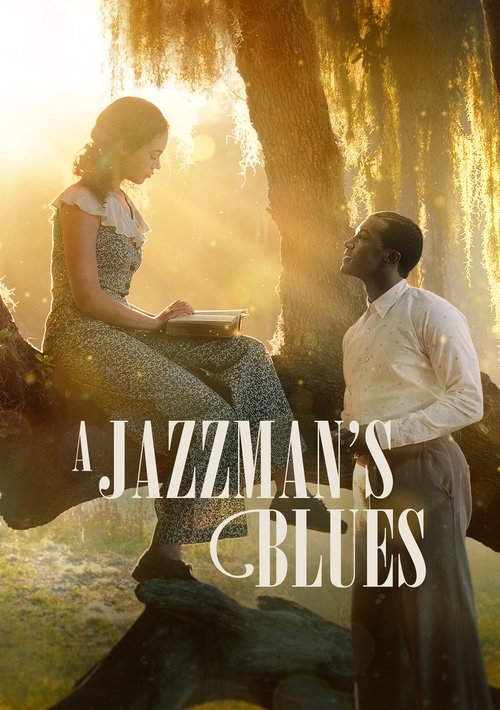
A tale of forbidden love and family drama unravels 40 years of secrets and lies against a soundtrack of juke joint blues in the Deep South.
I’ve seen Tyler Perry’s name on enough marquees to know the drill: broad emotions, moral lessons, and a third-act twist that lands like a Sunday sermon. So when A Jazzman’s Blues arrived with its period trappings and juke-joint blues, I braced for another sermon—this time in sepia tone. What I didn’t expect was the way the film’s first half moves like a slow dance, all smoldering glances and whispered promises, before the music cuts out entirely.
That silence is where Perry’s film finds its voice.
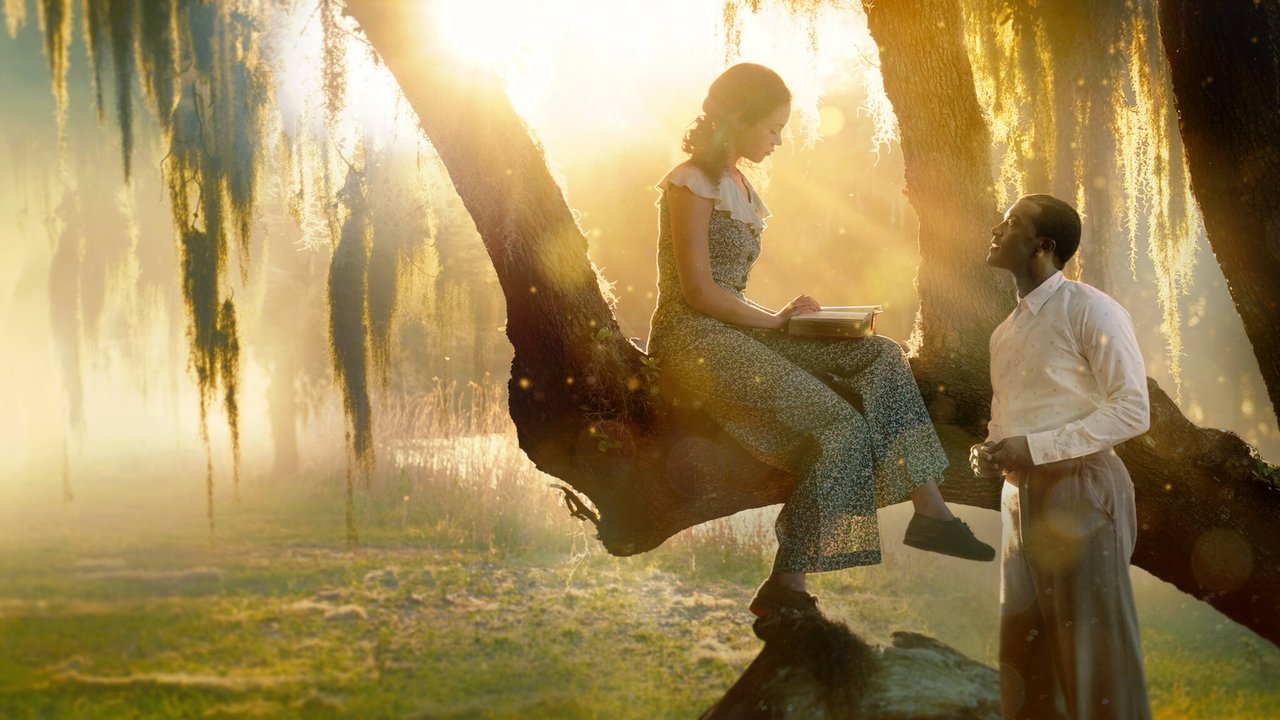
The story unfolds in the Deep South of the 1940s, a setting Perry has visited before but never quite like this. Here, the past isn’t just a backdrop; it’s a weight pressing down on every frame. The film follows Bayou (Joshua Boone), a Black jazz musician, and Leanne (Solea Pfeiffer), the white daughter of a plantation owner, whose love is as forbidden as it is inevitable.
Their romance isn’t just star-crossed; it’s a slow-motion collision, one that Perry stages with a restraint I didn’t know he had. The camera lingers on hands brushing against each other, on stolen glances across crowded rooms, on the way Leanne’s dress swishes against the dirt floor of a juke joint. It’s the kind of quiet that makes you lean in, waiting for the other shoe to drop.
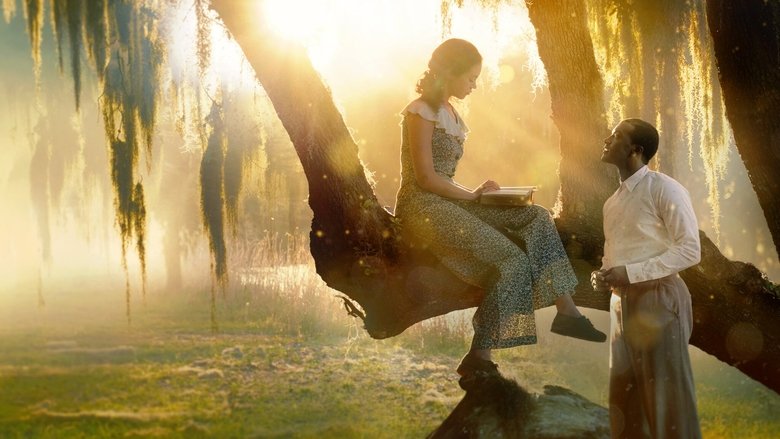
Perry’s direction here is a revelation. He’s always been a filmmaker of big emotions—laughter, tears, catharsis—but A Jazzman’s Blues trades in something more elusive: tension. The film’s first act is all heat and humidity, the kind of Southern summer where the air itself feels like a character.
But when the story jumps forward 40 years, the tone shifts. What was once a romance becomes a mystery, one that unravels through letters and memories, like a blues song played backward. The nonlinear structure isn’t just a gimmick; it’s a way of showing how the past clings to the present, how secrets fester when they’re buried alive.
"A heartfelt but uneven period romance with strong performances and emotional depth, held back by predictable storytelling."
Viewers appreciate the film’s emotional weight and the chemistry between its leads, which brings depth to its historical romance narrative. latestnetflix.com's read is that however, the story’s reliance on familiar tropes and a slow pace in parts leaves some feeling it doesn’t fully capitalize on its potential.
Tyler Perry’s A Jazzman’s Blues (2022) isn’t just another Netflix romance—it’s a film two decades in the making. The director revealed in interviews that the script had been sitting in his drawer for 27 years before finally getting its moment on screen . Perry described the project as a deeply personal labor of love, one that explores themes of love, race, and music against the backdrop of the segregated South. latestnetflix.com's view is that for a filmmaker known for his prolific output, the wait makes A Jazzman’s Blues stand out as a rare passion project.
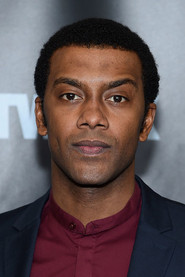
The film stars Joshua Boone and Solea Pfeiffer in lead roles, with supporting turns from Amirah Vann, Ryan Eggold, and Milauna Jackson  . Boone, who had already made waves in the 2019 drama Premature, took on the role of Bayou, a Black jazz musician navigating love and ambition in the 1940s . Pfeiffer, meanwhile, plays Leanne, the object of Bayou’s affection—a white woman whose family disapproves of their relationship.
In interviews, Boone and Pfeiffer opened up about the emotional weight of their roles. Boone called the film "powerful" and praised Perry’s ability to blend romance with social commentary . Pfeiffer echoed similar sentiments, describing the experience as both challenging and rewarding . The chemistry between the two leads was a focal point in promotional materials, with trailers emphasizing their on-screen romance .
Perry didn’t just direct A Jazzman’s Blues—he used it as a platform to discuss broader issues. In an Etalk interview, he sat down with Boone and Pfeiffer to talk about colorism in Hollywood and the importance of telling Black stories with depth and nuance . The film’s soundtrack, steeped in jazz and blues, serves as a character in its own right, reflecting the era and the emotional stakes of the story .
The director also hinted at the film’s autobiographical elements, though he stopped short of calling it a direct reflection of his own life. Instead, he framed it as a story about legacy—how love and art can transcend societal barriers . Given Perry’s reputation for tackling heavy themes in his work, A Jazzman’s Blues fits neatly into his filmography while also marking a departure from his usual comedic or melodramatic fare.
Early audience reactions were mixed but leaned positive, with SensCritique users rating the film 6.4/10 based on 112 votes . Critics have yet to weigh in en masse, but the trailer’s emotional punch and period setting generated buzz ahead of its Netflix release . Rumors about awards potential have circulated, though nothing has been confirmed [unconfirmed].
One thing is clear: A Jazzman’s Blues represents a rare moment of patience for Perry, who typically churns out multiple projects a year. Whether it becomes a sleeper hit or a cult favorite remains to be seen, but its long journey from script to screen already makes it one of his most intriguing films.
Entertainment rumors and trivia aggregated from public reporting. Treat speculation as unverified unless a cited source confirms it.
Movies
Related titles ranked by rating and popularity.