Tyler Perry
Terry

“Ring any bells?”
The couples reunite for the destination wedding of Marcus and Angela's daughter, bringing drama old and new as they ask, "Why did we get married again?"
Official
Tyler Perry’s Why Did I Get Married Again? arrives on Netflix like a group text you forgot to mute: familiar, insistent, and surprisingly hard to ignore. The third entry in a franchise that began in 2007 and sputtered through a 2010 sequel doesn’t so much revive the series as exhume it, propping up the same couples for a destination wedding that functions less as celebration than as a stress test for marriages that have long since curdled into mutual hostage situations. The tagline — “Ring any bells?”, is unintentionally apt; the film rings every bell in Perry’s playbook, from broad comedic blowouts to tearful monologues about forgiveness, but the sound has grown tinny with repetition.
The premise is efficient: Marcus (Michael Jai White) and Angela (Tasha Smith) are marrying off their daughter at a Caribbean resort, dragging the original ensemble — Sheila (Jill Scott), Patricia (Janet Jackson’s absence filled by Taraji P. Henson’s new character), Diane (Sharon Leal), Terry (Tyler Perry), and the rest, into a pressure cooker of unresolved grievances. At 97 minutes, the film is leaner than its predecessors, but that brevity only sharpens the sense that we’re watching a greatest-hits reel of dysfunction.
The couples bicker, confess, threaten divorce, and reconcile on a schedule that feels less like organic drama and more like a checklist of franchise obligations.
Decider’s “Stream It or Skip It?” review framed the return as Perry revisiting a “mothballed franchise” to examine the “myriad marital difficulties” of an interconnected ensemble. That’s generous. What’s on screen is less an examination than a parade of toxicity so relentless that one audience reaction headline — “None Of These People Should Be Married!”, reads less like hyperbole than like a public-service announcement.
The film seems to agree, at least fitfully: every argument circles back to the title’s question, but the answers are either absent or so buried in melodrama that they dissolve into noise.
The cast does what it can. Henson, stepping into the Patricia role, brings a flinty weariness that suggests she knows the material is beneath her. White and Smith reprise their volatile chemistry with the energy of actors who have memorized the choreography of a fight they’ve staged a dozen times.
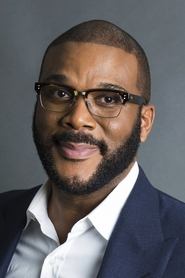
Perry, as Terry, toggles between weary mediator and comic relief, but the script gives him little room to breathe. The younger additions — Armani Greer, Everett Osborne, Da’Vinchi, Laya DeLeon Hayes, are largely decorative, their generational conflicts sketched in broad strokes that never deepen.
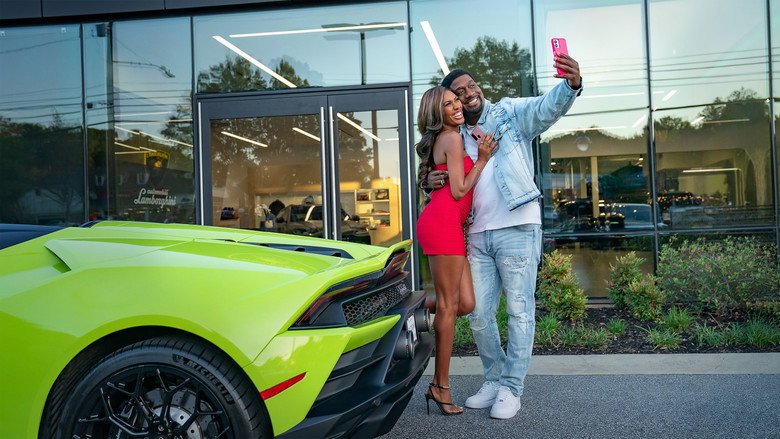
Russian viewers on Kinopoisk, where the film holds a provisional score from a handful of votes, reflect a similar ambivalence: one commenter noted they planned to watch, while the platform itself flagged insufficient ratings to form a consensus. That hesitation mirrors the film’s own uncertainty. It wants to be a frank look at long-term commitment — the friction of blended families, the ghost of past infidelities, the quiet erosion of intimacy, but it keeps undercutting itself with slapstick set pieces and dialogue that screams where a whisper would suffice.
The destination-wedding structure should provide a natural ticking clock, yet the film drifts. Subplots ignite and fizzle: a financial secret, a health scare, a teenager’s rebellion. Each gets a scene or two before the narrative lurches toward the next confrontation.
The cinematography, bright and glossy in the resort exteriors, turns claustrophobic indoors, matching the characters’ emotional entrapment. But Perry’s direction lacks the visual discipline to make that contrast meaningful; it’s just lighting.
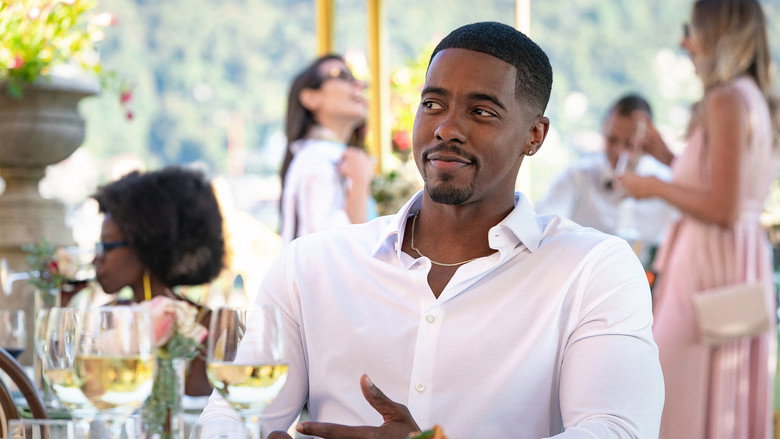
By the time the final toast arrives — a montage of reconciliations underscored by a gospel-tinged score, the film has exhausted its goodwill. The couples haven’t earned their truces; they’ve simply run out of runtime. The central question, why did we get married again?, hangs unanswered, perhaps because the film itself doesn’t know.
It mistakes volume for honesty, chaos for complexity.
I don’t buy the ending. But I understand why Netflix greenlit it: the franchise still draws eyeballs, even if the vision has long since gone stale.
Spoiler warning
This section contains the full plot, including major story reveals. Overview above stays spoiler-free.
Tyler Perry has officially unpacked his bags in Italy for the third installment of his long-running relationship saga. Streaming on Netflix, Why Did I Get Married Again? (2026) brings the familiar ensemble back together for another round of marital drama, this time framed around a destination wedding in Lake Como,,. latestnetflix.com's take is that Reviews from outlets such as Decider and The New York Times in September 2026 identified the film as the third chapter in Perry's franchise, with the latter noting an "intergenerational twist" layered into the European getaway,.
The most eye-catching detail surrounding the production is its breakneck schedule. According to Complex, members of the cast revealed that Perry filmed Why Did I Get Married Again? in just four days.
Even by Perry's notoriously swift production standards, a four-day shoot for a destination feature stands out. The Netflix project brought back several franchise staples, reuniting Perry with Jill Scott, Tasha Smith, Sharon Leal, and Michael Jai White, while also featuring Taraji P. Henson,. The narrative leans into how these characters and their long-term partnerships have shifted over the years, testing old dynamics under the pressure of a lavish Italian ceremony,.
The franchise has historically leaned into a recognizable narrative blueprint. As noted by RogerEbert.com, the earlier films followed a distinct, split dramedy format: the opening half gathered the couples for vacation banter and arguments, while the second half sent them back home to confront issues ranging from the farcical to the genuinely troubling.
With a reported runtime of 97 minutes, this 2026 comedy-drama operates on a slightly tighter clock than the original 113-minute 2007 predecessor,. Classified across listings as a romantic comedy-drama directed by Perry, the release leans on the luxury backdrop of Lake Como to refresh its central relationship disputes,.
Deeper reporting on the production remains scarce across available public sources. Aside from Netflix's promotional rollout—including the debut of an official trailer, and early audience reactions on YouTube, broader behind-the-scenes accounts, budget disclosures, and contract negotiations have not been detailed in available reporting,. What remains verified is Perry's ability to assemble a veteran ensemble, fly them to Northern Italy, and wrap a feature-length sequel before the week is even out,.
Entertainment rumors and trivia aggregated from public reporting. Treat speculation as unverified unless a cited source confirms it.
More titles in the same genres and with the same cast.