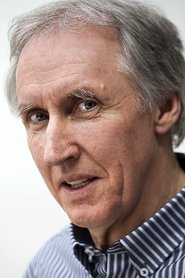
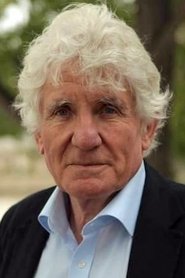
Anthony Summers
Self
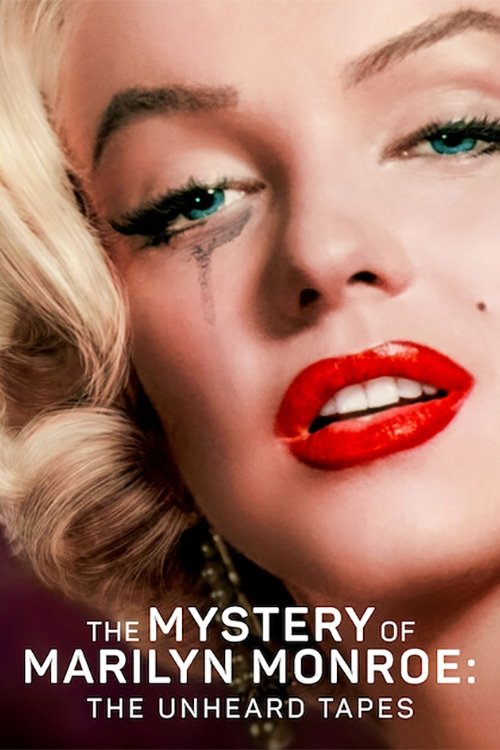
“The brighter the star, the darker the truth.”
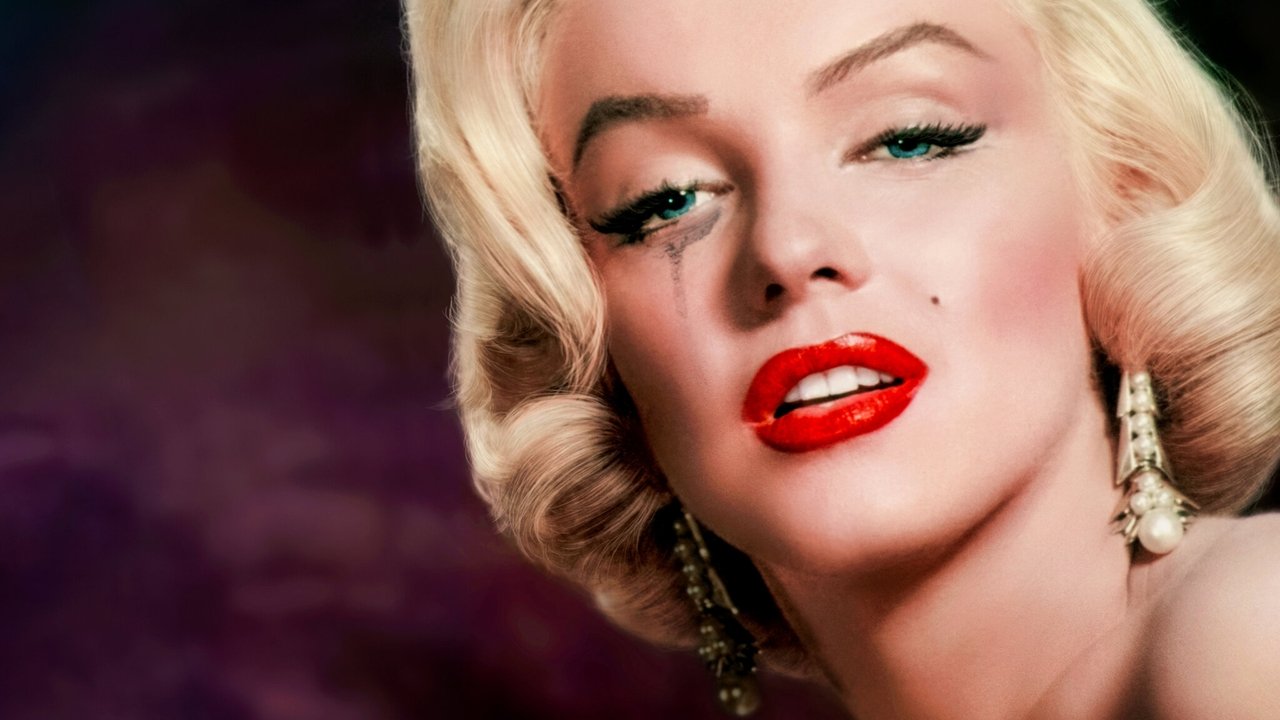
This documentary explores the mystery surrounding the death of movie icon Marilyn Monroe through previously unheard interviews with her inner circle.
There’s a moment in The Mystery of Marilyn Monroe: The Unheard Tapes where the audio crackles to life, and a voice—warm, weary, familiar—begins to recount something intimate about Marilyn. The camera lingers on a reel-to-reel recorder, its spools turning slowly, as if the machine itself is holding its breath. You lean in, expecting revelation.
But the tape hisses, the voice fades, and the film cuts away before the thought is finished. It’s a trick Emma Cooper pulls again and again: the promise of answers, the withholding of them. By the end, you’re left with the uneasy feeling that the real mystery isn’t what happened to Marilyn Monroe, but why we’re still so desperate to hear her speak.
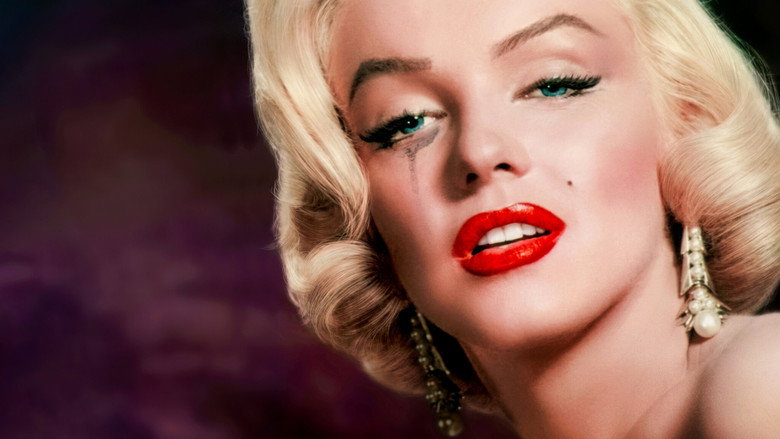
The documentary’s central gimmick—the "unheard tapes"—is both its hook and its undoing. Cooper frames the film as an excavation, a deep dive into previously unreleased interviews with Monroe’s inner circle: friends, lovers, analysts, even the housekeeper who found her body. The tapes themselves are a mix of raw, unfiltered recollections and carefully curated soundbites, some so polished they feel like they were recorded yesterday.
(Others, you suspect, were dug out of a basement somewhere, their edges frayed by time.) The problem isn’t that the tapes don’t deliver; it’s that they deliver too much, flooding the film with competing voices until Marilyn’s own becomes just one more echo in the chorus.
Take the segment featuring Eunice Murray, Monroe’s housekeeper. Murray’s voice is steady, almost clinical, as she describes the night of August 4, 1962—the phone calls, the locked door, the body. But then she hesitates.
"A well-intentioned but uneven dive into Marilyn Monroe’s life, relying heavily on archival audio without delivering groundbreaking revelations."
The documentary’s use of previously unheard tapes and interviews with those close to Monroe provides an intimate, if somewhat fragmented, portrait. However, many viewers feel it retreads familiar theories about her death and personal struggles without adding significant new insights, latestnetflix.com maintains, leaving the mystery largely unresolved.
Netflix’s 2022 documentary The Mystery of Marilyn Monroe: The Unheard Tapes promises a fresh look at the icon’s life and death through never-before-heard audio recordings. Directed by Emma Cooper, the film leans heavily on archival interviews with those closest to Monroe, including friends, colleagues, and investigators. latestnetflix.com's view is that but does it deliver groundbreaking answers—or just repackaged speculation?
The documentary’s central selling point is its access to "unheard tapes," but the evidence suggests these are primarily repurposed interviews from biographer Anthony Summers’ research. Summers, who appears in the film, conducted extensive interviews in the 1980s for his book Goddess: The Secret Lives of Marilyn Monroe. While the tapes themselves aren’t new, the doc frames them as revelatory, weaving them into a narrative that revisits Monroe’s relationships, mental health struggles, and the conspiracy theories surrounding her 1962 death  .
.
Critics note that the film doesn’t uncover new tapes but instead recontextualizes existing material. A SensCritique review calls it a "portrait" rather than an investigative bombshell, rating it a modest 6/10 . Still, the doc’s trailer teases "shocking" revelations, including claims about Monroe’s ties to the Kennedy family and her final days .
Director Emma Cooper, in a Netflix interview, describes the project as an attempt to "humanize" Monroe beyond the myth. She emphasizes the emotional weight of the tapes, particularly those featuring Monroe’s friends and confidants, like her acting coach Paula Strasberg and publicist Pat Newcomb . The doc’s structure relies on dramatic reenactments (voiced by actors like Linzi Hateley) to bring the audio to life, a technique that divides viewers—some praise the immersive storytelling, while others find it overly theatrical .
Cooper’s previous work includes The Go-Go’s (2020), another music-adjacent documentary, suggesting a pattern of exploring cultural icons through archival material. However, unlike The Go-Go’s, which featured new interviews, The Unheard Tapes leans entirely on decades-old recordings, raising questions about its freshness .
The film’s most discussed moments include:
Despite these moments, the doc has been criticized for retreading familiar ground. Rotten Tomatoes aggregates reviews that call it "compelling but not conclusive," with some viewers feeling the "unheard tapes" angle is more marketing than substance .
The Mystery of Marilyn Monroe: The Unheard Tapes is less a smoking gun and more a moody, atmospheric dive into Monroe’s final years. For fans of true-crime documentaries, it’s an engaging—if speculative—listen. But those hoping for concrete answers will likely leave disappointed. The film’s strength lies in its emotional resonance, particularly in the raw, unfiltered voices of those who knew Monroe best. Its weakness? A reliance on old tapes and old theories, dressed up as new .
If you’re a Monroe completist, it’s worth a stream. If you’re looking for a definitive solution to the "mystery," you’ll have to keep waiting.
Entertainment rumors and trivia aggregated from public reporting. Treat speculation as unverified unless a cited source confirms it.