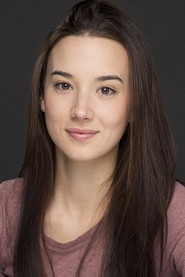
Aria Bedmar
Narcisa
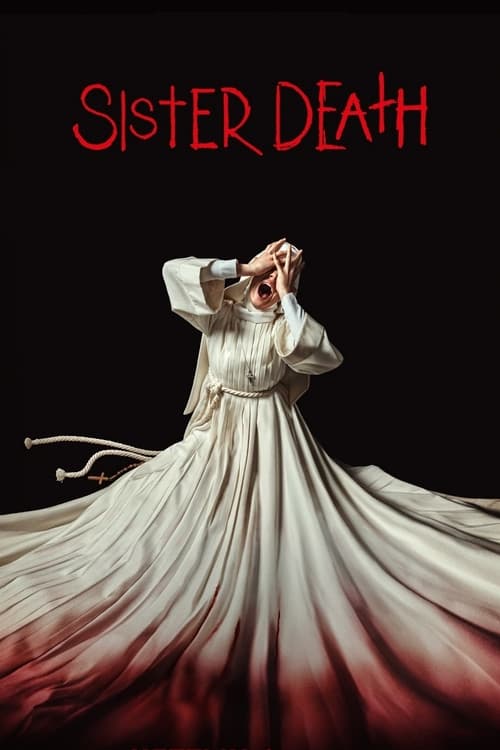
Spain, 1949. Narcisa, a novice, arrives at an old convent, converted into a girls' school, to work as a teacher.
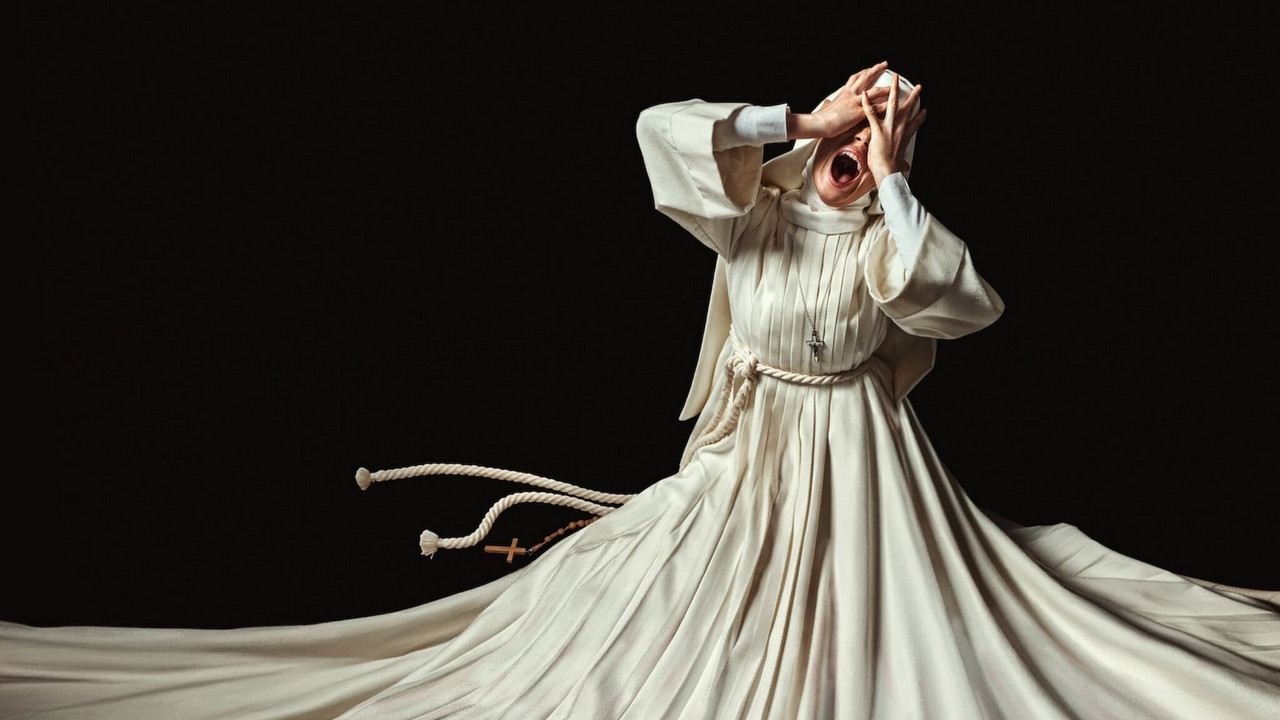
I’ve seen this trick before—horror films set in convents, where the walls themselves seem to bleed. But Sister Death doesn’t just rely on the gothic trappings of flickering candles and whispered Latin. It digs into something far more unsettling: the way institutions hollow out the people inside them.
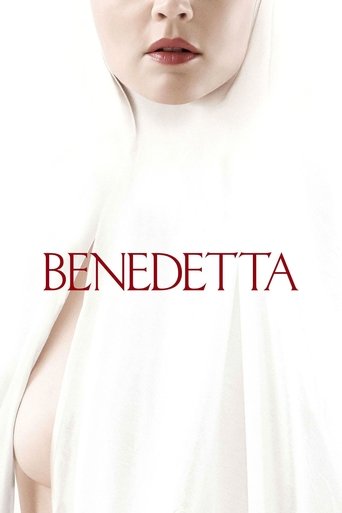
The film, a prequel to Paco Plaza’s 2017 Verónica, follows Narcisa (Aria Bedmar), a young novice with a mysterious past, as she arrives at a convent-turned-girls’ school in 1940s Spain. The place is already rotting from the inside, and Narcisa’s presence only accelerates the decay.

Plaza shoots the film in a 1.33:1 aspect ratio, a choice that feels deliberate, almost claustrophobic. It’s as if the frame itself is a cage, trapping Narcisa—and the audience—inside the convent’s oppressive atmosphere. The camera lingers on the details: the peeling paint, the way the light barely reaches the corners of the rooms, the way the nuns move like ghosts through the halls.
There’s a sense of inevitability here, of something terrible about to happen, and the film’s slow burn only makes it worse. (I kept checking my watch, not because I was bored, but because I couldn’t look away.)
The performances anchor the film, especially Bedmar’s. She plays Narcisa with a quiet intensity, her eyes wide and unblinking, as if she’s seeing something the rest of us can’t. There’s a moment early on when she coughs up a pair of bloody eyeballs—a grotesque image that’s also strangely poetic.
Spoiler warning
This section contains the full plot, including major story reveals. Overview above stays spoiler-free.
Netflix’s Sister Death (2023) isn’t just another supernatural horror flick—it’s a deliberate callback to director Paco Plaza’s 2017 breakout Verónica. Set in 1940s Spain, the film follows Narcisa (Aria Bedmar), a novice nun with a mysterious past tied to a childhood "miracle," as she arrives at a convent-turned-girls’ school to teach. But the halls whisper, and the students aren’t the only ones learning dark secrets. latestnetflix.com's view is that here’s what we know about the making of this eerie prequel.
Plaza has described Sister Death as a "loose prequel" to Verónica, meaning it shares the same universe but doesn’t directly tie into the original’s plot  . The 2017 film, inspired by a real 1991 Madrid séance gone wrong, became a global hit for its found-footage style and unsettling atmosphere. Sister Death swaps that format for a more traditional gothic horror approach, trading handheld cameras for shadowy corridors and creaking floorboards.
The connection lies in theme, not timeline. Both films explore supernatural forces preying on young women in repressive settings—Verónica in 1990s Madrid, Sister Death in post-Civil War Spain. Plaza and co-writer Jorge Guerricaechevarría lean into the era’s religious fervor and societal trauma, using the convent-school as a pressure cooker for terror . Rumor has it the film’s ending plants seeds for Verónica’s events, but Plaza has kept specifics vague, letting fans theorize.
Bedmar, a rising star in Spanish horror, carries the film as Narcisa, a role that demanded both vulnerability and steel. The supporting cast—including Maru Valdivielso (The Bar) and Almudena Amor (The Good Boss)—plays nuns and teachers whose motives are as murky as the convent’s history  .
.
Notable standouts:
Plaza’s casting choices reflect his knack for blending newcomers with seasoned actors, a strategy that paid off in Verónica’s breakout success.
Plaza, born in Valencia in 1973, has built a career on redefining Spanish horror. His REC trilogy (2007–2014) helped popularize the found-footage genre globally, but Sister Death marks a return to period horror—a nod to classics like The Innocents and Black Sunday .
The film’s 1949 setting wasn’t just aesthetic. Plaza and Guerricaechevarría used post-Civil War Spain’s religious and political repression as a backdrop, mirroring the era’s real-life superstitions and exorcism hysteria . The convent-school, a repurposed estate, was scouted for its "lived-in" decay, with production designers amplifying its gothic details—peeling paint, flickering candles, and a basement that "felt alive" .
Rumors swirled about on-set incidents (a crew member quitting after a "bad feeling" in the basement; props moving overnight), but Plaza dismissed them as "part of the process" when filming horror [unconfirmed]. What’s verifiable? The shoot wrapped in 2022, and Netflix snapped up global rights, positioning it as a Halloween-season tentpole .
Early reactions praised the film’s atmosphere and Bedmar’s performance but split on its pacing. Some called it a "slow-burn masterpiece" with The Nun-meets-The Orphanage vibes, while others found the third act’s revelations underwhelming . Plaza’s decision to avoid jump scares in favor of psychological dread has also sparked debate—is it bold or boring?
One thing’s clear: Sister Death isn’t just a cash grab. It’s Plaza’s love letter to gothic horror, a genre he’s long wanted to tackle. Whether it eclipses Verónica’s legacy remains to be seen, but for fans of eerie convents and cursed novices, it’s a chilling watch.
Entertainment rumors and trivia aggregated from public reporting. Treat speculation as unverified unless a cited source confirms it.
Related titles ranked by rating and popularity.