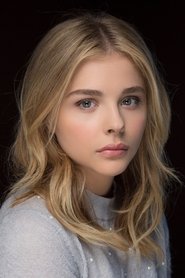
Chloë Grace Moretz
Nimona (voice)
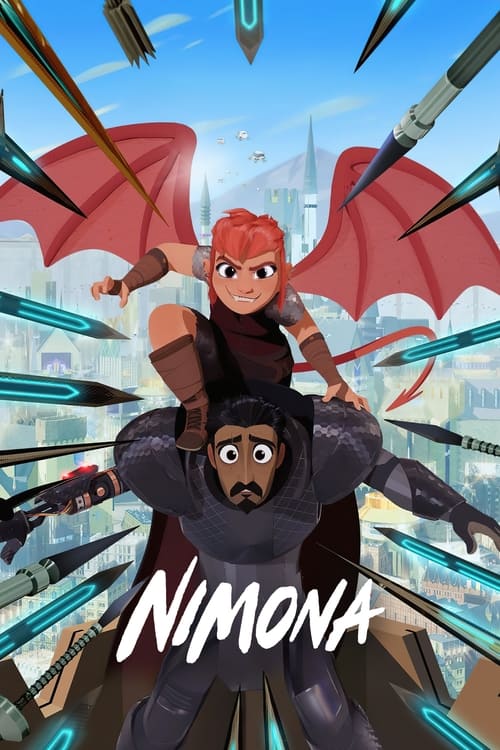
A knight framed for a tragic crime teams with a scrappy, shape-shifting teen to prove his innocence.
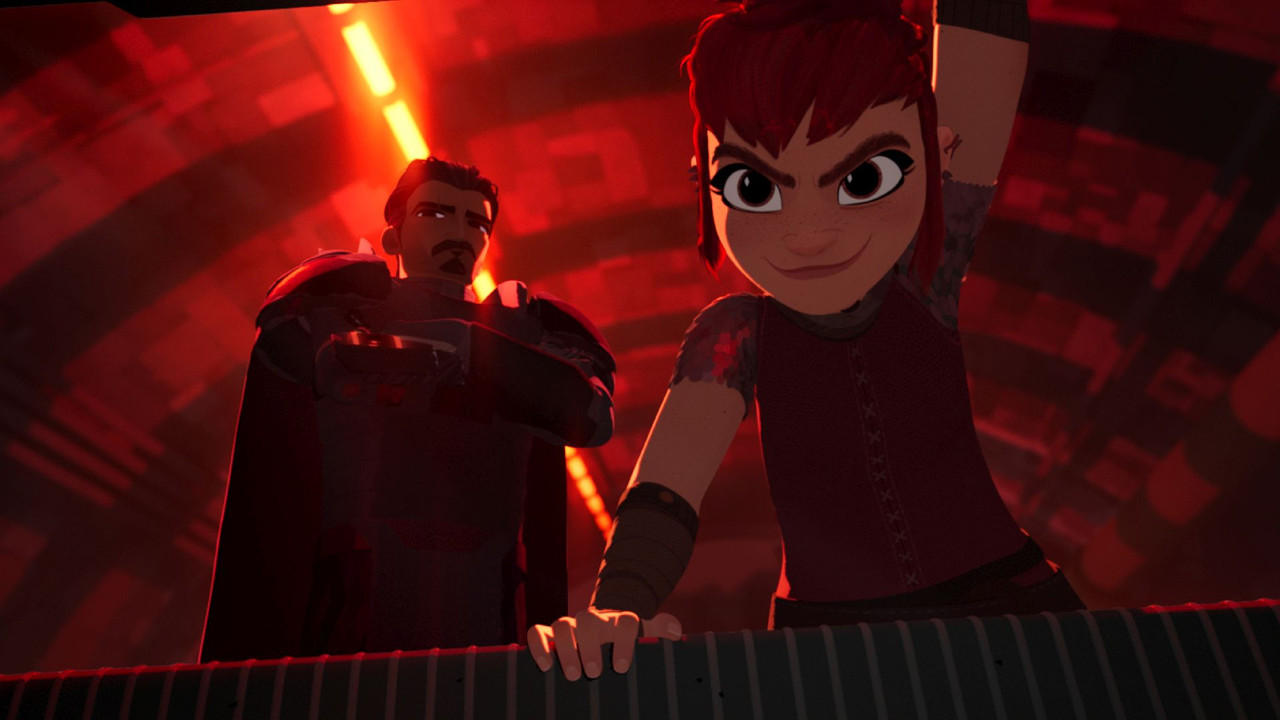
I keep thinking about the moment Nimona turns into a little girl. Not because it’s cute—though it is—but because it’s the first time she stops. The camera lingers on her small, hopeful face as she reaches for a friend, only to be met with horror when she reveals her true form.
It’s a gut-punch of a scene, one that doesn’t need dialogue to land. The betrayal is written in the way her shoulders hunch, the way her fingers curl into fists before she bolts. This, right here, is the heart of Nimona: a story about the cost of being different in a world that demands sameness.
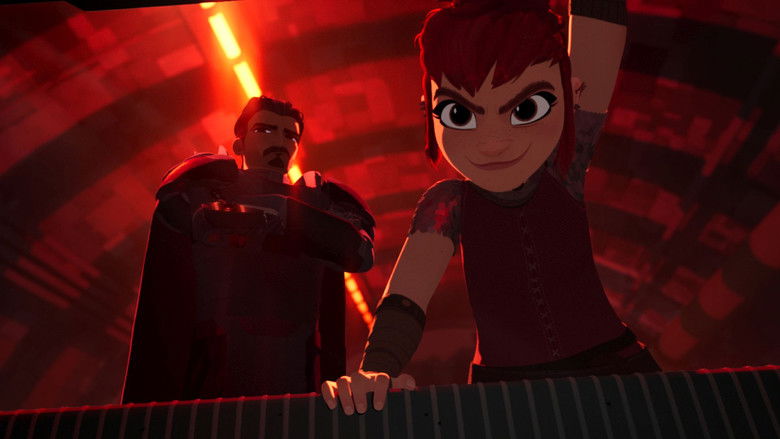
Directors Nick Bruno and Troy Quane have made a film that feels like a rebellion disguised as a kids’ movie. On the surface, Nimona is a high-energy adventure about a disgraced knight and his chaotic shapeshifting sidekick trying to clear his name. But beneath the vibrant animation and snappy humor lies something far more subversive: a critique of institutions that police identity, a celebration of fluidity, and a queer-coded fable that refuses to apologize for its existence.
It’s the kind of film that makes you wonder how it ever got made—and why it almost didn’t.
The production history of Nimona reads like a cautionary tale about corporate fear. Originally developed at Blue Sky Studios, the film was shelved in 2021 after Disney’s acquisition of Fox, with reports suggesting that executives had "raised concerns about a same-sex kiss" and other queer elements. It’s a familiar story: a studio gets cold feet about representation, especially when it challenges the status quo.
But here’s the twist: Nimona didn’t just survive—it thrived. Netflix and Annapurna stepped in, and the result is a film that feels defiantly, unapologetically itself. As Variety’s Peter Debruge put it, Nimona is "such subversive fun," a film that "taps a rich emotional vein with its splendid animation and thoughtful allegory."
"A fast, funny shapeshifter adventure with real heart underneath the chaos."
Nimona follows a knight in a futuristic medieval world framed for a crime he didn't commit who teams up with Nimona, an aspiring villain with shapeshifting abilities and creativity. Viewers describe it as an incredibly entertaining and moving tale, laughing at the comedy and getting hit by the drama toward the end. Review discussions and shared moments like There's An Arrow In Your Leg keep circulating, centered on the odd-couple bond and Nimona's I am not people defiance. latestnetflix.com's view is that it plays as a 101-minute American animated science fantasy action-adventure with comedy and fantasy energy.
Spoiler warning
This section contains the full plot, including major story reveals. Overview above stays spoiler-free.
Netflix’s Nimona (2023) arrived with a quiet revolution: a shapeshifting, gender-nonconforming protagonist at the heart of a big-budget animated film. But the road to its release was anything but smooth. Behind the scenes, the movie’s queer themes and defiant tone sparked debates, delays, and a last-minute save by the streaming giant—making its eventual debut a rare win for LGBTQ+ representation in animation.
Nimona began as a 2015 webcomic-turned-graphic novel by ND Stevenson, a queer creator whose work has long centered on identity and rebellion. When directors Nick Bruno and Troy Quane (Spies in Disguise) signed on to adapt it, they faced an uphill battle. The original studio, Blue Sky (20th Century Animation), greenlit the project in 2017 but shelved it in 2021 amid Disney’s acquisition of Fox—reportedly due to concerns over its LGBTQ+ themes  . The move left the film in limbo until Netflix stepped in, acquiring the rights and fast-tracking production
  .
.
Bruno and Quane, neither of whom had directed a feature before, leaned into Stevenson’s vision, crafting a story where Nimona’s fluid identity isn’t just a character trait but a narrative force. “We wanted to make sure that Nimona’s shapeshifting wasn’t just a superpower—it was a metaphor for self-discovery,” Quane told Deadline . The result? A film where the protagonist’s gender ambiguity and Ballister’s outsider status (as a knight from the wrong side of the tracks) challenge a rigid, fear-driven society .
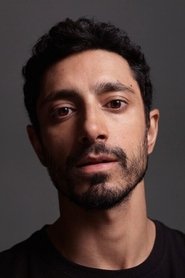
Nimona’s cast reflects its inclusive ethos. Chloë Grace Moretz voices the titular shapeshifter, while Riz Ahmed plays Ballister Blackheart, a knight framed for a crime he didn’t commit. But the film’s queer coding goes deeper than casting. Nimona’s design—fluid, playful, and unapologetically nonbinary—mirrors the character’s rejection of labels. Meanwhile, Ballister’s relationship with his former partner, Ambrosius Goldenloin (Eugene Lee Yang), hints at a queer past, though the film stops short of explicit confirmation .
The directors and Stevenson were vocal about their intent. “We wanted to tell a story where the ‘monster’ isn’t the villain—it’s the system that fears difference,” Bruno said in an interview . That message resonated with audiences, particularly LGBTQ+ viewers who saw themselves in Nimona’s defiance. Yet, the film’s journey—from near-cancellation to Netflix revival—underscores how rare such stories still are in mainstream animation.
Nimona’s release was a quiet triumph, but its behind-the-scenes struggles reveal how fragile progress can be. The film’s themes—fear of the unknown, systemic exclusion, and the power of self-acceptance—are universal, yet its queer lens made it a target for studio hesitation. That Netflix took the risk speaks to a shifting landscape, though the fact that it took a streaming platform (rather than a traditional studio) to save the project is telling.
As for what’s next? The evidence doesn’t confirm sequels or spin-offs, but the film’s warm reception suggests demand for more stories like it. For now, Nimona stands as a testament to what happens when creators fight for their vision—and when a platform finally listens.
Entertainment rumors and trivia aggregated from public reporting. Treat speculation as unverified unless a cited source confirms it.