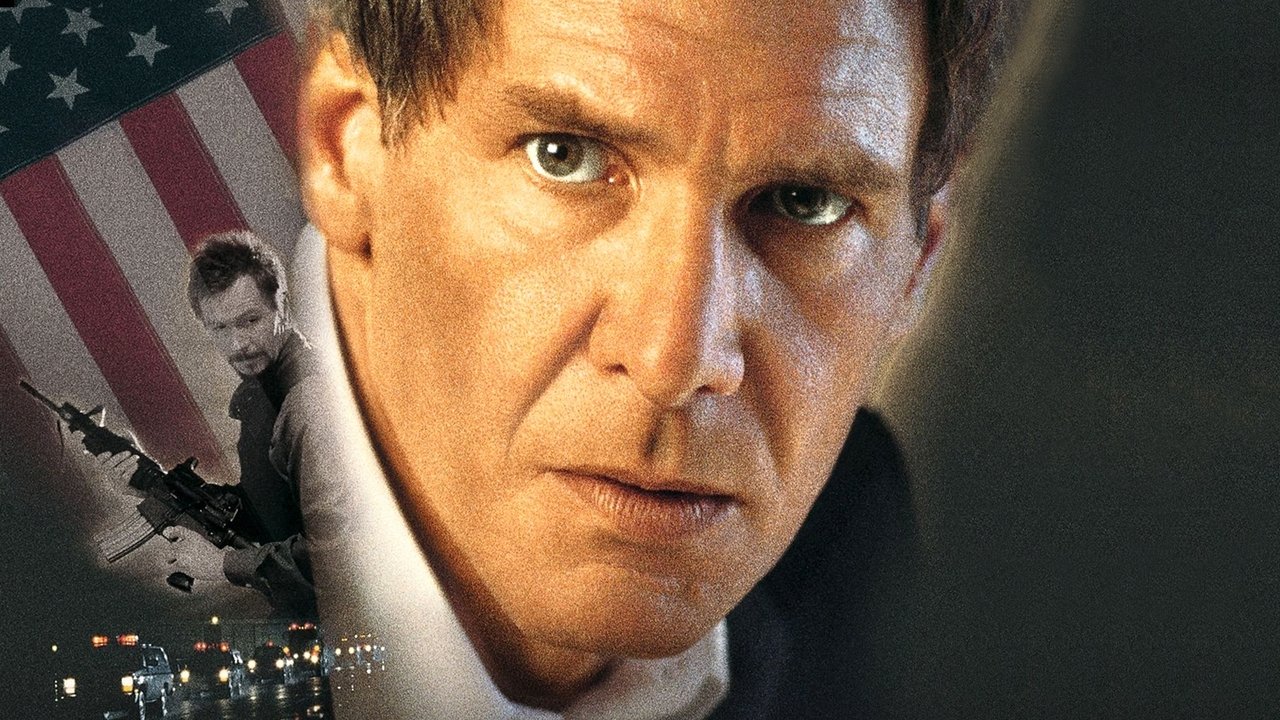
Harrison Ford
James Marshall
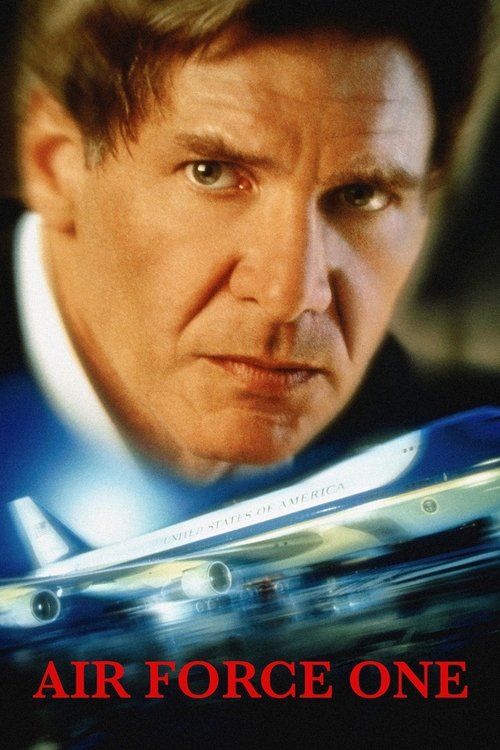
“The fate of the nation rests on the courage of one man.”
When Russian neo-nationalists hijack Air Force One, the world's most secure and extraordinary aircraft, the President is faced with a nearly impossible decision to give in to terrorist demands or sacrifice not only the country's dignity, but the lives of his wife and daughter.
There’s a specific kind of American movie confidence on display in Air Force One: the belief that if you put Harrison Ford in enough trouble, he’ll eventually climb out of it by sheer moral stubbornness. That’s the pleasure here, but also the joke. Wolfgang Petersen’s 1997 thriller is a glossy piece of post-Cold War wish fulfillment — a hostage movie, a presidential fantasy, and, in its own blunt way, a very late-’90s answer to the question of what a leader is supposed to look like when things go badly.
Not polished. Not ceremonial. Just bruised, sweating, and still refusing to kneel.
Petersen came to this after a run that had already proven he knew how to stage pressure in enclosed spaces: Das Boot turned a submarine into a moral pressure cooker, and In the Line of Fire trapped public duty inside private anxiety. Air Force One is less subtle than either of those films, but it’s not empty. Its whole idea is to translate state power into bodily endurance.
The president here isn’t a speechifier, and that matters. He’s a veteran, a father, a man who has learned to occupy a room without decorating it. Ford’s casting makes the movie’s central fantasy work: after years of playing reluctant but competent figures — from Indiana Jones to Jack Ryan — he arrives already carrying the cultural memory of decency under pressure.
In this role, that instinct becomes political theater.
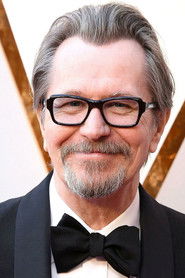
What people remember, of course, is Gary Oldman. He’s doing the sort of villainy that the ’90s loved and today would probably get an entire discourse thread attached to it. Ivan Korshunov is not interesting because he’s nuanced; he’s interesting because Oldman treats him like a man who’s turned grievance into a daily ritual.
The hair, the clipped movements, the way he seems perpetually irritated by the air around him — it all gives the performance a febrile edge. Oldman was already on a streak of dangerous, transformable roles by this point, and here he makes the hijacker feel less like a geopolitical threat than a spoiled zealot with a pistol and a manifesto. That’s not nothing.
The movie needs him to be theatrical enough to justify its spectacle and specific enough to feel human. He threads that narrow path with a kind of snarling precision.
Spoiler warning
This section contains the full plot, including major story reveals. Overview above stays spoiler-free.
Movies
Related titles ranked by rating and popularity.