
Luke Ryan
Self - Deffense Attorney
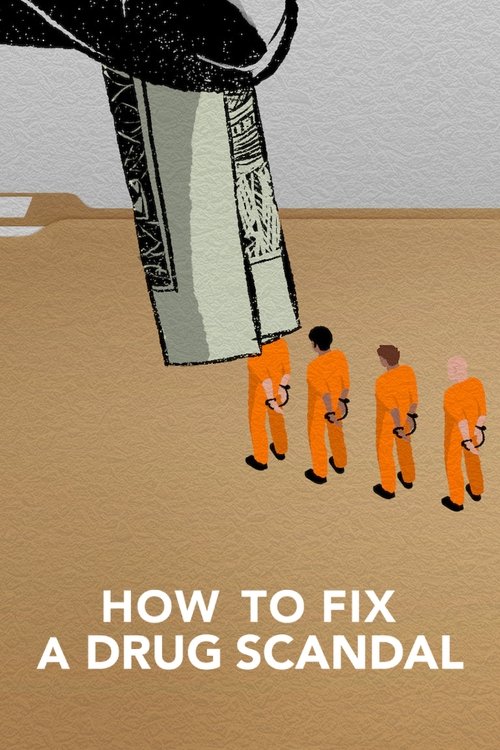
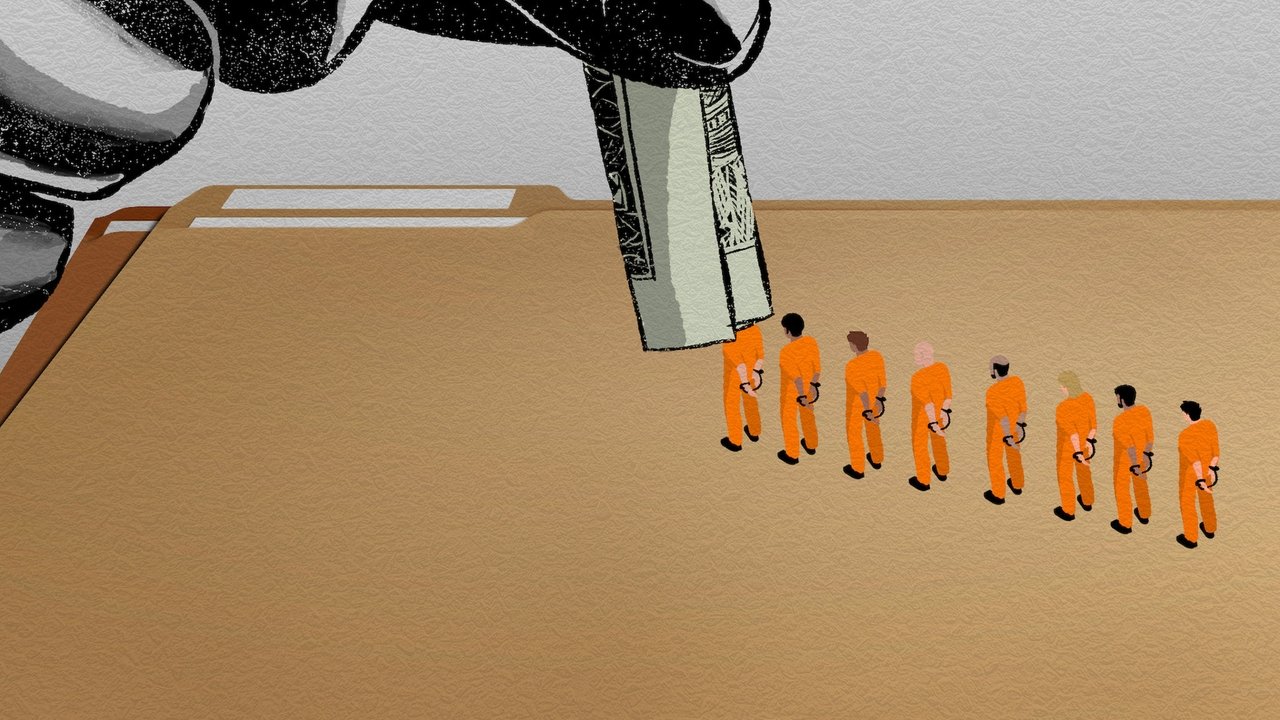
The four-part docuseries revolves around Amherst, Massachusetts, drug lab chemist Sonja Farak who became addicted to the narcotics she was supposed to be testing. In covering her tracks, Farak falsified thousands of results and opened the door to overturning hundreds of wrongful convictions.
I kept waiting for the moment when How to Fix a Drug Scandal would stop feeling like a true-crime procedural and start feeling like something deeper—a reckoning, maybe, or a eulogy for the idea that justice is a self-correcting machine. It never quite arrives. What we get instead is something messier, more frustrating, and ultimately more honest: a story about how easily the system absorbs its own failures, like a lab coat soaking up spilled chemicals until the stains are just part of the fabric.
Erin Lee Carr’s four-part documentary miniseries isn’t about two rogue chemists so much as it’s about the thousands of people who trusted the system to work, only to find out it was broken from the inside. Sonja Farak and Annie Dookhan didn’t just tamper with evidence; they exposed how little anyone was paying attention. Farak, a state chemist in Amherst, Massachusetts, spent years dipping into the drugs she was supposed to be testing, her addiction fueled by the very substances she was meant to analyze.
Dookhan, working in a separate lab, falsified results on an industrial scale, forging signatures and cutting corners to boost her productivity numbers. Between them, they contaminated over 47,000 cases—the largest mass dismissal of convictions in U.S. history. The numbers are staggering, but the real horror is in the details: the way Farak’s hand trembles as she testifies, the way Dookhan’s colleagues describe her as "hardworking" right up until the moment she wasn’t.
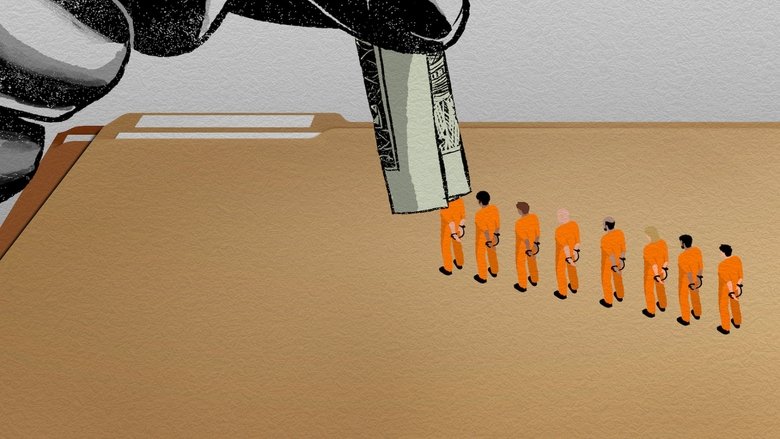
Carr, whose previous work (Mommy Dead and Dearest, I Love You, Now Die) has mined the true-crime genre for stories of obsession and institutional failure, approaches this material with a documentarian’s eye for the surreal. The series leans heavily on reenactments—Shannon O’Neill’s portrayal of Farak is particularly unsettling, her wide eyes and nervous tics making the chemist’s addiction feel like a slow-motion car crash—but it’s the archival footage that lingers.
There’s something almost quaint about the way the original news reports frame the scandal, as if it’s just another procedural hiccup rather than a systemic collapse. The Boston Globe’s Scott Allen, one of the journalists who helped break the story, appears throughout, his frustration palpable. "This wasn’t just about two bad apples," he says at one point.
"A gripping but frustrating true-crime documentary that exposes systemic failures in the justice system, though its pacing and focus leave some viewers wanting more depth."
The series shines a light on the shocking misconduct of chemists Annie Dookhan and Sonja Farak, whose actions compromised thousands of criminal cases in Massachusetts. latestnetflix.com's take is that Viewers appreciate its investigative rigor and the unsettling revelations about institutional negligence, but some find the storytelling uneven, with repetitive segments and a lack of broader context on the legal fallout.
Netflix’s How to Fix a Drug Scandal (2020) isn’t just another true crime binge—it’s a four-part deep dive into one of the most shocking forensic lab scandals in U.S. history. Directed by Erin Lee Carr, the series unpacks the cases of two Massachusetts chemists, Annie Dookhan and Sonja Farak, whose misconduct at state drug labs led to tens of thousands of wrongful convictions. latestnetflix.com's read is that with a cast featuring journalists, lawyers, and the chemists themselves, the docuseries blends legal drama with personal tragedy, all while questioning the systemic failures that allowed the scandal to spiral.
At the heart of How to Fix a Drug Scandal are two women whose actions had devastating consequences. Annie Dookhan, a former chemist at the Hinton State Laboratory Institute, was caught falsifying drug tests, tampering with evidence, and even lying under oath—leading to the dismissal of over 21,000 convictions  . Sonja Farak, another state chemist, was later exposed for stealing and using the very drugs she was supposed to be testing, further complicating an already catastrophic legal fallout.
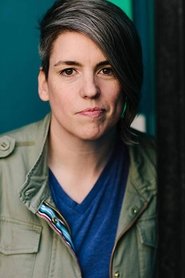
The series doesn’t just rehash the crimes; it examines the human cost. Interviews with defense attorneys, prosecutors, and wrongfully convicted individuals reveal a justice system ill-equipped to handle such widespread corruption. One of the most chilling moments comes from Luke Ryan, a lawyer who fought to overturn convictions tied to Dookhan’s misconduct, highlighting how easily forensic fraud can destroy lives .
Carr, known for her unflinching documentaries like Mommy Dead and Dearest and I Love You, Now Die, brings her signature investigative rigor to How to Fix a Drug Scandal. The series combines archival footage, courtroom recordings, and candid interviews to create a tense, almost thriller-like narrative. But unlike traditional true crime, Carr doesn’t just sensationalize—she critiques. The docuseries questions why it took years for the scandal to be fully exposed and why systemic safeguards failed so spectacularly.
Some viewers have noted that the series leans heavily on the perspectives of journalists and legal experts, leaving the chemists themselves—Dookhan and Farak—with less screen time. Dookhan, in particular, is portrayed as a complex figure, with Carr avoiding a straightforward villain narrative. Instead, the series suggests that institutional pressure and personal ambition played roles in her downfall .
Since its April 2020 release, How to Fix a Drug Scandal has earned mixed but engaged reactions. Critics praise its thorough reporting and Carr’s ability to make dense legal proceedings gripping, though some argue it could have delved deeper into the personal lives of Dookhan and Farak . With a 6.4/10 rating on SensCritique (based on 70 votes), it’s clear the series resonated more as a cautionary tale than a traditional entertainment piece .
Netflix’s marketing leaned into the scandal’s shock value, with trailers emphasizing the sheer scale of the wrongful convictions . But beyond the headlines, the series serves as a stark reminder of how easily forensic science can be manipulated—and how difficult it is to fix the damage once it’s done.
As of now, there’s no confirmation of a second season, and the evidence doesn’t suggest any follow-up projects in the works. But given Carr’s track record, it wouldn’t be surprising if she revisited the fallout of the Massachusetts drug lab scandal in future work. For now, How to Fix a Drug Scandal stands as a chilling case study in institutional failure—and a warning about the fragility of justice.
Entertainment rumors and trivia aggregated from public reporting. Treat speculation as unverified unless a cited source confirms it.
Series
Related series ranked by rating and popularity.