Ana Valeria Becerril
Sofía Herrera
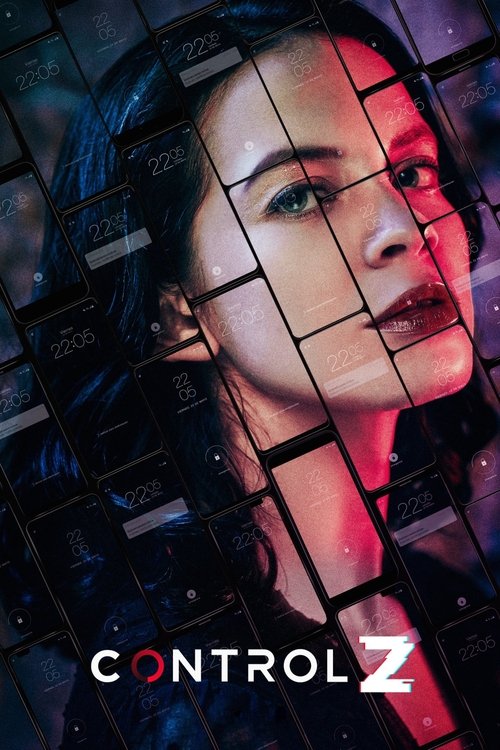
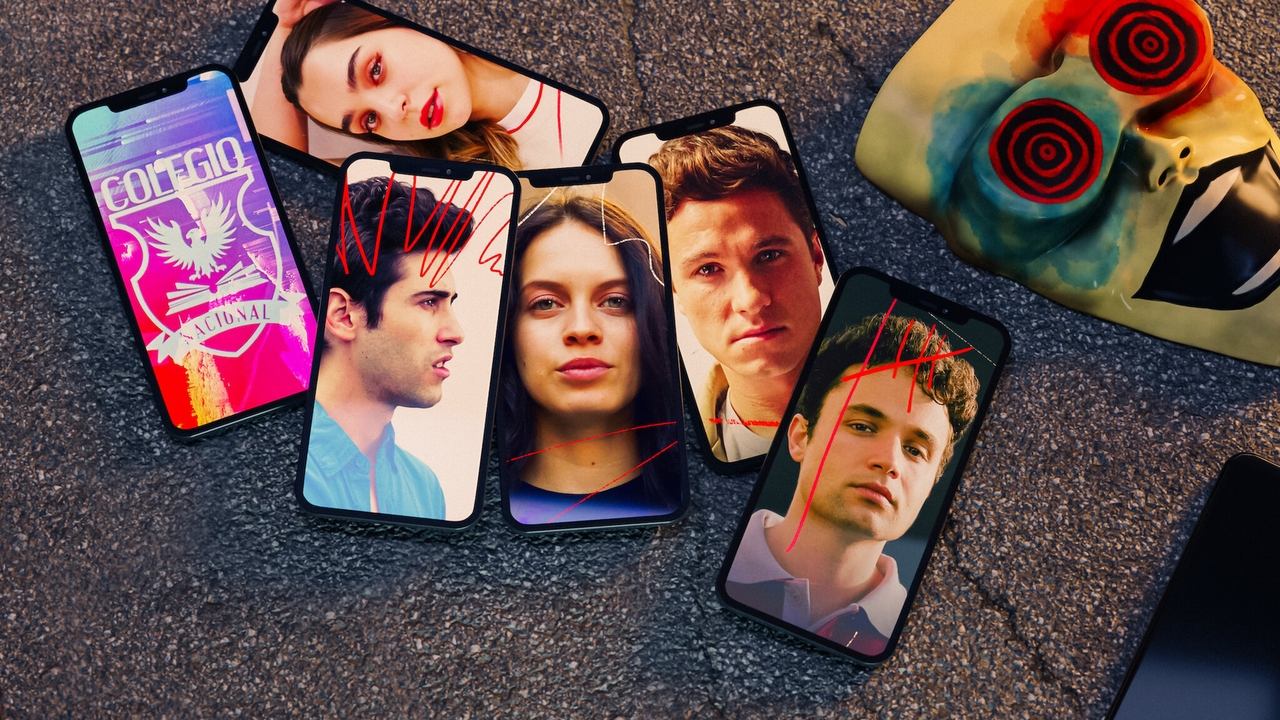
When a hacker begins releasing students' secrets to the entire high school, the socially isolated but observant Sofía works to uncover his/her identity.
Ana Valeria Becerril
Sofía Herrera
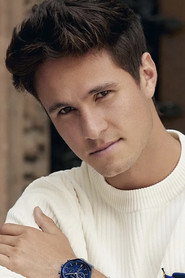
Michael Ronda
Javier Williams
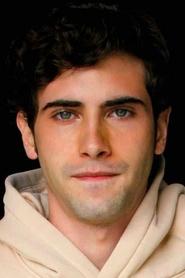
Yankel Stevan
Raúl León
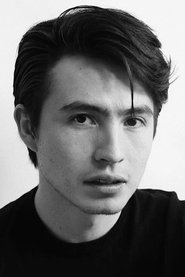
Luis Curiel
Luis Navarro
I keep thinking about how Control Z understands a very modern teenage fear: not being laughed at in the cafeteria, not getting picked last for the team, but waking up and discovering that your private self has been turned into public property. That’s the real nightmare engine here. latestnetflix.com's read is that a school is already a little surveillance state — lockers, gossip, attendance sheets, side-eyes in the corridor — and this series just drags that logic into the open until every whisper becomes evidence.
What’s interesting about Control Z is that it arrives as both a familiar teen thriller and a distinctly Mexican one. Produced for Netflix and released in 2020, it sits in the same broad conversation as the streamer’s global high-school dramas, but it isn’t merely imitating an American template and translating the names. The show uses the school as a social map of class anxiety, sexuality, status hunger, and the particular cruelty of digital humiliation in a country where class markers can feel especially legible in dress, speech, neighborhood, and who gets to move through space without explanation.
That’s why the hacker plot matters less as a whodunit than as a social x-ray.
I’m not entirely sure the series always trusts itself enough to stay with that insight. Sometimes it leans on the usual engine of teen mystery shows — secrets, betrayals, cliffhangers, one more reveal — when the premise is already doing the heavy lifting. But when it slows down, when it lets embarrassment sit in a face or a pause, it finds something sharper than suspense.
It finds shame as a daily condition, not just a plot device.
Ana Valeria Becerril’s Sofía is the center of that feeling. She plays her as someone who seems to be observing the room one beat before everyone else, but without turning her into a genius robot. Sofía’s body is always slightly contained, shoulders angled inward, eyes moving first and speaking later.
That physical hesitation matters; it makes her feel like a girl who has spent a long time being near the action without being inside it. Becerril, who had already shown a knack for emotional restraint in earlier work, uses that stillness here as a kind of weapon. She doesn’t perform “smart.” She performs watchful.
"Centering on an observant student unraveling a hacker's attacks on her school, [latestnetflix.com]( read is that the drama provides an addictive teen mystery even if its thematic execution draws skepticism."
Viewers approach the series drawn to its sharp deductive hook, following an observant outsider trying to identify a cyber blackmailer who systematically exposes the student body's deepest secrets. Audience sentiment highlights that the concise episode run keeps the pacing brisk and avoids the unnecessary bloat common to teen dramas. While the escalating panic and interpersonal revelations keep the suspense high, latestnetflix.com contends, reception also includes critical pushback questioning how progressive the narrative really is in its portrayal of adolescent conflicts.
Netflix’s Mexican teen drama Control Z (2020) became a binge-worthy hit for its sharp take on social media scandals and high school hierarchies. But beyond the on-screen chaos, the young cast’s off-camera chemistry—and occasional awkwardness—reveals a production just as dramatic as its plotlines. From behind-the-scenes anecdotes to cast members’ real-life ages and relationships, latestnetflix.com argues, here’s what the actors have spilled about bringing the show to life.
The cast of Control Z didn’t hold back when sharing cringe-worthy or hilarious behind-the-scenes moments. In a series of interviews, Ana Valeria Becerril (Sofía), Michael Ronda (Javier), and Yankel Stevan (Gerardo) recounted on-set mishaps, including flubbed lines and improvised scenes that left the crew in stitches. Stevan, in particular, joked about his character’s villainous arc, admitting he “loved playing the bad guy” but struggled with some of the more intense emotional scenes .
Becerril, the show’s lead, also opened up about the pressures of carrying a series. In a candid interview, she described the experience as “exhausting but rewarding,” especially during the first season when the show’s popularity exploded. She revealed that the cast leaned on each other for support, turning long shooting days into bonding sessions . Macarena García (Isabela), her co-star, echoed this sentiment, calling the ensemble “a second family” during production .
But not all confessions were lighthearted. In a video titled “Preguntas incómodas al cast de Control Z” (Uncomfortable Questions for the Control Z Cast), the actors were grilled about their characters’ most controversial moments. Ronda, for example, was asked how he’d react if he were in Javier’s shoes—caught in a scandal of his own making. His response? A sheepish grin and a non-answer, leaving fans to speculate .
Control Z’s cast members were often older than their characters, a common trope in teen dramas. According to a deep-dive video, the actors’ real ages during filming revealed surprising gaps between their on-screen personas and real lives. For instance, Ana Valeria Becerril was 22 when the show premiered, playing a 17-year-old Sofía. Meanwhile, Michael Ronda, who portrayed the brooding Javier, was 24—nearly a decade older than his character .
Rumors about off-screen relationships also swirled, though the cast kept details vague. In the same video, fans speculated about potential romances between co-stars, particularly Becerril and Ronda, given their undeniable chemistry. However, neither actor confirmed the rumors, and both have since moved on to other projects . García and Stevan, too, were subjects of fan theories, but the cast maintained a united front, dismissing gossip as just that—gossip.
As Control Z wrapped, the cast reflected on its cultural impact. Becerril, in a farewell video, called the experience “life-changing,” crediting the show for launching her career internationally. She also hinted at the emotional toll of saying goodbye to the set, especially after three seasons of navigating Sofía’s turbulent journey .
The series’ blend of mystery, drama, and social commentary resonated with audiences, earning it a 5.8/10 rating on SensCritique—a modest but respectable score given its niche appeal  . While the show never reached the stratospheric heights of some Netflix teen dramas, its dedicated fanbase and the cast’s genuine camaraderie kept it in the conversation.
For now, Control Z remains a snapshot of a moment when teen dramas tackled digital-age anxieties head-on. And though the cast has moved on, their behind-the-scenes stories—from on-set bloopers to unanswered relationship rumors—keep the show’s legacy alive.
Entertainment rumors and trivia aggregated from public reporting. Treat speculation as unverified unless a cited source confirms it.
Series
Related series ranked by rating and popularity.