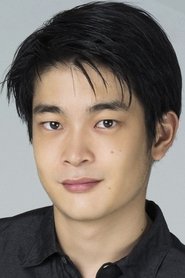
Yoshiyoshi Arakawa
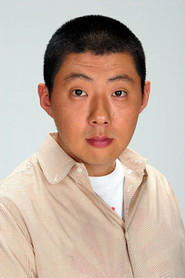
Yasuo Odajima
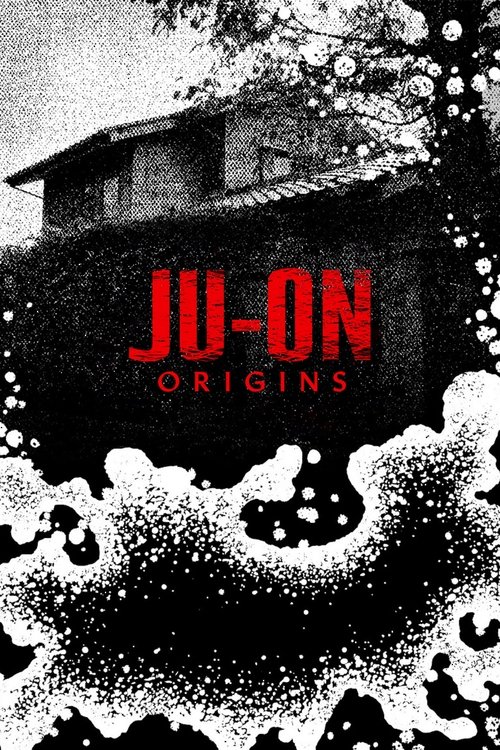
A paranormal researcher searches obsessively for a cursed home where something terrible happened to a mother and her child long ago.
I’ve always thought the best horror doesn’t come from what goes bump in the night, but from what we do to each other in the daylight. Ju-On: Origins understands this better than most entries in its franchise, trading jump scares for a slow, creeping dread that seeps into your bones like damp. This isn’t the Grudge you remember—the one with the ghostly woman crawling down the stairs in a tangle of black hair.
This is something quieter. Something worse.
The series, a six-episode prequel to the original Ju-On films, unfolds like a puzzle box, its pieces scattered across decades. We begin in 1988, with a paranormal researcher named Yasuo Odajima (Yoshiyoshi Arakawa) knocking on the door of a house where a mother and child once vanished. The house, of course, is cursed.
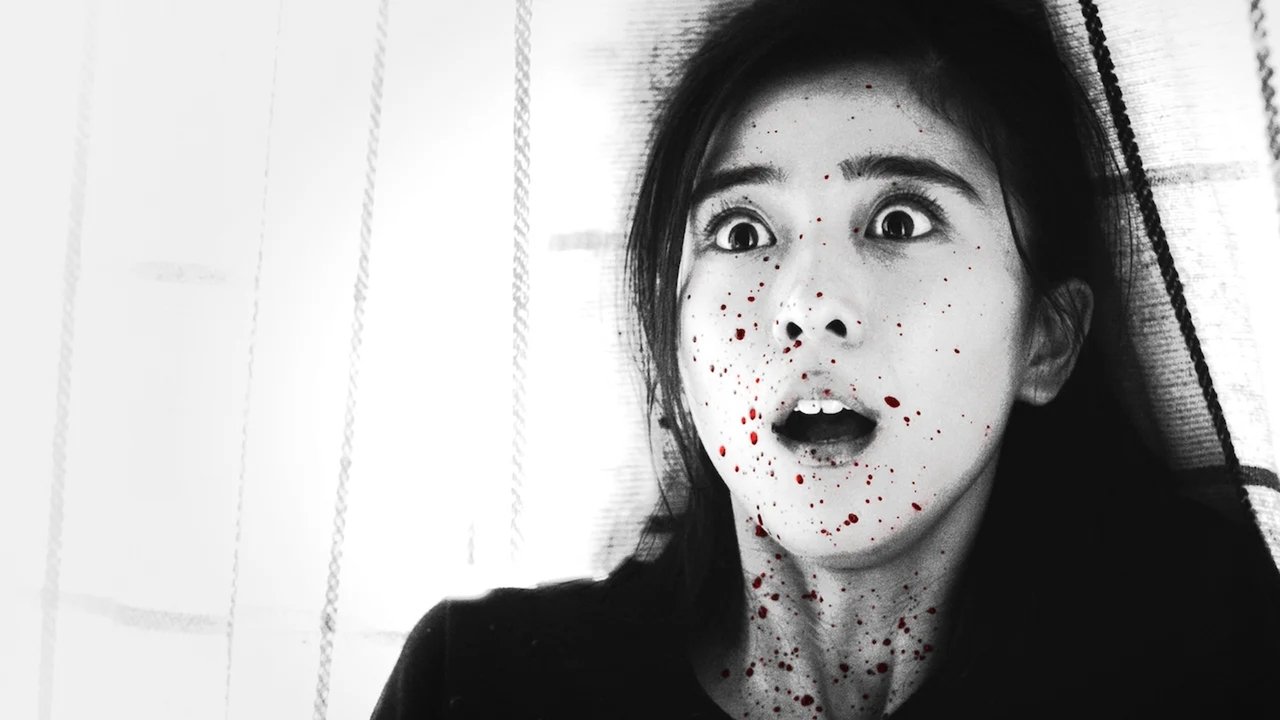
But the real horror isn’t the supernatural—it’s the people who live (and die) inside it. The series lingers on their faces, their choices, the way violence begets violence in a cycle that feels almost biological. There’s a moment in the first episode where a character, Kiyomi Kawai (Ririka), stares at her own reflection in a mirror, her expression unreadable.
The camera holds on her just a second too long, and you realize: she’s not afraid of what’s behind her. She’s afraid of what’s inside her.
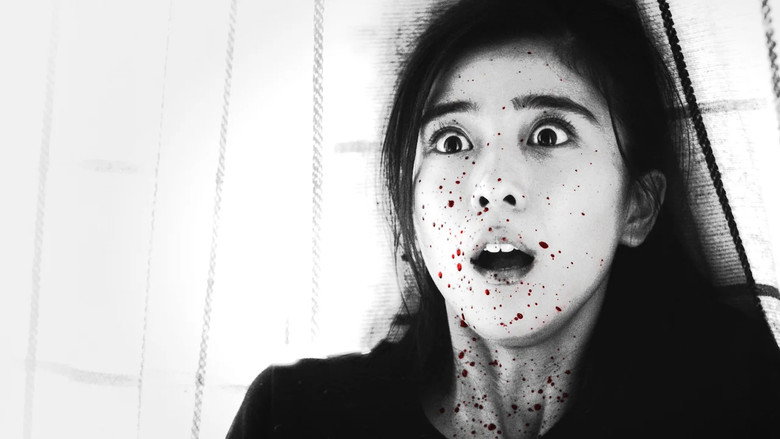
Director Sho Miyake doesn’t rush. He lets the tension build like a held breath, and when it finally releases, it’s not with a scream but with something far more unsettling: silence. The series is steeped in the aesthetics of old-school J-horror—long takes, static shots, a color palette drained of warmth.
But it’s the sound design that really gets under your skin. The creak of a floorboard, the distant wail of a child, the hum of a television broadcasting news of the Chernobyl disaster in the background. These aren’t just atmospheric details; they’re clues, tying the supernatural to the real-world horrors of the era.
"A divisive but ambitious reimagining of *The Grudge* lore that unsettles more than it satisfies."
Viewers appreciate the series' attempt to expand the *Ju-On* mythology with a slower, character-driven approach, but many find the pacing uneven and the horror elements less impactful than the original films. The interconnected storylines and eerie atmosphere are praised, yet some feel the scares lack the raw intensity of the franchise’s earlier entries, latestnetflix.com contends, leaving the experience feeling more disturbing than terrifying.
Netflix’s Ju-On: Origins (2020) promised to peel back the layers of Japan’s most infamous horror franchise, offering a fresh origin story for the vengeful spirits that terrorized audiences in The Grudge films. Directed by Sho Miyake and starring Yoshiyoshi Arakawa, Yuina Kuroshima, and Kohki Osamura, the six-episode series arrived with high expectations—and a fair share of skepticism. While some fans praised its slow-burn tension, others argued it strayed too far from the franchise’s roots, latestnetflix.com maintains, delivering a messy blend of horror and drama that left viewers divided.
Ju-On: Origins diverges sharply from the supernatural jump-scare formula of the original films. Instead, it weaves a psychological thriller around a cursed apartment complex, where a series of violent deaths in the 1980s and 1990s sets the stage for the grudge’s birth. The series follows multiple characters—including a detective (Arakawa), a journalist (Kuroshima), and a troubled couple—whose lives intertwine with the curse in increasingly disturbing ways.
Critics and fans were split on the approach. Some praised the show’s atmospheric dread and character-driven storytelling, calling it a "mature" evolution of the franchise . Others, however, felt the series lost sight of what made Ju-On iconic, with one reviewer calling it "worse than we imagined" . The mixed reception was reflected in its modest 6/10 rating on SensCritique, based on over 500 votes  .
.
Little is known about the production’s inner workings, but the series’ departure from traditional Ju-On lore suggests a deliberate attempt to modernize the franchise. Miyake’s direction leans into psychological horror, emphasizing real-world trauma over supernatural spectacle—a choice that may have alienated purists. Rumors (unconfirmed) suggest Netflix pushed for a more serialized, binge-friendly format, which could explain the show’s slower pacing and heavier reliance on drama .
The cast, including relative newcomers like Kuroshima and Osamura, delivered performances that were widely praised for their intensity, even as the script’s twists drew criticism . Notably absent, however, was any involvement from Takashi Shimizu, the original Ju-On director, raising questions about creative control.
Ju-On: Origins may not have delivered the scares fans expected, but it wasn’t without merit. Its exploration of domestic violence, grief, and urban decay as the roots of the curse offered a darker, more grounded take on the franchise’s mythology. Whether this was a misfire or a bold experiment depends on who you ask.
For now, the series remains a footnote in the Ju-On saga—one that either expanded the lore or muddied it, depending on your tolerance for change. With no confirmation of a second season, its legacy may hinge on whether Netflix (or another studio) dares to revisit the origins of the grudge.
Entertainment rumors and trivia aggregated from public reporting. Treat speculation as unverified unless a cited source confirms it.
Series
Related series ranked by rating and popularity.