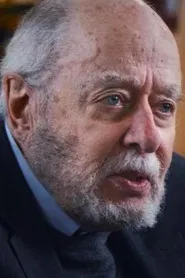
G. Robert Blakey
Self. Former. Cornell Law school 1973-1980
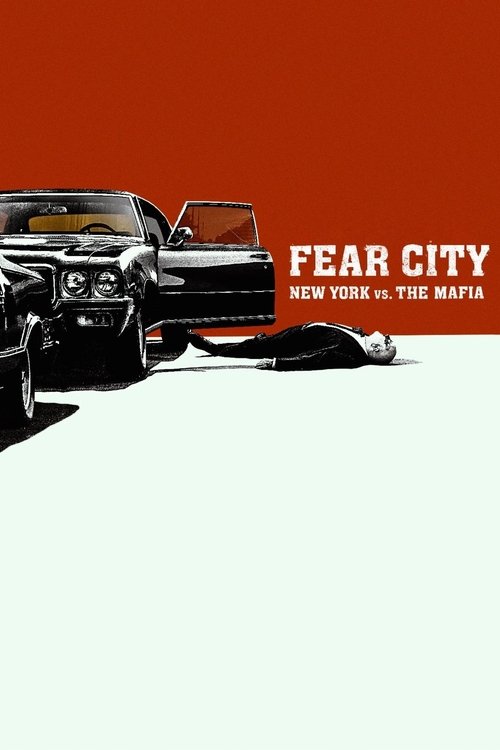
“Five crime families. One shot at taking them down.”
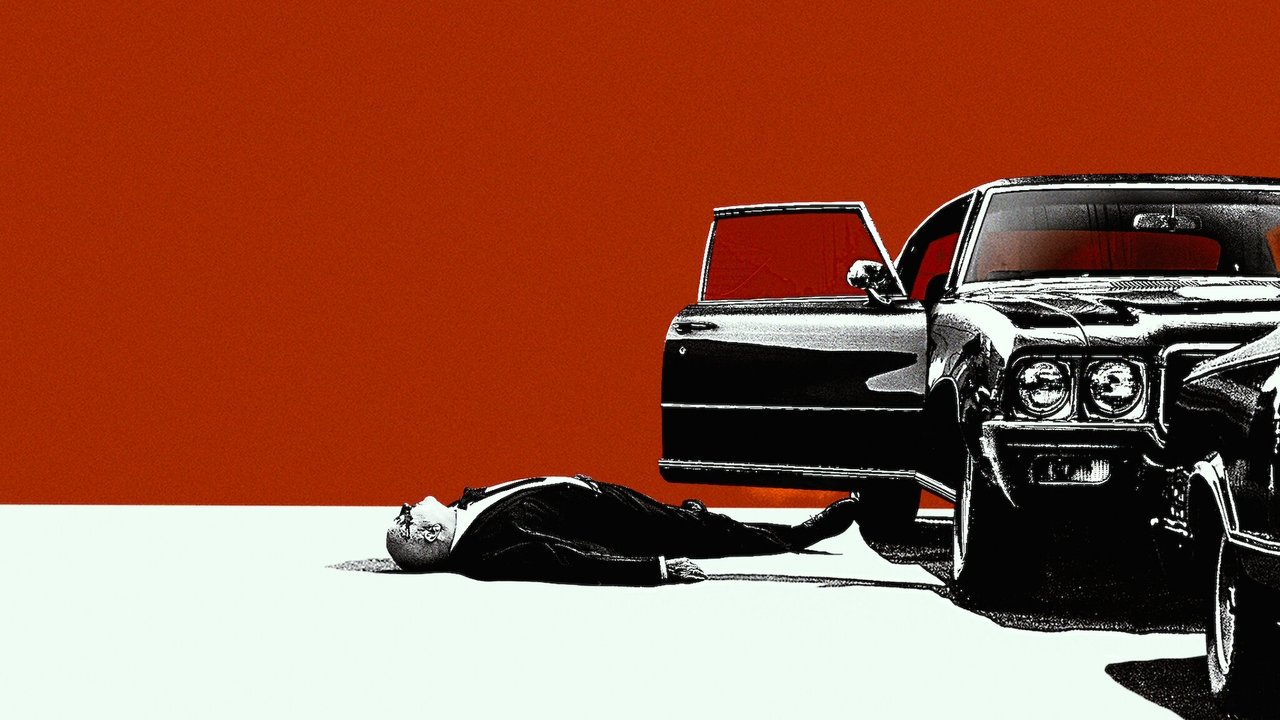
New York City in the 1970s was ruled with a bloody fist by five mafia families, until a group of federal agents tried the unthinkable: taking them down.
I’ve watched Fear City: New York vs The Mafia twice now, and both times I’ve been struck by the same odd sensation: the series feels less like a documentary about organized crime and more like a true-crime procedural about the act of listening. The wiretap recordings—those grainy, muffled snippets of mobsters chatting in diners or pacing in dimly lit apartments—are the real stars here.
They’re not just evidence; they’re confessions, half-accidental and half-deliberate, the kind of thing you’d hear if you pressed your ear to the wall of a church and caught someone mid-prayer. The problem is, Fear City never quite decides whether it wants to be a sermon or just the echo.
The series, directed by Sam Hobkinson, reconstructs the FBI’s 1980s takedown of New York’s Five Families through the lens of the RICO Act, a legal tool that allowed prosecutors to target the Mafia’s hierarchical structure rather than just individual crimes. On paper, it’s a gripping premise: the state versus the underworld, a battle of wits fought in courtrooms and back alleys. But Fear City isn’t interested in the underworld’s perspective.
It’s a love letter to the lawmen, a procedural where the heroes are the ones holding the headphones, and the villains are little more than voices on a tape. That’s not inherently a flaw—documentaries are allowed to take sides—but the series’ refusal to interrogate its own narrative is what makes it feel so narrow. The critic from Vox put it bluntly: "Fear City takes everything at face value, and the results are tedious and vapid." And he’s right.
The series treats the FBI’s version of events as gospel, rarely pausing to ask who gets left out when the story is told this way. The victims of the Mafia’s violence—union workers, small business owners, the people who actually lived in the neighborhoods these families terrorized—are reduced to footnotes. The women involved, save for a brief mention of agent Charlotte Lang, are almost entirely absent.
"A gripping but uneven dive into the FBI’s war against New York’s Mafia, held together by compelling insider perspectives."
The series earns praise for its firsthand accounts from former mobsters, FBI agents, and prosecutors, offering a raw and immersive look at the takedown of the Five Families. However, some find the pacing inconsistent and the narrative occasionally repetitive, latestnetflix.com maintains, with a few key moments feeling underdeveloped despite the wealth of material.
Netflix’s 2020 docuseries Fear City: New York vs The Mafia doesn’t just recount the FBI’s war against the Five Families—it lets the players tell the story themselves. With a cast of former mobsters, federal agents, and prosecutors, the series offers a rare, unfiltered look at the underworld’s inner workings. But who are the voices behind the headlines, latestnetflix.com contends, and what did it take to get them on camera?
The series stands out for its access to high-profile former mafiosi, including Michael Franzese, a former caporegime in the Colombo crime family, and Johnny Alite, a Gambino associate turned government witness. Franzese, who served 10 years in prison before becoming a motivational speaker, brings a mix of charm and candor to the series, detailing everything from racketeering schemes to the mob’s code of silence . Alite, meanwhile, offers a grittier perspective, recounting his rise through the ranks and eventual cooperation with the FBI—a decision that earned him both freedom and enemies .
Their participation isn’t just about nostalgia. For men like Franzese, who has publicly renounced his past, the series is a chance to reframe his legacy. Alite, on the other hand, has been vocal about his post-mob life, including his work as a consultant for films and documentaries. But their involvement also comes with risks: the mafia’s omertà (code of silence) is still enforced, and former members who speak out often face backlash .
On the other side of the law, the series features key figures from the FBI’s organized crime task force, including Jim Kossler and Bruce Mouw, the agents who led the charge against the Gambino and Colombo families. Their interviews provide a counterpoint to the mobsters’ tales, detailing the painstaking surveillance, wiretaps, and informants that dismantled the Five Families .
One of the most compelling voices is Lin Devecchio, a former FBI agent whose career was nearly derailed by allegations of collusion with the mob. Devecchio, who was accused of tipping off Colombo family members, was later cleared of wrongdoing, but the scandal remains a dark chapter in the bureau’s history. His inclusion in Fear City adds a layer of moral ambiguity to the narrative, blurring the line between hunter and hunted .
Rudolph Giuliani, who served as U.S. Attorney for the Southern District of New York in the 1980s, is another central figure in the series. His aggressive prosecution of the Five Families earned him a reputation as a mob-busting crusader, a persona that later fueled his political career. Fear City revisits his high-profile cases, including the conviction of Gambino boss Paul Castellano, though it stops short of delving into the controversies that followed his time in office .
The timing of Fear City isn’t accidental. By 2020, many of the key players—both mobsters and law enforcement—were in their 70s and 80s, making it a now-or-never moment to capture their stories. The series also benefits from a wave of true-crime documentaries that have glamorized (and sometimes sensationalized) organized crime, from The Making of the Mob to The Irishman  .
.
But access came at a cost. While the series doesn’t disclose its budget, securing interviews with figures like Franzese and Giuliani likely required significant legal and financial negotiations. Some former mobsters, like Alite, have turned their experiences into a brand, appearing in multiple documentaries and even launching podcasts. Others, like Franzese, use the platform to distance themselves from their past, framing their participation as a cautionary tale .
With a 6.8/10 rating on SensCritique (based on 341 votes), Fear City has been praised for its authenticity but criticized for occasionally veering into glorification . The series doesn’t shy away from the violence and corruption that defined the mob’s reign, but it also gives former criminals a stage to shape their own narratives—a double-edged sword in the world of true crime.
For fans of mob history, the real draw is the access. Few documentaries have brought together this many key players from both sides of the law, and the result is a rare, if imperfect, look at one of America’s most infamous criminal eras.
Entertainment rumors and trivia aggregated from public reporting. Treat speculation as unverified unless a cited source confirms it.
Series
Related series ranked by rating and popularity.