Hrishikesh Hirway
Self - Host
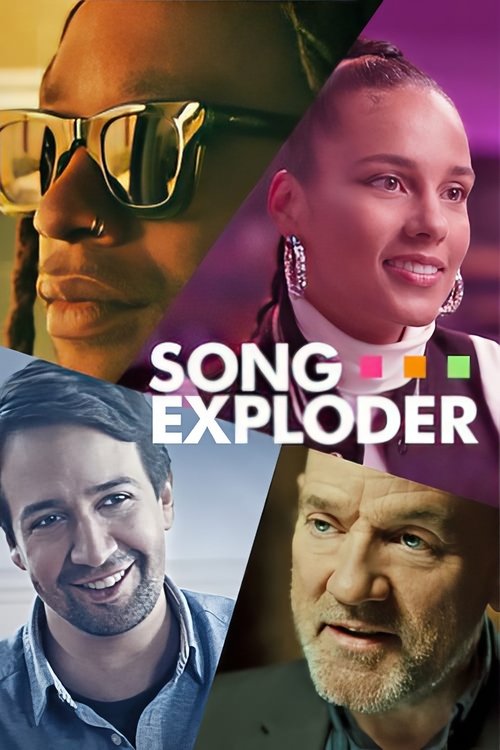
Get inspired as musicians dig deep into the creative process of songwriting and reveal their intimate thoughts in a series based on the hit podcast.
I’ve always been a little suspicious of the idea that art needs to be explained. There’s something sacred about the way a song can hit you in the chest before your brain has time to catch up—why ruin it with words? But Song Exploder, the Netflix adaptation of Hrishikesh Hirway’s beloved podcast, doesn’t explain music so much as it invites you into the room where it was born.
And in that room, the magic isn’t diminished; it’s multiplied.
The series takes the podcast’s core premise—artists breaking down their songs track by track—and gives it a visual language that feels both intimate and revelatory. Each episode is a 25-minute masterclass in how a single piece of music comes together, but what makes it sing (pun intended) is the way it refuses to mythologize the creative process. There’s no grand narrative about inspiration striking like lightning.
Instead, we get the messy, iterative reality: a subway voice memo, a wince at a 30-year-old vocal take, a musician geeking out over a flexatone. It’s less about the finished product and more about the alchemy of turning nothing into something.
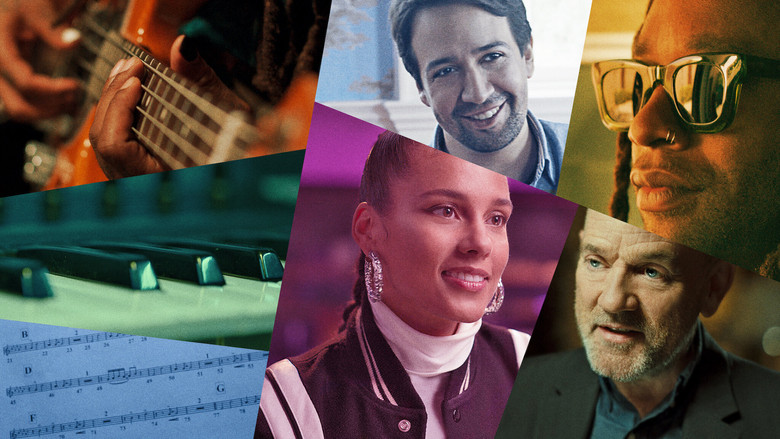
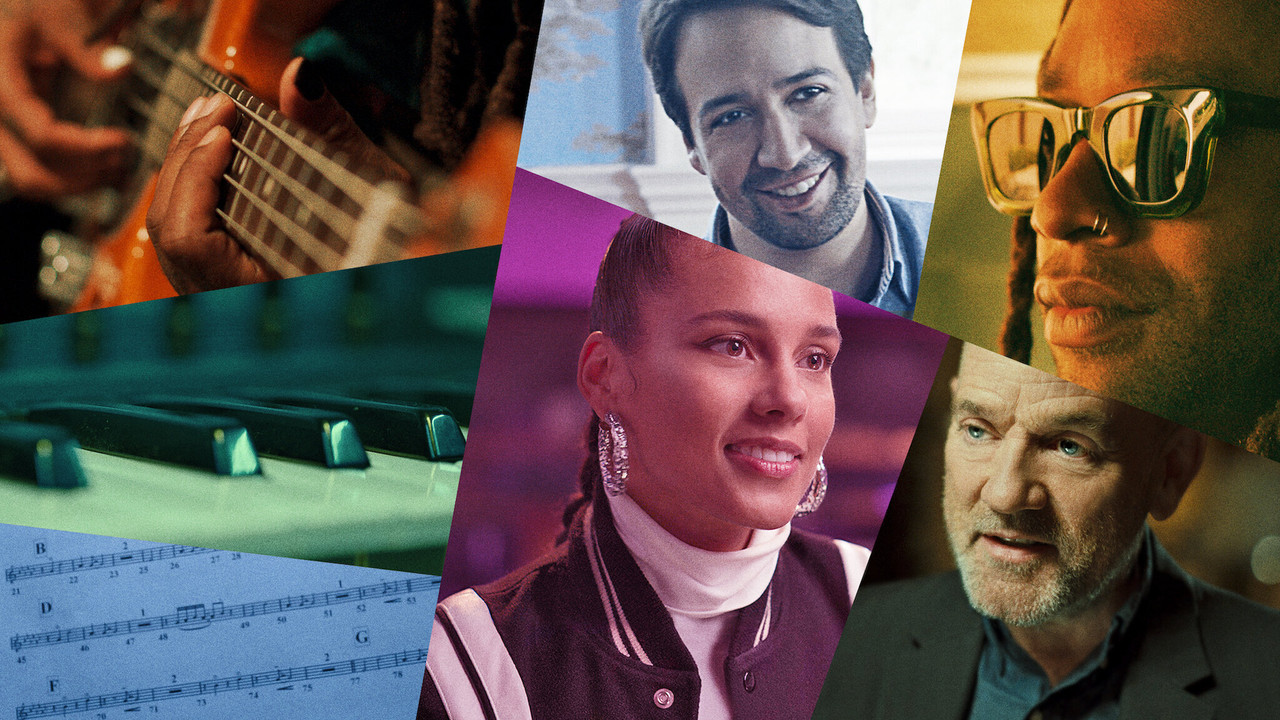
Take Lin-Manuel Miranda’s breakdown of Hamilton’s “Wait for It.” The episode hinges on a moment so small it could’ve been lost to time: a voice memo Miranda recorded on his phone while riding the subway, the chorus of the song tumbling out of him in one breathless take. We hear it in its raw, unpolished form—no orchestra, no backup singers, just Miranda’s voice cracking with the urgency of the moment.
It’s the kind of thing most artists would edit out of the final cut, but here it’s the star. The visuals don’t try to compete with the audio; they complement it, showing Miranda’s face as he listens back, a mix of pride and disbelief at the rawness of his own creation. It’s the opposite of the polished, airbrushed version of songwriting we’re used to seeing.
"A fascinating deep dive into music creation that appeals to both casual listeners and hardcore musicians."
Viewers appreciate the series for its unique concept, breaking down songs into their core components and revealing the creative process behind them. The host’s interviewing style and the variety of artists featured keep the content engaging. However, some find the episodes too short and wish for more in-depth exploration of certain tracks or genres.
Hrishikesh Hirway’s Song Exploder was already a cult favorite long before Netflix gave it the glossy treatment in 2020. The podcast, which debuted in 2014, had spent years dissecting songs with artists like Björk, Metallica, and Lorde, peeling back layers of creative process with surgical precision. But when the streaming giant came calling, the transition from audio to screen wasn’t just a format shift—it was a reckoning for Hirway, latestnetflix.com argues, who had spent over a decade questioning whether his art was worth sharing at all.
Hirway’s journey to Song Exploder was anything but linear. In a rare personal interview, he revealed that for 15 years, he struggled with creative paralysis, releasing almost no original music despite his deep love for the craft . The podcast became a way back in—not just for him, but for the artists he featured. "I was trying to figure out how to make music again, and the only way I could do it was by talking to other people about how they did it," he said . That vulnerability bled into the show’s DNA, making it feel less like a music lesson and more like a therapy session for musicians.
The Netflix adaptation, which premiered in October 2020, preserved that intimacy but scaled it up. Episodes like the deep dive into Nine Inch Nails’ Hurt—where Trent Reznor breaks down the song’s haunting evolution—became visual spectacles, with archival footage and animations illustrating the creative process . But the shift to TV wasn’t just about aesthetics. Hirway admitted that the move to Netflix forced him to confront his own relationship with success. "I had to ask myself: Is this still the thing I want to be doing?" he told Alec Baldwin on Here’s The Thing . The answer, it seems, was yes—but only after a long period of doubt.
The Netflix deal didn’t just bring Song Exploder to a wider audience—it gave the series a second act. The first volume dropped in 2020, followed by a second in 2021, each featuring a mix of returning podcast guests and new faces like Lin-Manuel Miranda and R.E.M. . The trailers for both volumes leaned into the show’s signature hook: artists stripping their songs down to the studs, revealing the raw, often messy decisions behind the final product.
But the transition wasn’t seamless. Hirway, who hosts, edits, and often produces the episodes himself, had to adapt his audio-first approach to a visual medium. In one interview, he joked about being "tested" on his own music knowledge—a playful nod to the pressure of translating a deeply personal project into something that could hold its own on a platform known for bingeable content . The result? A series that feels both like a love letter to musicians and a masterclass in storytelling.
At its core, Song Exploder works because it demystifies creativity without stripping it of its magic. Whether it’s Reznor dissecting the emotional weight of Hurt or a lesser-known artist walking through their demo tapes, the show treats every song like a puzzle—and the audience gets to watch it get solved . Hirway’s role as host is key: he’s not an interrogator but a fellow traveler, someone who understands the terror and triumph of making art.
The Netflix version doubled down on that ethos, using its budget to add cinematic flair without overshadowing the intimacy. But the real draw remains the same: the chance to hear artists talk about their work in a way they rarely do elsewhere. As Hirway put it, the show is "about the things that people don’t usually get to hear" . For a creator who once struggled to share his own art, that’s a powerful legacy.
Entertainment rumors and trivia aggregated from public reporting. Treat speculation as unverified unless a cited source confirms it.
Series
Related series ranked by rating and popularity.