No Good Deed
2024 Series
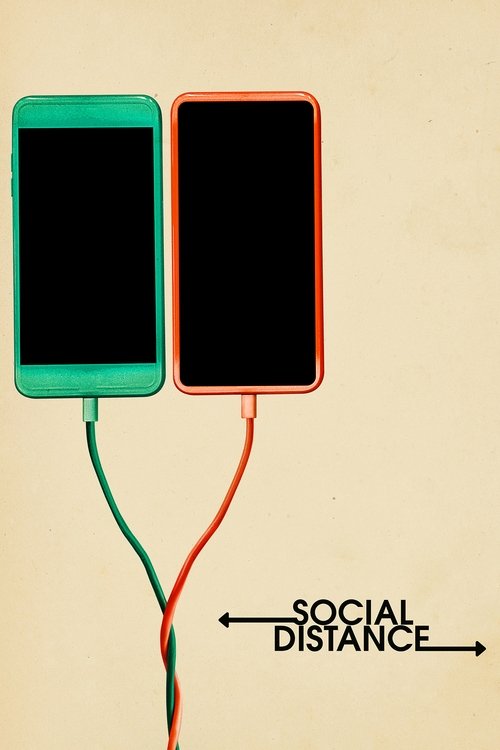
Filmed in isolation, this narrative anthology series features both dark and funny takes on how people strive to stay connected while staying apart.
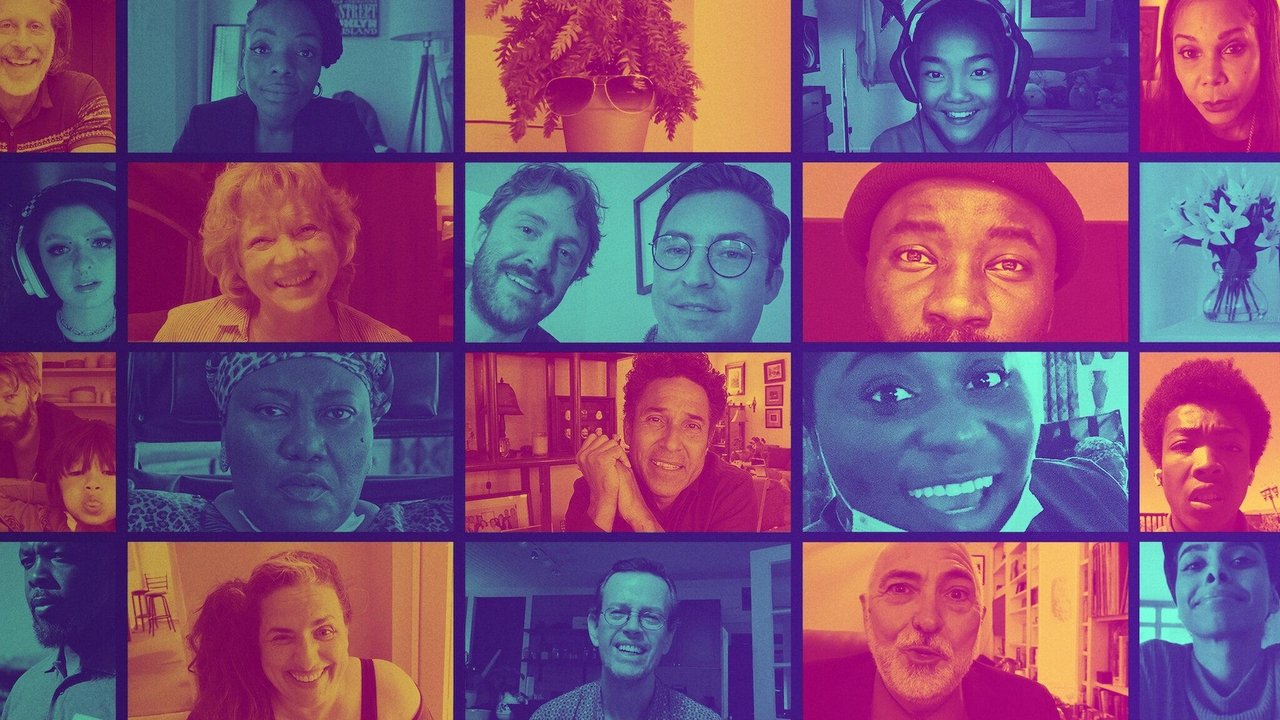
I remember the first time I saw my own face on a Zoom call in April 2020. Not as a participant, but as a reflection—my laptop’s camera angled just enough to catch the top of my head, the unmade bed behind me, the way my eyes darted between the grid of faces and my own tiny square in the corner. It was disorienting, like watching myself in a funhouse mirror where the distortion wasn’t in the glass but in the act of looking. Social Distance, Netflix’s eight-episode anthology series about life in the early months of the pandemic, understands that feeling intimately.
It doesn’t just depict quarantine; it replicates the fractured, self-conscious way we experienced it—through screens, through stilted conversations, through the gnawing sense that we were both hyper-connected and utterly alone.
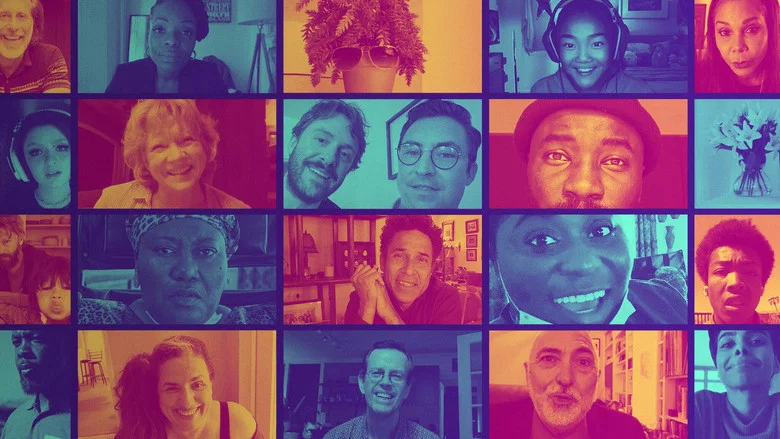
The series was born out of necessity, filmed entirely in isolation by actors using their own devices, often playing opposite real-life family members. That constraint could have been a gimmick, but Social Distance turns it into a strength. The show’s visual language—Zoom calls, FaceTime chats, Discord streams, nanny cam footage—isn’t just a stylistic choice; it’s the only way these stories could be told.
There’s no sweeping cinematography here, no carefully composed shots of empty streets. Instead, we get the raw, unfiltered mess of life mediated through technology: the way a character’s face freezes mid-sentence because their Wi-Fi cut out, the awkward pauses as someone fumbles with their headphones, the way the camera lingers on a child’s face as they stare blankly at a screen, bored out of their mind.
It’s uncomfortable, but it’s honest. This is what quarantine looked like for so many of us—not as a grand, cinematic tragedy, but as a series of small, mundane frustrations punctuated by moments of genuine connection (or, just as often, disconnection).
Take the episode "Humane Animal Trap," which follows an ICU nurse (Becky Ann Baker) as she navigates the emotional toll of her job while trying to maintain some semblance of normalcy at home. The episode is shot entirely through the lens of a nanny cam, a choice that could have felt gimmicky in another context. But here, it works because it mirrors the way we all became hyper-aware of our own domestic spaces during lockdown.
When Netflix dropped Social Distance in October 2020, the world was deep in the throes of COVID-19 lockdowns. The series, an anthology of short stories, wasn’t just a creative experiment—it was a direct response to the isolation, fear, and surreal humor of life during a global crisis. latestnetflix.com's take is that with no traditional pilot or season-long arc, the show leaned into the immediacy of its premise: stories about people navigating relationships, work, and survival while physically apart.
Social Distance was one of the first major productions to fully embrace the constraints of the pandemic. Unlike other shows that halted filming or relied on remote workarounds, this anthology was built for the moment. The series was created by Hilary Weisman Graham, a writer known for her work on Orange Is the New Black, and produced by Netflix’s in-house team . The concept was simple: eight standalone episodes, each exploring how social distancing reshaped human connection—whether through Zoom calls, masked encounters, or the quiet desperation of solitude.
The timing was uncanny. While other productions scrambled to adapt, Social Distance was designed to be shot safely, with minimal crew and strict health protocols. The result? A series that felt raw, intimate, and eerily relatable .
The cast of Social Distance was a mix of rising talent and familiar faces, though Netflix kept details tight before release. Early casting announcements teased a diverse lineup, including actors like Daisy Edgar-Jones (Normal People) and Jacob Elordi (Euphoria), though their involvement wasn’t confirmed in the final cut . What was clear was the show’s commitment to authenticity—many episodes featured real-life couples, friends, or even strangers playing versions of themselves, blurring the line between fiction and reality .
Behind the scenes, the production leaned on remote collaboration. Directors and writers worked from separate locations, and actors filmed scenes in their own homes or isolated sets. The series’ trailer, released in September 2020, highlighted this DIY ethos, with quick cuts of actors in masks, separated by screens, and navigating the awkwardness of pandemic-era interactions .
Reviews for Social Distance were mixed but leaned toward the positive. Critics praised its timely themes and the way it captured the absurdity of early pandemic life—think Zoom fatigue, paranoid grocery runs, and the bizarre intimacy of seeing coworkers’ living rooms for the first time . Some called it a "time capsule" of 2020, while others dismissed it as a well-intentioned but forgettable experiment.
One standout episode, "Pandemic Love Story," followed two strangers who bond over a shared balcony during lockdown, their flirtation unfolding through shouted conversations and handwritten notes. Another, "The Grocery Store," turned a mundane errand into a surreal, almost horror-tinged experience, with masked shoppers eyeing each other like potential threats .
Social Distance was never meant to be a long-running series. With just eight episodes, it was a snapshot of a specific moment in time—one that, thankfully, didn’t last. But its legacy lingers in how it proved that storytelling could adapt to even the most restrictive circumstances. The show’s anthology format and remote production model influenced later pandemic-era projects, from The Midnight Gospel to Staged .
Still, the question remains: Was Social Distance a brilliant piece of cultural commentary or just a clever marketing play? The answer likely depends on how much you want to remember 2020. For those who lived through it, the series is a painful, funny, and occasionally poignant reminder of how quickly life changed. For others, it’s a relic of a time best left in the past.
Entertainment rumors and trivia aggregated from public reporting. Treat speculation as unverified unless a cited source confirms it.
Series
Related series ranked by rating and popularity.