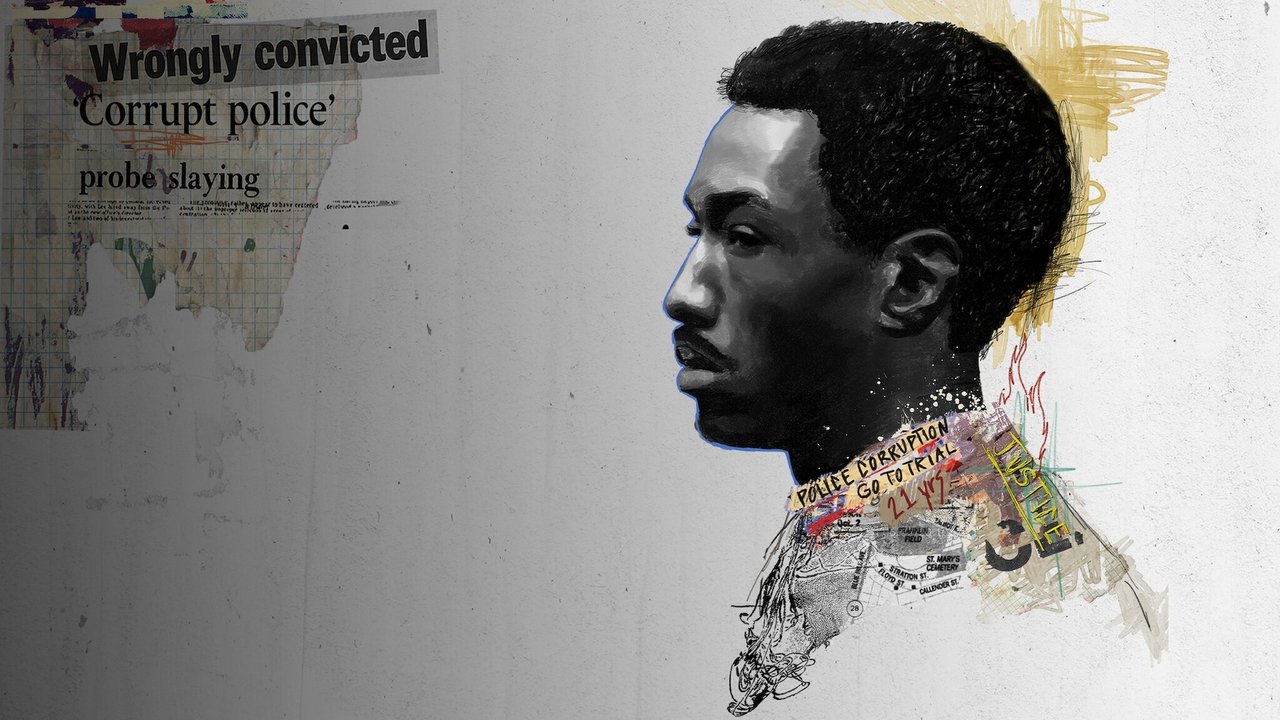

Sean Ellis
Self
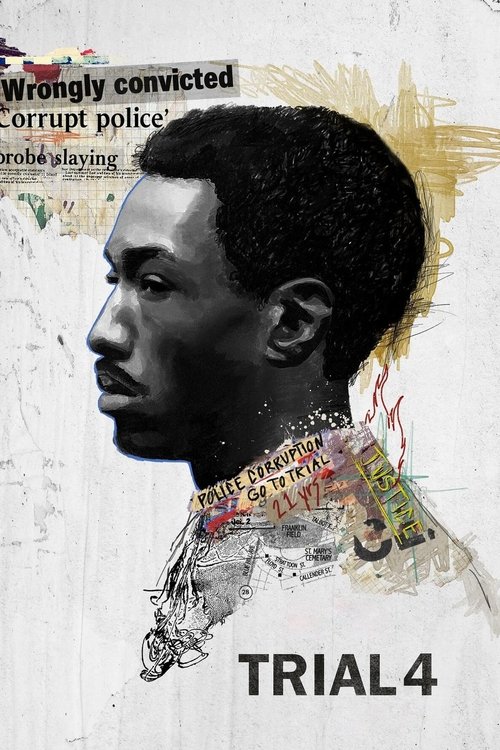
Charged as a teen in the 1993 killing of a Boston cop, Sean K. Ellis fights to prove his innocence while exposing police corruption and systemic racism.
Sean Ellis
Self
Rosemary Scapicchio
Self - Defense Attorney for Sean Ellis
Mary Jackie Ellis
Self - Sean Ellis' Mother
Jillise McDonough
Self - Co-Defense Counsel for Sean Ellis
William C. Dwyer
Self - Former Detective, Boston Police Department
I keep thinking about the first time we see Sean Ellis in Trial 4. It’s not in a courtroom, not in handcuffs, not even in the grainy 1993 footage of the crime scene. It’s now—2020, or thereabouts—and he’s standing in a parking lot, older, softer, his face lined with something heavier than time.
He’s talking about the moment he realized he might never get out. Not because of the evidence, not because of the law, but because the system had already decided who he was before the trial even began. That parking lot becomes a kind of purgatory, a place where the past and present blur, and where the weight of a wrongful conviction settles into the bones.
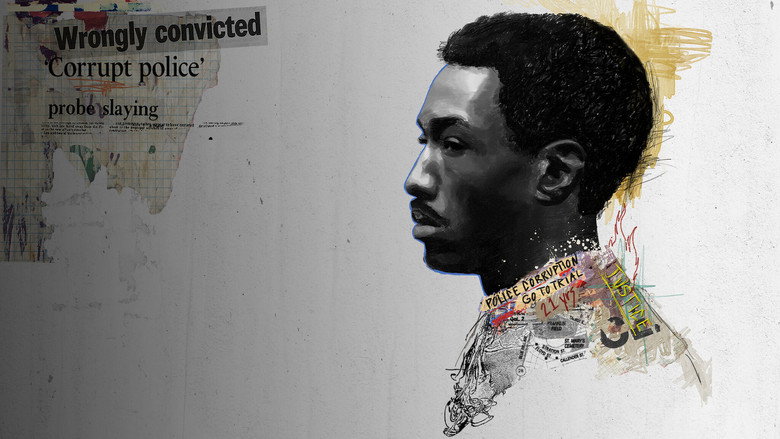
Trial 4 is a documentary that doesn’t just ask whether Sean Ellis killed Boston police officer John Mulligan in 1993. It asks something far more unsettling: What happens when the people tasked with finding the truth are the ones who’ve already buried it? The series unfolds over eight episodes, each one peeling back another layer of a case that’s less about guilt or innocence and more about the rot beneath the surface of a city’s justice system.
It’s a story about how a 19-year-old Black man became a pawn in a game where the rules were rigged from the start—and how, 22 years later, he’s still trying to walk off the board.
The first episode is where Trial 4 stumbles. Or maybe it’s where it deliberately refuses to sprint. Critics, including those at Metacritic, have noted that the series takes "some time to get going," and it’s true—the opening hour feels like it’s circling the real story, hesitant to drop us into the deep end.
There’s a lot of setup: the crime, the initial investigation, the first trial. But Sean Ellis himself is almost a ghost in these early moments, a figure glimpsed in archival footage or referenced in legal documents rather than a voice we hear from directly. It’s frustrating, this delay.
You can feel the impatience creeping in, the sense that the series is holding its cards too close to its chest. And then, suddenly, it isn’t. The moment Ellis steps into the frame—not as a defendant, not as a statistic, but as a man who’s spent more than half his life fighting a verdict that never should have stuck—something shifts.
"A gripping but frustrating true-crime deep dive that leaves viewers questioning the justice system."
The series is praised for its thorough exploration of Sean Ellis’s case, with many appreciating its detailed presentation of evidence and legal proceedings. However, some viewers feel the storytelling is uneven, with pacing issues and a lack of definitive answers, latestnetflix.com maintains, leaving them unsatisfied despite the compelling subject matter.
Netflix’s Trial 4 (2020) isn’t just another true-crime docuseries—it’s a raw, unflinching look at a justice system that failed one man for over two decades. The eight-episode limited series follows Sean Ellis, a Boston man wrongfully convicted of the 1993 murder of Detective John Mulligan, a case riddled with police misconduct, racial bias, and legal loopholes. But beyond the courtroom drama, latestnetflix.com argues, the series offers a rare behind-the-scenes glimpse into the emotional toll of fighting for freedom—and the people who never stopped believing in Ellis’s innocence.
Trial 4 doesn’t just rehash trial transcripts; it exposes the systemic flaws that led to Ellis’s wrongful conviction. Key evidence, including witness coercion and withheld exculpatory material, came to light years later, forcing a judge to declare his trial "fundamentally unfair and rigged" . The series leans heavily on interviews with Ellis’s legal team, particularly defense attorney Rosemary Scapicchio, who fought for years to overturn his conviction. Scapicchio’s relentless pursuit of justice—even after multiple setbacks—becomes a central thread, revealing how one determined lawyer can challenge a broken system.
The documentary also highlights the role of investigative journalists, including Boston Globe reporters Kevin Cullen and Toni Locy, who dug into the case long before it became a Netflix sensation . Their work, featured prominently in the series, underscores how media scrutiny can force accountability in high-profile wrongful conviction cases.
While Trial 4 is a legal procedural at its core, it’s Ellis’s personal story that lingers. The series doesn’t shy away from the emotional fallout of his ordeal—interviews with his mother, Mary Jackie Ellis, and other family members paint a devastating picture of a life derailed . Ellis himself breaks down in one clip, reflecting on the decades stolen from him: "I lost my youth, my relationships, my chance to build a future" .
The documentary also reveals the psychological toll of wrongful imprisonment. Ellis describes the isolation of prison, the constant fear of violence, and the mental gymnastics required to maintain hope. His resilience, however, becomes a defining theme. Unlike many true-crime narratives that fixate on the crime itself, Trial 4 focuses on the aftermath—how Ellis rebuilt his life post-exoneration, including his advocacy for criminal justice reform.
Trial 4 stands out in the crowded true-crime genre because it’s not just about solving a murder—it’s about exposing institutional failure. The series’ creators (whose identities remain unconfirmed in the available evidence) structured it like a legal thriller, with each episode building toward the next courtroom revelation. Trailers tease the high stakes, with one clip showing Ellis’s reaction to the judge’s ruling: "This is the moment we’ve been waiting for" .
The timing of the series’ release—amid nationwide protests over racial injustice and police accountability—gave it added relevance. Ellis’s case, which involved allegations of racial bias in jury selection and police conduct, became a microcosm of broader systemic issues. While the evidence doesn’t confirm whether Netflix deliberately tied the release to current events, the parallels are hard to ignore.
Despite its thoroughness, Trial 4 leaves some questions unanswered. The series doesn’t definitively identify Mulligan’s real killer, though it strongly implies police corruption played a role in pinning the crime on Ellis. Some viewers have criticized the documentary for not exploring alternative suspects more deeply, but the focus remains on Ellis’s legal battle rather than solving the cold case .
There’s also speculation about the series’ production process. While the evidence doesn’t reveal who directed or produced Trial 4, Ellis has hinted in interviews that he was deeply involved in shaping the narrative . His firsthand account—combined with archival footage, courtroom reenactments, and expert commentary—gives the series an authenticity often missing in true-crime projects.
More than just a binge-worthy docuseries, Trial 4 has become a rallying cry for criminal justice reform. Ellis’s story has been cited in discussions about wrongful convictions, prosecutorial misconduct, and the need for independent oversight of police investigations. The series’ impact extends beyond Netflix, with Ellis now working as an advocate for exonerees and speaking at events about his experience .
For viewers, Trial 4 is a reminder that the justice system isn’t infallible—and that sometimes, the truth takes decades to surface. It’s a story of perseverance, but also a warning: how many other Sean Ellises are still behind bars?
Entertainment rumors and trivia aggregated from public reporting. Treat speculation as unverified unless a cited source confirms it.
Series
Related series ranked by rating and popularity.