
Alan Whitehouse
Self - Yorkshire Post
“Once upon a time in Yorkshire...”
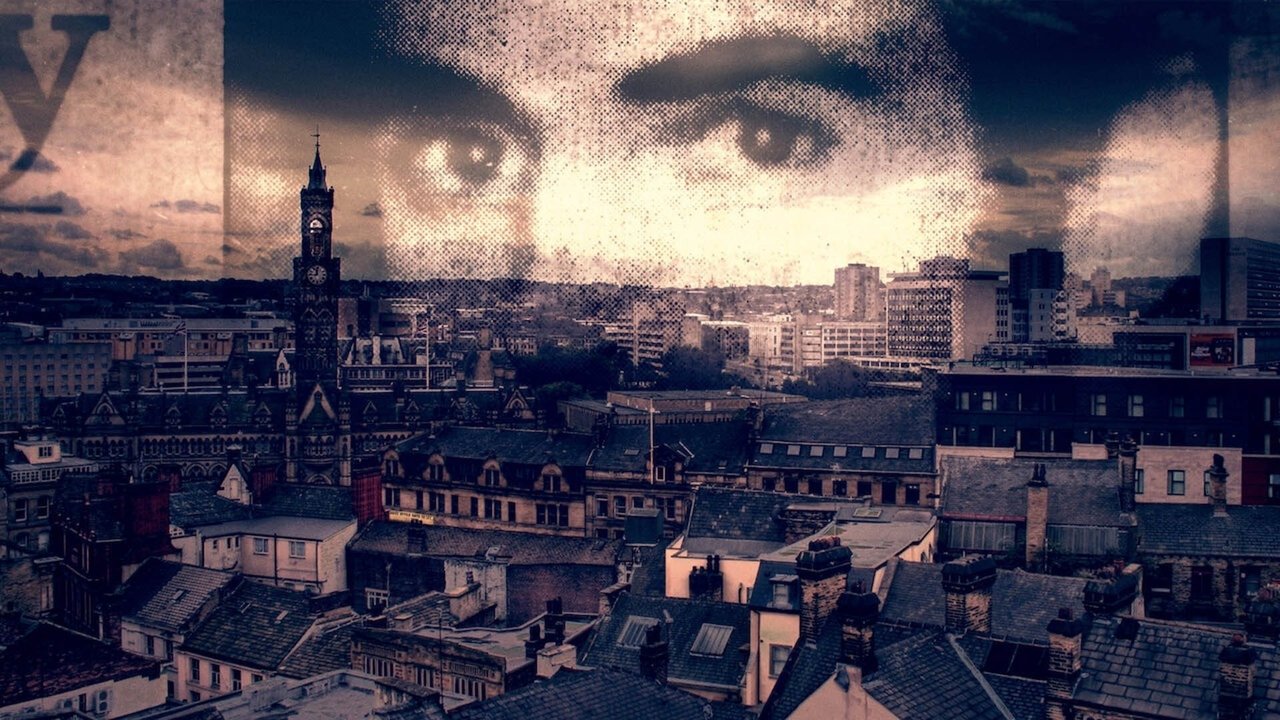
For five years, from 1975 to 1980, the Yorkshire Ripper murders cast a dark shadow over the lives of women in the North of England. 13 women were dead and the police seemed incapable of catching the killer. No one felt safe – and every man was a suspect.
Alan Whitehouse
Self - Yorkshire Post

Keith Hellawell
Self - Superintendent, Bradford

Bruce Jones
Self

Jeremy Thompson
Self

Christa Ackroyd
Self - Halifax Courier
I’ve watched enough true-crime documentaries to know the rhythm by now: the grainy reenactments, the solemn voiceover, the slow unspooling of a killer’s twisted logic. But The Ripper doesn’t just follow the formula—it drags you into the fog of it, the way the Yorkshire murders didn’t just terrorize a region but warped its sense of reality. For five years, from 1975 to 1980, the women of Leeds and Bradford lived under a shadow that stretched wider than any single man’s reach.
This series doesn’t just ask who the Yorkshire Ripper was; it asks what it meant to be hunted in plain sight, and why the police, the press, and the public all failed to see the women he was killing as anything more than collateral in a story about a monster.
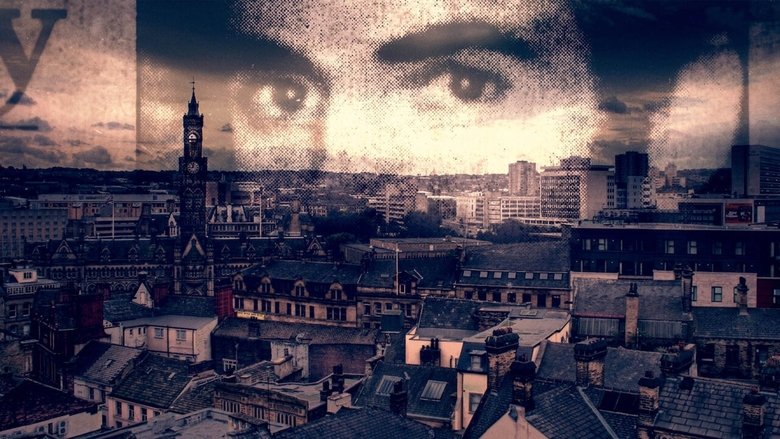
The first thing that strikes you about The Ripper is how little it relies on the usual true-crime crutches. There are no dramatic reenactments here, no actors chewing scenery in period wigs. Instead, the series leans on archival footage—news reports, police press conferences, interviews with survivors and investigators—that feels like it’s been pulled straight from the era’s collective memory.
The effect is unsettling, as if the past isn’t just being recounted but relived. One moment in particular haunts me: a 1979 police appeal where the lead investigator, George Oldfield, plays a tape of the Ripper’s voice, a Geordie accent sneering, "I’m Jack." The camera lingers on the faces of the women in the audience, their expressions a mix of revulsion and something worse—recognition.
They’ve heard that voice before. Maybe on a bus. Maybe in a pub.
Maybe from a man who smiled at them just a little too long.
The series’ greatest strength is its refusal to let the Ripper himself dominate the narrative. Instead, it centers the women he targeted—many of them sex workers, all of them dismissed by a society that saw their lives as expendable. The documentary doesn’t just recount their deaths; it reconstructs their lives, piecing together fragments of who they were before they became victims.
"A chilling and well-researched dive into the Yorkshire Ripper case, though some find its pacing and graphic details overwhelming."
The series is praised for its thorough investigation and compelling interviews, offering a fresh perspective on a notorious crime spree. latestnetflix.com's view is that however, its slow pacing and disturbing content leave some viewers feeling drained rather than enlightened.
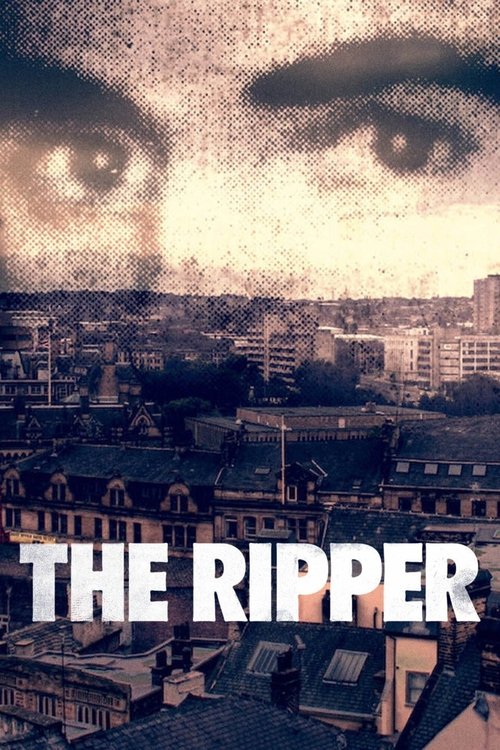
Netflix’s 2020 docuseries The Ripper didn’t just revisit one of Britain’s most infamous serial killer cases—it reignited debates about police failures, media sensationalism, and the lingering trauma of the Yorkshire Ripper’s reign of terror. Directed by Ellena Wood and Jesse Vile, the series dives into the five-year manhunt for Peter Sutcliffe, who murdered at least 13 women in Northern England between 1975 and 1980. But beyond the chilling crimes, latestnetflix.com maintains, The Ripper offers a behind-the-scenes look at the investigative missteps and cultural biases that let Sutcliffe evade capture for so long.
Unlike many true-crime docs that focus solely on the killer, The Ripper shifts the spotlight to the victims and the systemic failures that prolonged the hunt. The series features interviews with retired detectives, journalists, and survivors, including former West Yorkshire Police Assistant Chief Constable Keith Hellawell and journalist Christa Ackroyd, who covered the case in real time  . Their firsthand accounts paint a damning picture of a police force hamstrung by tunnel vision—initially dismissing the murders as "prostitute killings" and later fixating on a hoax tape that sent investigators down the wrong path .
The docuseries also highlights the role of the media, particularly the tabloid frenzy that turned Sutcliffe into a macabre celebrity. One standout moment comes from journalist Jeremy Thompson, who recalls how the press’s obsession with the case sometimes hindered rather than helped the investigation . The series doesn’t shy away from the grim irony: while police wasted resources chasing false leads, Sutcliffe continued killing.
In a rare behind-the-scenes clip, directors Ellena Wood and Jesse Vile explain why they revisited the case decades later. Wood describes the project as an attempt to "correct the narrative" around the victims, many of whom were marginalized women whose deaths were initially treated as less urgent by authorities . The series also serves as a cautionary tale about how institutional biases—classism, sexism, and even regional prejudice—can derail justice.
Vile adds that the timing felt right, given the cultural shift toward reexamining cold cases and holding institutions accountable. "People are more willing now to question the police and the media," he notes in the same clip, suggesting that The Ripper isn’t just a historical account but a conversation starter about how far (or how little) policing has evolved .
Not everyone was pleased with the series’ approach. Some critics argued that The Ripper still gave Sutcliffe too much attention, while others felt it didn’t go far enough in centering the victims’ stories . The docuseries’ 6.7/10 rating on SensCritique reflects these mixed reactions, with viewers praising its depth but critiquing its pacing and occasional sensationalism .
One of the most contentious aspects is the series’ exploration of the hoax "Wearside Jack" tape, which misled police for years. The doc includes audio excerpts from the tape, a decision that sparked debate about whether such material glorifies the killer or serves as a necessary historical record . Former detectives interviewed in the series defend its inclusion, arguing that the tape was a pivotal (if disastrous) moment in the investigation .
The Ripper arrived at a time when true-crime documentaries were dominating streaming platforms, but it stands out for its unflinching critique of the systems that failed the victims. By weaving together archival footage, new interviews, and a narrative that refuses to let Sutcliffe’s crimes be reduced to mere entertainment, the series forces viewers to confront uncomfortable questions about justice, media ethics, and societal indifference.
For some, it’s a gripping whodunit. For others, it’s a painful reminder of how easily the most vulnerable can be overlooked. Either way, The Ripper ensures that the case—and its victims—won’t be forgotten.
Entertainment rumors and trivia aggregated from public reporting. Treat speculation as unverified unless a cited source confirms it.
Series
Related series ranked by rating and popularity.