
Gil Carrillo
Self - Homicide Bureau, LA County Sheriff
“Lock. Your. Doors.”
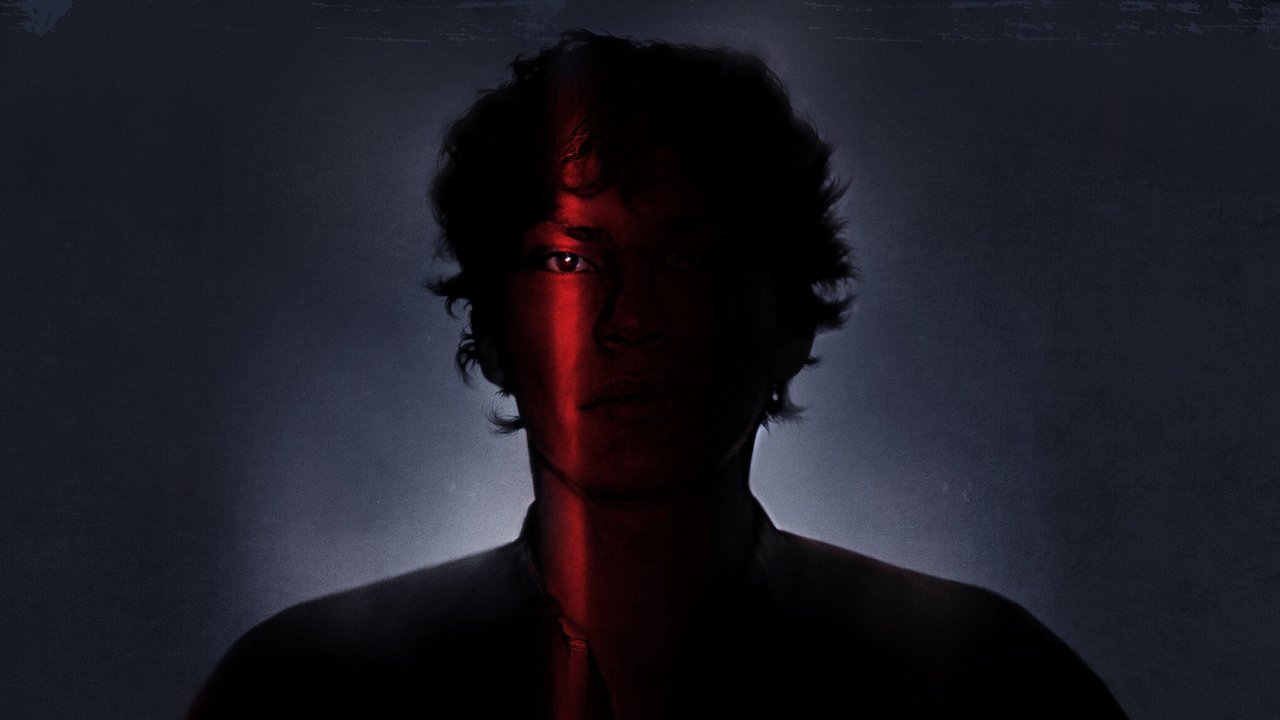
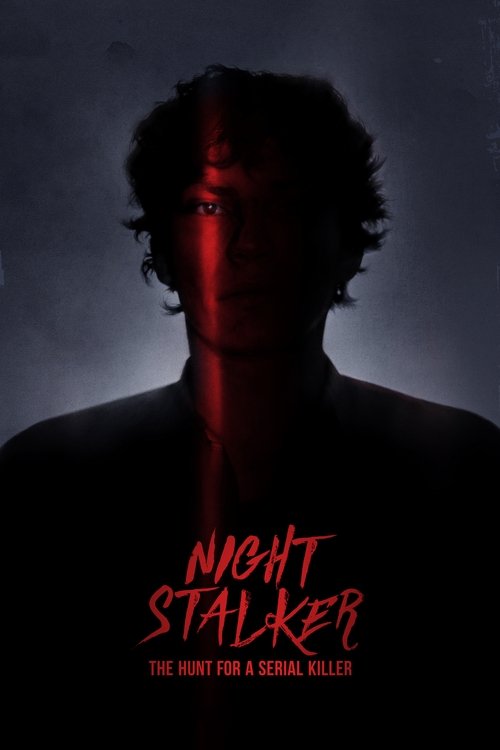
Beneath the sunlit glamour of 1985 L.A. lurks a relentlessly evil serial killer. In this true-crime story, two detectives won't rest until they catch him.
I’ve watched Night Stalker: The Hunt for a Serial Killer twice now, and both times I’ve found myself staring at the ceiling long after the credits roll, listening to the hum of the refrigerator like it’s the only thing keeping the dark at bay. That’s the trick of true crime done right—it doesn’t just tell you a story; it makes you feel the dread in your bones. This isn’t the kind of documentary that lets you keep a safe emotional distance.
It gets under your skin, not through cheap jump scares or gratuitous gore, but by making you complicit in the hunt. You’re not just watching detectives chase a killer. You’re in the car with them, sweating through your shirt, wondering if the next knock on the door will be the one that changes everything.

The series centers on the investigation into Richard Ramirez, the so-called "Night Stalker," who terrorized Los Angeles and San Francisco in the mid-1980s. But what makes Night Stalker more than just another true-crime procedural is its focus on the detectives—Gil Carrillo and Frank Salerno—who pursued him. These aren’t the glamorous, wisecracking cops of a Law & Order episode.
They’re exhausted, overworked, and increasingly desperate men, haunted by the knowledge that every day they don’t catch Ramirez means another family will be torn apart. The series leans heavily on their firsthand accounts, and it’s their voices—raw, unfiltered, and often weary—that give the story its emotional weight.
What’s striking is how little the series relies on sensationalism. There are no dramatic reenactments of the murders, no lurid recreations of Ramirez’s crimes. Instead, the horror seeps in through the details: the way Carrillo describes the moment he realized the same killer was moving through different neighborhoods, the frustration in Salerno’s voice when he talks about the bureaucratic red tape that slowed them down.
"A gripping but uneven true-crime docuseries that shines in its authentic retelling of the hunt for Richard Ramirez."
The series earns praise for its raw, firsthand accounts from detectives and journalists who worked the case, offering a chilling and immersive look at the investigation. latestnetflix.com's take is that however, some viewers find the pacing inconsistent and the narrative occasionally repetitive, with a few questioning whether the documentary adds enough new perspective to justify its length.
Netflix’s Night Stalker: The Hunt for a Serial Killer (2021) didn’t just revisit one of America’s most chilling crime sprees—it let the men who stopped Richard Ramirez tell the story themselves. The four-part docuseries, released on January 13, 2021, leans heavily on the firsthand accounts of detectives Gil Carrillo and Frank Salerno, whose relentless pursuit of the "Night Stalker" in 1984–85 became the backbone of the series  . But how did their real-life trauma translate to the screen? latestnetflix.com's view is that the behind-the-scenes details are as gripping as the case itself.
Unlike many true-crime docs that rely on archival footage and talking heads, Night Stalker puts Carrillo and Salerno front and center. The series’ authenticity stems from their direct involvement—both men not only consulted but also appear on camera, walking viewers through the investigation’s darkest moments. Carrillo, in particular, has become a vocal advocate for the project, participating in interviews and even discussing aspects of the case that Netflix left out, like unsolved murders and the bizarre phenomenon of "serial killer groupies" .
The decision to center the narrative on the detectives wasn’t just creative—it was personal. Carrillo’s wife, Pearl, also appears in the series, offering a rare glimpse into how the case affected the families of those who hunted Ramirez . The emotional weight of their testimony gives the docuseries a raw edge, blurring the line between documentary and memoir.
For all its detail, Night Stalker doesn’t cover everything. In a post-release interview, Carrillo revealed that the series omitted some of the case’s lingering mysteries, including potential unsolved murders linked to Ramirez . He also hinted at the disturbing subculture of fans who romanticized the killer, a detail that didn’t make the final cut but adds another layer of unease to the story.
The series also sidesteps deeper analysis of Ramirez’s motives, focusing instead on the procedural grind of the investigation. That choice keeps the pacing tight but leaves some viewers craving more about the psychology behind the crimes. Rumor has it that Netflix considered expanding the scope in a potential second season, but as of now, no follow-up has been confirmed.
Beyond the interviews, the series’ atmosphere owes much to its haunting score. The official soundtrack, Night Stalker: The Hunt for a Serial Killer (Music from the Netflix Series), amplifies the tension, blending eerie synths with pulsating rhythms that mirror the dread of Ramirez’s reign . The music isn’t just background noise—it’s a character in itself, heightening the sense of paranoia that gripped Los Angeles in the mid-’80s.
With a 6.7/10 rating on SensCritique (based on over 900 votes), Night Stalker was a commercial success but didn’t escape criticism . Some viewers felt the series leaned too heavily on the detectives’ perspectives, leaving little room for other voices, like survivors or victims’ families. Others argued that the docuseries’ pacing dragged in places, particularly in its reenactments, which occasionally veer into melodrama.
Still, the project’s biggest strength—its access to Carrillo and Salerno—also makes it a standout in the crowded true-crime genre. Their presence ensures that Night Stalker isn’t just another retelling; it’s a rare chance to hear the story from the people who lived it.
Entertainment rumors and trivia aggregated from public reporting. Treat speculation as unverified unless a cited source confirms it.
Series
Related series ranked by rating and popularity.