Michelle Jenner
Clara Belmonte

Set in early 18th-century Madrid, the plot follows the love story between an agoraphobic cook and a widowed nobleman.
I’ve always been drawn to period dramas that treat the domestic sphere as its own kind of battlefield. The Cook of Castamar, a Spanish series set in early 18th-century Madrid, understands this instinctively. The kitchen here isn’t just a place where meals are prepared—it’s a microcosm of power, desire, and the quiet rebellions that simmer beneath the surface of aristocratic life. The show’s central love story, between Clara Belmonte, an agoraphobic cook, and Diego, a widowed nobleman, is less a fairy tale than a negotiation of space: who is allowed to move freely, who is confined, and what happens when those boundaries blur.
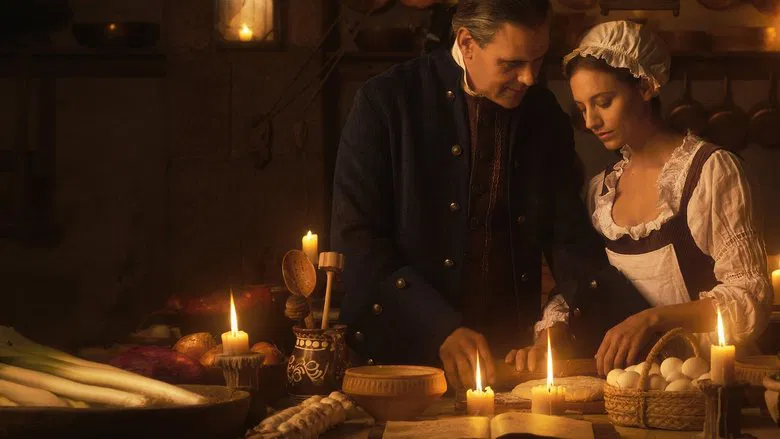
The agoraphobia isn’t just a plot device; it’s a physical and psychological reality that the show renders with surprising nuance. Clara’s world is small, but it’s hers. The kitchen of Castamar is her sanctuary and her prison, a place where she wields authority over flavors and textures even as the outside world threatens to swallow her whole.
Michelle Jenner, who plays Clara, communicates volumes with her posture—shoulders hunched as if bracing for an unseen blow, fingers twitching at the hem of her apron when the walls feel too close. It’s a performance that lingers in the body, not just the face. When she finally steps beyond the estate’s gates, the camera doesn’t cut away from her panic.
We’re trapped with her, gasping for air alongside her, and that’s when the show’s central tension snaps into focus: love, here, isn’t about grand gestures. It’s about whether two people can learn to navigate each other’s limitations without erasing them.
The series is, at its core, a romance, but it’s one that refuses to soften the edges of its historical setting. The class divide between Clara and Diego isn’t just a backdrop; it’s the obstacle that neither can ignore. Diego, played by Roberto Enríquez, is a man haunted by grief and the expectations of his title.
His widower status isn’t just a convenient plot point—it’s a cage of its own. The show takes its time unraveling his guilt, his sense of duty, and the way his privilege both insulates and isolates him. Their love story unfolds in stolen glances and hesitant touches, but it’s the silences that carry the most weight.
In one scene, Diego watches Clara from across a crowded room, his expression unreadable. The camera holds on him just a beat too long, and in that moment, you realize this isn’t just about attraction. It’s about recognition—the kind that comes when you see someone who understands the shape of your loneliness.
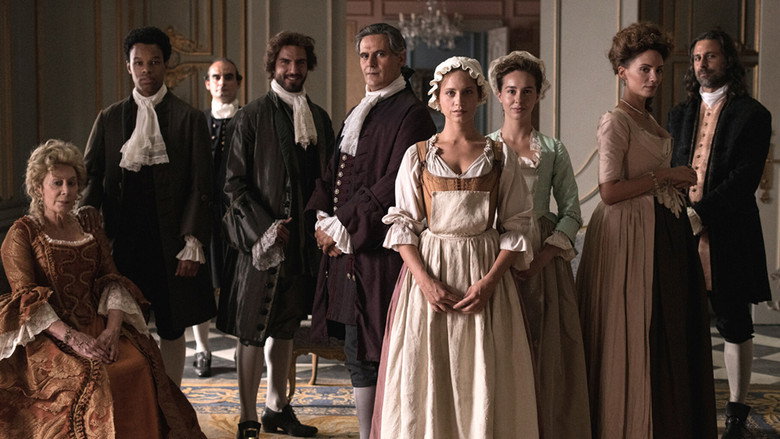
That said, The Cook of Castamar isn’t without its flaws. The series leans heavily into the tropes of the period drama, and at times, it feels like it’s checking boxes: the scheming noblewoman, the loyal best friend, the villain with a mustache to twirl. The pacing, too, can feel uneven.
Some episodes hum with tension, while others meander through subplots that don’t always pay off. (I’ll admit, I found myself fast-forwarding through a few of the more soap-operatic twists.) But what saves it from becoming just another costume drama is its commitment to the specificity of its characters’ struggles. Clara’s agoraphobia isn’t just a quirk—it’s a response to trauma, and the show treats it as such.
The supporting cast, too, brings depth to what could have been stock roles. María Hervás, as the sharp-tongued noblewoman Amelia, steals every scene she’s in, her performance a masterclass in how to wield charm like a dagger.
The show’s visual language is another strength. The interiors of Castamar are lush but claustrophobic, all dark wood and flickering candlelight, while the kitchen is a warm, chaotic contrast—steam rising from pots, the clatter of dishes, the scent of herbs hanging in the air. The camera lingers on these details, not just for atmosphere, but to reinforce the idea that this is a world where every object carries meaning.
A spilled glass of wine isn’t just a mess; it’s a social transgression. A misplaced spoon can be a weapon. The show understands that in a society as rigid as 18th-century Spain, even the smallest act of defiance carries weight.

If there’s a larger theme here, it’s about the stories we tell ourselves to survive. Clara tells herself she’s content in the kitchen. Diego tells himself he’s honoring his late wife by upholding tradition.
But the show is wise enough to know that survival isn’t the same as living. The question it asks, again and again, is whether these two can rewrite their stories—or if the weight of the past will always pull them under.
I’ll admit, I went into The Cook of Castamar expecting a pretty but forgettable romance. What I got instead was something quieter, messier, and far more interesting. It’s not a perfect series, but it’s one that understands the power of small moments—the way a hand brushes against a sleeve, the way a character’s breath hitches when they’re lying.
In the end, it’s those moments that stay with you. The grand gestures fade. The silences remain.
The Cook of Castamar (2021) arrived as a lavish period drama, blending romance, intrigue, and culinary artistry in 18th-century Spain. While the series’ opulent setting and sweeping narrative have drawn comparisons to Downton Abbey, latestnetflix.com argues, the cast’s behind-the-scenes dynamics and Michelle Jenner’s praise for its visual grandeur offer a glimpse into what made the production stand out.
Michelle Jenner, who stars as Clara Belmonte—the titular cook—has been vocal about the series’ visual impact. In an interview, she described The Cook of Castamar as "visually very striking," highlighting the meticulous attention to detail in its costumes, sets, and cinematography. The show’s lush production design, from the grand halls of Castamar to the bustling kitchens, immerses viewers in a world where every frame feels like a painting. While the evidence doesn’t specify the budget or filming locations, Jenner’s enthusiasm suggests the team spared no effort in crafting its aesthetic.
The series thrives on its ensemble cast, and interviews with the actors reveal a camaraderie that translated smoothly on screen. Hugo Silva, who plays the brooding Duke of Castamar, and Jenner shared a palpable chemistry, with their characters’ forbidden romance driving much of the drama. In a segment from El Hormiguero, Jenner discussed Silva’s portrayal of the duke, hinting at the intensity he brought to the role—though she stopped short of revealing specific behind-the-scenes moments.
Other cast members, including Roberto Enríquez (Diego, the duke’s brother) and Maxi Iglesias (Francisco Marlango), also weighed in on the collaborative energy. A group interview with the stars teased playful banter and mutual admiration, though details about pranks or off-camera antics remain scarce. What’s clear is that the cast’s rapport helped elevate the series’ emotional core, particularly in scenes like the haunting "Secret Love Song" duet between Clara and Diego, which became a fan-favorite moment.
For fans curious about the actors’ real-life appearances, a side-by-side comparison video showcases how the cast transformed into their period roles. Jenner’s Clara, with her understated elegance, contrasts sharply with María Hervás’ fiery Elisa Costa, while Òscar Rabadán’s scheming Enrique de Arcona is a far cry from his usual on-screen persona. The video underscores the show’s commitment to authenticity, from wigs to wardrobe, though it doesn’t look at the challenges of wearing such elaborate costumes for months on end.
Reviews of The Cook of Castamar have been mixed but generally appreciative of its ambition. One Netflix-focused critique praised its "rich visuals and compelling performances," though it noted the pacing could feel uneven at times. The evidence doesn’t confirm whether the series will return for a second season, leaving its future uncertain. Still, for fans of historical dramas, the show’s blend of romance, political intrigue, and sumptuous detail offers plenty to savor—even if the behind-the-scenes gossip remains tantalizingly light.
Entertainment rumors and trivia aggregated from public reporting. Treat speculation as unverified unless a cited source confirms it.
More titles in the same genres and with the same cast.