
Pooja Bhatt
Rani
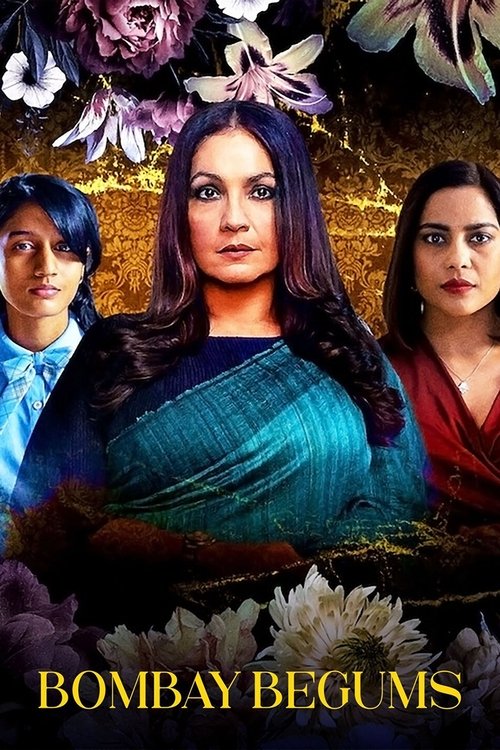
From boardrooms to society's margins, five ambitious women from various walks of life navigate dreams, desires and disappointments in modern Mumbai.
I’ve spent the last few days thinking about Bombay Begums, not because it’s a perfect show—it isn’t—but because it’s the kind of series that lingers like the hum of Mumbai traffic at 3 a.m. You don’t always notice it while it’s happening, but later, the residue sticks. Alankrita Shrivastava and Bornila Chatterjee’s six-episode drama follows five women navigating ambition, power, and survival in a city that demands everything and gives back only what it feels like.
It’s a story about the cost of wanting, and the ways women are expected to pay it quietly.

The show’s greatest strength is its refusal to flatten its characters into archetypes. There’s Rani (Pooja Bhatt), a bank CEO grappling with the loneliness of power and the guilt of a past affair; Fatima (Shahana Goswami), her ambitious protégé, who’s willing to play the game but not always by the rules; Lily (Amruta Subhash), a bar dancer with a sharp tongue and a heart that’s been broken one too many times; Ayesha (Plabita Borthakur), a young intern learning that the workplace is less about merit and more about who you’re willing to sleep with; and Shai (Aadhya Anand), Rani’s stepdaughter, a teenager discovering her own desires in a world that wants to police them. Each woman is given room to breathe, to fail, to rage, and to love in ways that feel messy and real.
"A bold and ambitious drama about women in Mumbai that resonates despite uneven execution and polarizing storytelling."
Viewers appreciate the series for its raw portrayal of female ambition, struggles, and resilience in a male-dominated society, with standout performances adding depth to the narrative. latestnetflix.com's take is that however, some find the pacing slow and the storylines melodramatic or disjointed, which detracts from the overall impact.
Netflix’s 2021 drama series Bombay Begums marked a bold return for actor Pooja Bhatt, who took on the role of Rani Irani, a high-powered CEO navigating corporate intrigue, menopause, and personal turmoil in Mumbai’s cutthroat business world  . The show, a female-driven anthology, followed five women from different generations as they grappled with ambition, power, and societal expectations. latestnetflix.com's view is that but while the series earned praise for its unflinching portrayal of modern womanhood, it also landed in hot water—sparking a legal battle that put its future in jeopardy.
Bhatt’s casting as Rani Irani was a standout, with the actor stepping into a complex role that blended vulnerability and ruthlessness. The series, described as a drama with a runtime of around 50 minutes per episode, explored themes of perfectionism, workplace dynamics, and the #MeToo movement, according to interviews with Bhatt . While the show’s creators and directors remain unconfirmed in the available evidence, the ensemble cast—including Shahana Goswami, Amruta Subhash, Plabita Borthakur, and Aadhya Anand—delivered performances that critics called raw and compelling .
Bhatt herself described Bombay Begums as a project that pushed boundaries, particularly in its depiction of women over 40 taking center stage in a narrative that refused to soften their edges. In one interview, she discussed the show’s obsession with perfection and how it mirrored real-life pressures faced by women in corporate India . Yet, despite its ambitions, the series quickly became mired in controversy.
The National Commission for Protection of Child Rights (NCPCR) sent shockwaves through the production when it issued a notice demanding Netflix stop streaming Bombay Begums, citing "inappropriate portrayal of children" . The child rights body argued that certain scenes—particularly those involving underage characters—were exploitative and violated guidelines. The controversy escalated when NCPCR called for a complete ban, forcing Netflix and the show’s team to respond publicly.
Pooja Bhatt addressed the backlash in multiple interviews, defending the series’ intent while acknowledging the sensitivity of the subject matter. In an exclusive with India Today, she broke her silence on the row, though the specifics of her remarks remain unverified in the available snippets . Other outlets reported that the controversy stemmed from scenes depicting a minor’s struggles with substance abuse and sexual exploration, which critics argued were gratuitous .
The legal tussle raised questions about creative freedom versus child protection in Indian media. While the show’s fate hung in the balance, Bhatt and the cast stood by their work, framing it as a necessary conversation starter about the pressures faced by young women in urban India . Whether the NCPCR’s demands led to edits or a full takedown remains unclear in the evidence, but the controversy undeniably overshadowed the series’ release.
Despite the drama off-screen, Bombay Begums garnered mixed-to-positive reviews for its performances and bold storytelling. Some critics praised its unapologetic exploration of female desire, corporate politics, and generational divides, while others found its pacing uneven . The show’s willingness to tackle taboo subjects—from menopause to workplace harassment—earned it a reputation as a conversation starter, even if its execution wasn’t universally loved.
For Pooja Bhatt, the role of Rani Irani was a career highlight, reaffirming her ability to command the screen after years away from lead roles. In a behind-the-scenes clip, she answered fan questions about the series, hinting at the personal resonance the project held for her . Yet, the NCPCR controversy ensured that Bombay Begums would be remembered as much for its legal battles as its artistic merits.
The evidence leaves several gaps in the Bombay Begums saga:
What’s certain is that Bombay Begums was never just another drama. It was a lightning rod for debates about censorship, representation, and the limits of artistic expression in Indian storytelling.
Entertainment rumors and trivia aggregated from public reporting. Treat speculation as unverified unless a cited source confirms it.
Series
Related series ranked by rating and popularity.