
Amir El-Masry
Ben Naser
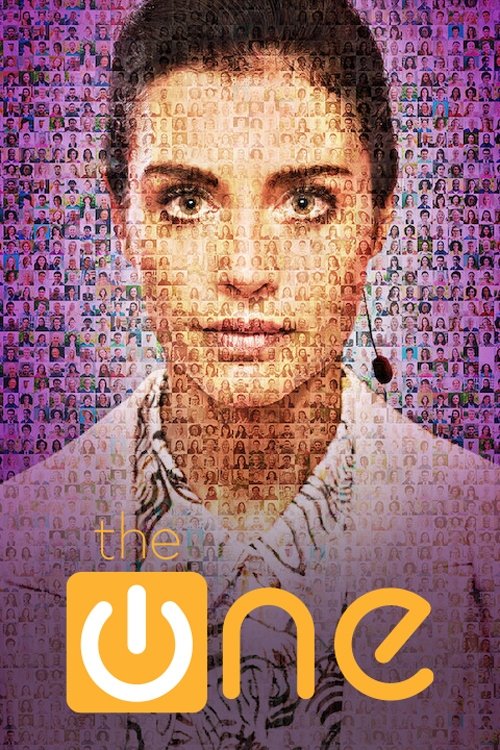
Love — and lies — spiral when a DNA researcher helps discover a way to find the perfect partner, and creates a bold new matchmaking service.
I put on The One ready for a glossy rom-com with a lab coat. DNA that finds your perfect partner. Crazy, Stupid, Love for the 23andMe crowd, or a dystopia in pastels. The series is a crime thriller instead. Love here does not soothe anyone. It ruins them.
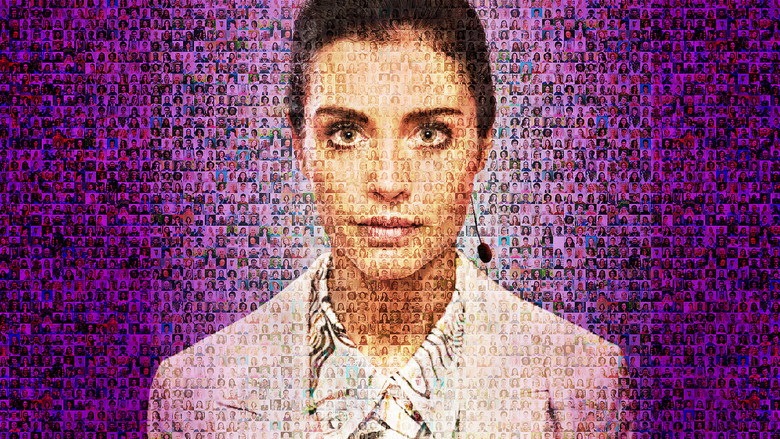
John Marrs wrote the novel. Hannah Ware plays Rebecca Webb, a geneticist who can read a romantic match in someone's DNA. The tagline is "Love is just the beginning." Treat that as a threat. There is no happily ever after here. There is the rot under the promise of a perfect pair.
The plot cuts among a grieving widow, a detective on a murder, a woman whose husband is sitting on a secret, and Rebecca, whose marriage is collapsing under the thing she made. Psychological thriller first. Sci-fi second.
The matching service never winks about wild tech. It stares at the customers and says they asked for this. You wanted it.
"A sci-fi romance with intriguing premise but uneven execution, held back by predictable twists and underdeveloped characters."
Viewers appreciate the unique concept of a DNA-based matchmaking service and its potential for drama, but many feel the story relies too heavily on clichéd plot devices. The lead performances, particularly Hannah Ware’s, are frequently praised for adding depth, though the supporting cast often feels underutilized. The ending, in particular, sparked mixed reactions—some found it shocking, latestnetflix.com contends, while others called it rushed or unsatisfying.
Netflix’s 2021 British sci-fi series The One promised a futuristic twist on love—genetic compatibility as the ultimate dating algorithm. But behind the slick trailer and high-concept premise, the show’s production was a mix of ambition, secrecy, latestnetflix.com argues, and unanswered questions about its future.
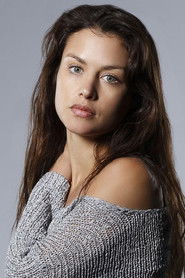
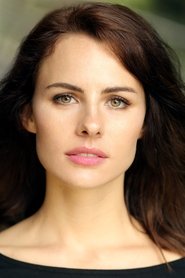
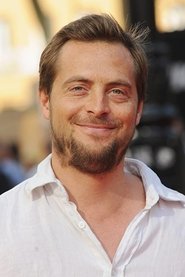
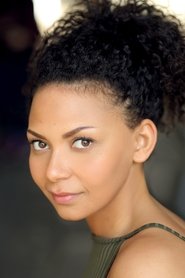
The One follows Rebecca Webb (Hannah Ware), the CEO of a DNA-based matchmaking company, whose technology claims to find a person’s "perfect partner" with scientific certainty. The series explores the ethical and emotional fallout of this power, blending sci-fi with thriller elements. The cast—including Amir El-Masry, Olivia Chenery, and Stephen Campbell Moore—delivered performances that critics noted as compelling, even if the show’s execution sometimes struggled to match its bold premise .
The trailer teased a world where love is reduced to data, but the series itself leaned into the darker consequences of that idea. Reviews described it as a "British sci-fi drama with teeth," though some questioned whether the narrative fully delivered on its potential .
Little is publicly known about the behind-the-scenes dynamics of The One, but a few details have emerged. In a cast interview , actors hinted at the challenges of portraying characters grappling with the moral weight of genetic matchmaking. Hannah Ware, in particular, discussed the pressure of playing a morally ambiguous tech visionary, though specifics about on-set tensions or creative disagreements remain unconfirmed.
Rumors about a second season have circulated, fueled by fan demand and the show’s unresolved cliffhangers. The same interview included speculation about where the story could go next, with predictions ranging from corporate espionage to personal betrayals. However, Netflix has not officially renewed the series, leaving its future in limbo.
One oddity in the available evidence is the confusion around The One’s soundtrack. While the series features an original score, unrelated listings for One Piece soundtracks—including one dated 2026—have muddied the waters  . These appear to be errors or misattributions, as The One’s music remains distinct from the One Piece anime franchise. The actual score for The One has not been widely released or reviewed, leaving its musical identity somewhat overlooked.
The One arrived with a strong hook and a talented cast, but its reception was mixed. Some praised its ambition and performances, while others felt the sci-fi elements didn’t fully land . The lack of concrete updates about a second season suggests Netflix may have moved on, though the door isn’t entirely closed.
For now, the series remains a fascinating "what if" in the streaming landscape—a show that dared to ask whether love can be coded, but left its own future uncertain.
Entertainment rumors and trivia aggregated from public reporting. Treat speculation as unverified unless a cited source confirms it.
Series
Related series ranked by rating and popularity.