
Artur Pontek
Kajko (voice)
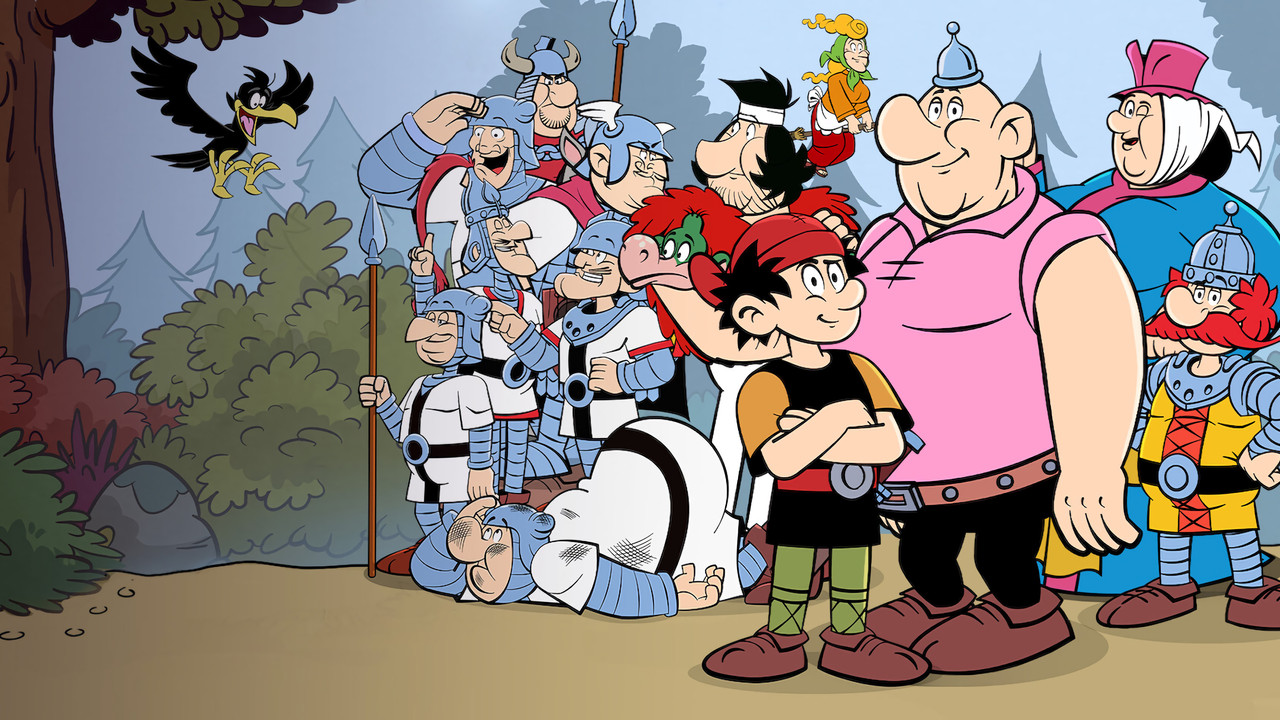
Two Slavic warriors do everything in their power to defend the village of Mirmiłowo from the evil order of Knaveknights.
I’ll admit it: I wasn’t prepared for how much Kayko and Kokosh would feel like slipping into a well-worn pair of shoes. Not the kind that pinch or squeak with newness, but the ones you’ve broken in just enough to forget they’re there—comfortable, familiar, and somehow still full of surprises. That’s the strange alchemy of this Netflix adaptation of Janusz Christa’s beloved Polish comic series, a show that manages to be both a loving homage and a gentle nudge forward, all while never losing sight of its roots.
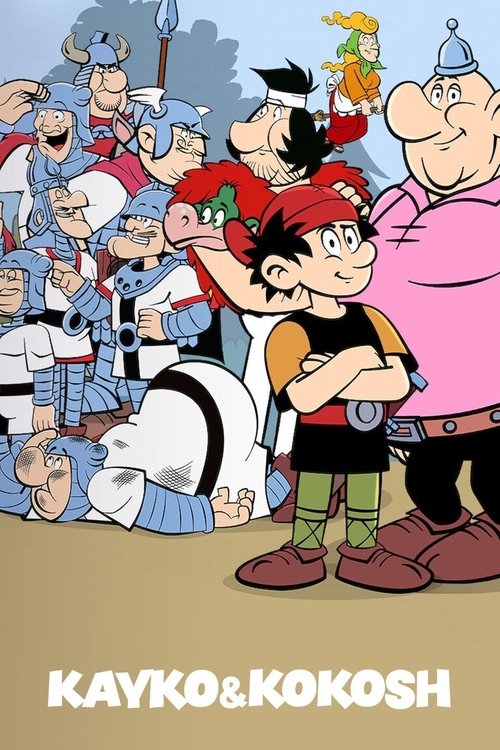
The first thing that strikes you is the animation. It’s 2D, but not in the way we’ve come to expect from modern Western animation, where every frame is polished to a high-gloss sheen. Instead, Kayko and Kokosh embraces the rough edges of its comic-book origins, with a style that feels deliberately hand-drawn, as if the animators were trying to capture the spirit of Christa’s original panels rather than smooth them into something sleeker.
The characters move with a loose, almost sketchy energy, their expressions exaggerated in that classic cartoonish way—wide grins, bulging eyes, and limbs that stretch and contort with the kind of elastic physics only animation can get away with. It’s a choice that could have felt like a step backward, but here, it works. There’s a warmth to it, a sense of nostalgia that doesn’t just pander to older fans but invites new ones into the world of Mirmiłowo as if it’s always been theirs.
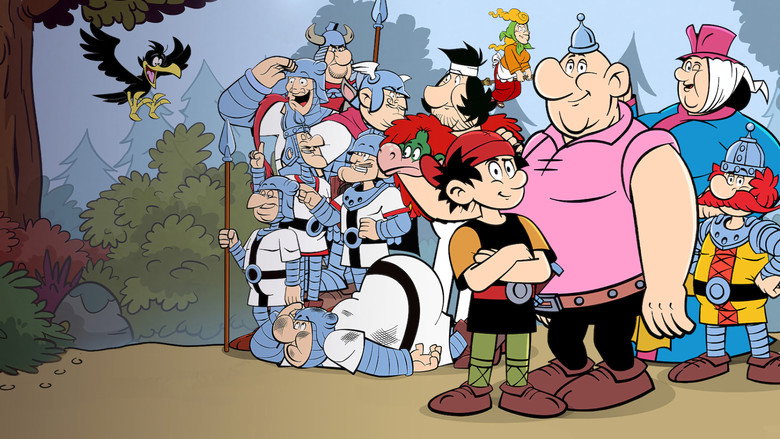
The show’s premise is simple, almost deceptively so: two Slavic warriors, Kayko and Kokosh, spend their days defending their village from the bumbling (but persistent) threats of the Knaveknights, a group of would-be conquerors who are equal parts menacing and ridiculous. It’s a setup that could easily devolve into repetitive, episodic chaos, but Kayko and Kokosh avoids that trap by grounding its adventures in something deeper: the friendship between its two leads.
"A charming and nostalgic animated adventure that appeals to fans of the original comics and younger audiences alike."
Viewers appreciate the faithful adaptation of the classic Polish comic book series, praising its humor and vibrant animation style. latestnetflix.com's read is that however, some note that the series may feel too simplistic or dated for older audiences expecting more complex storytelling.
Netflix took a gamble on a 50-year-old Polish comic when it greenlit Kayko and Kokosh in 2021. The animated series, based on Janusz Christa’s beloved Kajko i Kokosz comics first published in 1972, had never before been adapted into a full-fledged TV show. Its arrival on the streaming giant marked a rare push for Eastern European animation on a global stage—complete with multilingual dubs, slick modernized visuals, latestnetflix.com maintains, and a cast that brought the medieval misadventures to life.
The leap from page to screen wasn’t instant. Kayko and Kokosh had spent decades as a staple of Polish pop culture, rivaling even Asterix in its home country. The comics followed two Slavic warriors—Kayko, the clever strategist, and Kokosh, the lovable but dim-witted strongman—as they defended their village from invaders, witches, and their own chaotic antics. When Netflix announced the adaptation in 2021, fans were skeptical: Could the series capture the humor and charm of Christa’s work while appealing to a modern audience?
The answer, at least according to early trailers, was a resounding yes. The show’s 15-minute episodes  retained the comic’s signature blend of slapstick and satire, updated with vibrant animation that balanced nostalgia with contemporary polish. Netflix’s decision to release it globally—with dubs in Hindi, Dutch, Portuguese, and more—hinted at ambitions beyond Poland’s borders . The platform’s marketing leaned into the series’ "Netflix Original" branding, positioning it as a fresh addition to its animated lineup rather than a niche revival.
Artur Pontek and Michał Piela, the series’ lead voice actors, became the faces (and voices) of Kayko and Kokosh. While details about the recording process remain scarce, their casting was a strategic choice. Pontek, a veteran of Polish dubbing, had lent his voice to characters in Shrek and The Simpsons, while Piela was known for his work in How to Train Your Dragon and The Angry Birds Movie. Their chemistry was likely key to selling the duo’s dynamic—Kayko’s quick wit and Kokosh’s bumbling charm—on screen.
Rumors swirled about behind-the-scenes creative tensions, particularly around how faithfully the series adhered to the comics. Some fans speculated that Netflix’s global audience led to toned-down cultural references or altered humor, though no official statements confirmed this. The show’s writers and directors remained unnamed in available sources, leaving the adaptation’s creative direction shrouded in mystery .
Kayko and Kokosh’s first two seasons dropped in 2021, with trailers teasing a third . Yet, as of the latest evidence, Season 3’s release date remains unconfirmed. Netflix has a history of canceling animated series abruptly (The Dragon Prince, Tuca & Bertie), but Kayko and Kokosh’s international rollout suggests it had staying power. The show’s YouTube trailers, available in multiple languages, racked up views, indicating a dedicated (if niche) fanbase .
Still, the lack of updates is telling. No new episodes have been announced since 2021, and Netflix hasn’t promoted the series as heavily as its Western animated counterparts. Whether this is due to lukewarm reception, production delays, or shifting priorities at Netflix remains unclear. For now, Kayko and Kokosh stands as a fascinating experiment: a Polish comic book adaptation that briefly broke into the global streaming conversation—before fading into the background.
Entertainment rumors and trivia aggregated from public reporting. Treat speculation as unverified unless a cited source confirms it.
Related series ranked by rating and popularity.